
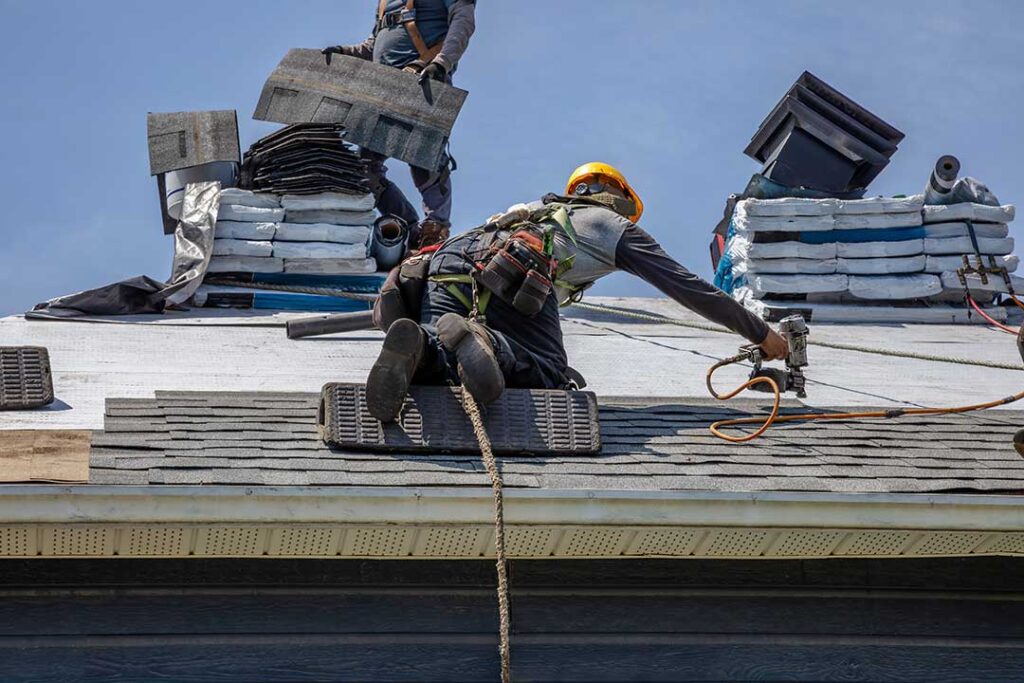
A roof lasts longer when water, ice, heat, debris, and poor ventilation are addressed before they become major problems. In Ithaca, NY, seasonal weather makes routine observation especially valuable because roofs may face heavy rain, freeze-thaw cycles, snow, wind, and shaded moisture conditions within the same year.
What shortens a roof’s life?
Most roofing damage develops gradually rather than from one dramatic storm. Repeated moisture exposure, blocked drainage, trapped heat, and delayed repairs can reduce the useful life of roofing materials.
Common causes of premature wear include:
- Clogged gutters and downspouts
- Leaves, twigs, and organic debris left on the roof
- Moss or algae holding moisture against shingles
- Damaged flashing around chimneys, vents, skylights, and wall intersections
- Poor attic ventilation
- Missing or lifted shingles after wind
- Ice buildup at roof edges
- Walking on the roof unnecessarily
- Improperly installed repairs or attachments
A roof does not need to look severely damaged for these conditions to matter. A small opening around flashing or a few missing shingles can allow water into sheathing, insulation, ceilings, and wall cavities.
How often should a roof be inspected?
A basic visual check from the ground is useful several times a year, with closer attention after severe weather. Many homeowners find it practical to look over the roof in spring and fall, then check again after strong wind, heavy rain, or significant snowfall.
Look for:
- Shingles that are curled, cracked, slipped, or missing
- Dark areas that may indicate moisture or uneven wear
- Sagging along the roofline
- Loose or bent metal flashing
- Granules collecting heavily in gutters
- Moss or plant growth
- Water stains on ceilings or upper walls
- Daylight visible through the attic roof deck
A ground-level inspection should not be treated as a substitute for a safe roof examination. Steep slopes, wet surfaces, snow, ice, and deteriorated materials create fall hazards. Climbing onto a roof without suitable equipment and experience can cause injury or additional damage.
Why do gutters help protect the roof?
Gutters protect more than siding and foundations. They also help move water away from roof edges, fascia boards, soffits, and areas where water can work beneath roofing materials.
Gutters should be cleared when leaves and other debris begin restricting flow. In a tree-lined neighborhood, this may occur more than once during autumn. Downspouts should discharge water far enough away from the foundation to prevent repeated splashback and soil saturation.
After cleaning, check whether water flows freely and whether the gutter slopes consistently toward its outlets. Sagging sections can leave standing water that adds weight and encourages corrosion. Gutter guards may reduce maintenance, but they do not eliminate the need for inspection because small debris can still accumulate.
How can moss and shade affect a roof?
Moss is more than a cosmetic concern. It can retain moisture, lift the edges of shingles, and create conditions where water remains against roofing materials for long periods.
Heavy shade, north-facing slopes, nearby trees, and poor air movement can make moss more likely. Branches that touch or hang directly over the roof should be addressed because they can scrape shingles, drop debris, and reduce drying after rain.
Avoid pulling moss from shingles by hand or using a pressure washer. Aggressive removal can strip protective granules and damage the roofing surface. Treatments and cleaning methods should be compatible with the specific roofing material, and runoff should be managed carefully around gardens, pets, and household drainage.
What role does attic ventilation play?
A properly balanced attic ventilation system helps control heat and moisture beneath the roof. It does not make a roof maintenance-free, but it can reduce conditions that contribute to condensation, material deterioration, and uneven winter roof temperatures.
Warning signs of attic moisture or ventilation problems include:
- Damp insulation
- Frost on roof framing during cold weather
- Musty odors
- Rust around fasteners
- Peeling paint near upper ceilings
- Mold-like staining
- Excessive heat in the attic during summer
Ventilation works best when intake and exhaust openings are not blocked by insulation or improperly altered during renovations. Bathroom and kitchen exhaust fans should discharge outdoors rather than into the attic. Adding vents without considering the overall airflow pattern may not solve the problem and can sometimes reduce performance.
How should homeowners prepare for winter?
Winter preparation begins before the first major snowfall. Clear gutters, check visible flashing, and look for damaged shingles while surfaces are dry and accessible. Keep attic insulation from blocking intended ventilation paths.
Snow does not automatically require removal from every roof. Many roofs are designed to carry typical local snow loads, but unusually deep, wet, or unevenly distributed snow can increase stress. Snow drifting against higher roof sections, dormers, or additions deserves particular attention.
Ice dams form when heat escapes into the attic and melts snow on the upper roof. Water then refreezes near colder eaves and may back up beneath shingles. Removing snow from one small area or chopping ice with a tool can damage roofing and create a fall hazard. Repeated ice dams should prompt an evaluation of insulation, air sealing, ventilation, and drainage conditions.
Which roof repairs should not be delayed?
Some problems become much more expensive when ignored. Prompt attention is warranted for active leaks, exposed underlayment, missing sections of shingles, loose flashing, sagging roof areas, and water entering near chimneys or roof penetrations.
Inside the home, place a container under an active drip if safe, move belongings away from the area, and note when the leak appears. A leak that occurs only during wind-driven rain or snow may not leave a constant interior drip, but it still requires investigation.
Do not seal a roof leak with random household materials or rely on surface coatings as a permanent fix. Water may travel along rafters and sheathing, so the interior stain is not always directly below the entry point.
Can routine cleaning extend roof life?
Yes, but cleaning should be careful and limited to activities that do not harm the roofing system. Removing leaves from valleys, keeping gutters open, trimming contacting branches, and maintaining clear drainage can reduce moisture exposure.
Avoid:
- Pressure washing shingles
- Using harsh solvents
- Scraping granules from the surface
- Walking repeatedly across brittle or aging materials
- Attaching equipment without proper flashing
- Covering ventilation openings
- Applying unapproved coatings or sealants
A roof’s age, material, slope, and installation history all affect which maintenance methods are appropriate. Asphalt shingles, metal roofing, slate, and low-slope systems do not respond to cleaning and repair methods in the same way.
When is replacement more practical than continued repair?
Replacement becomes more likely when a roof has widespread wear, recurring leaks in multiple areas, extensive deck damage, persistent ventilation problems, or shingles that are near the end of their expected service period.
Age alone does not determine condition. A well-maintained roof may perform differently from one exposed to heavy shade, poor drainage, repeated storm damage, or inadequate installation. The most useful assessment considers both visible materials and the layers beneath them.
Keep records of repairs, leaks, cleanings, and storm events. This history helps reveal whether isolated maintenance is working or whether problems are becoming more frequent. For area households, consistent seasonal checks are usually more useful than waiting for a visible ceiling stain or a major winter leak.
