
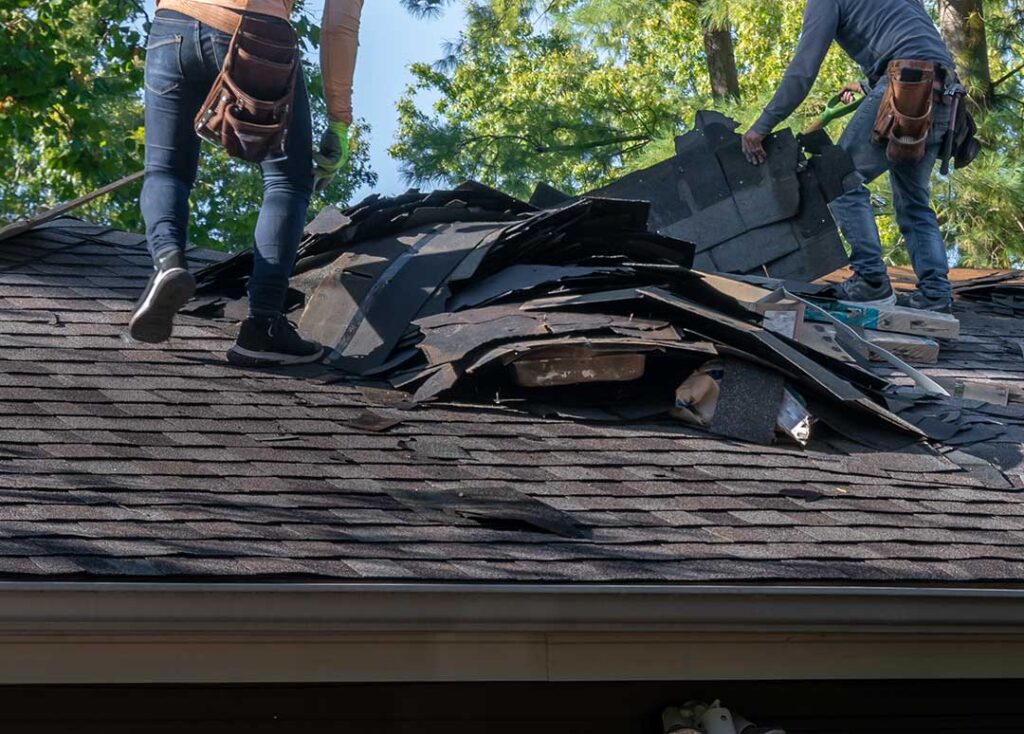
A roof’s shape affects how a building handles rain, snow, ice, ventilation, maintenance, usable space, and long-term repairs. For many homes in Ithaca, the practical choice is not simply whether a flat or sloped roof looks better, but which design works best with the building’s structure, drainage needs, and intended use.
What is the difference between a flat roof and a sloped roof?
A flat roof is not completely level. It usually has a slight pitch so water can move toward drains, scuppers, or roof edges. A sloped roof has a more noticeable angle, allowing water, snow, and debris to shed by gravity.
Flat roofs are common on additions, garages, older commercial-style buildings, porches, and modern homes. Sloped roofs are typical on detached houses because they provide attic space, shed precipitation efficiently, and accommodate familiar roofing materials such as asphalt shingles, metal panels, slate, and tile.
The right design depends on the building rather than on a universal rule. A flat roof may be entirely appropriate when it is properly designed and maintained, while a low-quality sloped roof can still develop leaks or structural problems.
Are sloped roofs better for Ithaca’s winter weather?
Generally, a well-designed sloped roof provides more natural assistance with rain and snow shedding. That can be useful in a climate where roofs must handle repeated cycles of snowfall, melting, refreezing, and heavy precipitation.
Slope alone does not prevent every winter problem. Snow can remain on a roof when temperatures stay low, and drifting can create uneven loads in valleys, behind higher roof sections, or near adjoining structures. Roofs must be designed for applicable structural loads, including snow loads required by New York State code. ([dos.ny.gov](https://dos.ny.gov/nys-residential-code-noa-7242025?utm_source=openai))
A sloped roof also needs properly detailed valleys, flashing, underlayment, ventilation, and eaves. If warm air escapes into a cold attic, melting and refreezing can contribute to ice dams along the eaves. Adequate insulation and air sealing are therefore as important as the roof covering itself.
When does a flat roof make sense?
A flat roof can be a practical choice when the building’s design calls for a clean roofline, a rooftop deck, mechanical equipment, or an efficient addition. It can also reduce the overall height of a structure and make certain floor plans easier to build.
Flat roofs are not inherently unreliable. Their performance depends heavily on drainage design and membrane installation. New York’s residential code requires roof drains at low points when a roof is not sloped to drain over its edges. Where parapets or raised edges could trap water, secondary emergency drains or scuppers are required. ([dos.ny.gov](https://dos.ny.gov/2024-residential-code-new-york-state-2024-rcnys?utm_source=openai))
For a flat roof, small drainage problems can become significant. Leaves, ice, or blocked drains may allow water to pond. Standing water can increase stress on the roof system, expose seams to prolonged moisture, and make leaks harder to trace.
A flat roof may be suitable when the owner is prepared to keep drains, scuppers, and roof surfaces clear. It is less forgiving of neglected maintenance than many steep-slope systems.
Which roof is easier to maintain?
Neither roof type is maintenance-free, but the tasks differ.
A sloped roof commonly requires attention to:
- Missing, cracked, or displaced roofing materials
- Damaged flashing around chimneys, walls, skylights, and vents
- Clogged gutters and downspouts
- Moss or organic debris in shaded areas
- Ice dams and heavy snow accumulation
- Loose or deteriorated soffit and fascia materials
A flat roof commonly requires attention to:
- Ponding water after storms
- Blocked drains and scuppers
- Open seams, punctures, and membrane shrinkage
- Deteriorated flashing at walls and curbs
- Damage from foot traffic or stored objects
- Snow and ice accumulation near drainage points
Inspection is safest from the ground unless the roof is specifically designed for access. Wet, icy, or snow-covered surfaces create a fall hazard, and snow removal can damage roof coverings if performed incorrectly.
Which roof lasts longer?
Roof life depends more on materials, installation quality, ventilation, drainage, exposure, and maintenance than on shape alone.
A sloped roof with asphalt shingles may perform well for many years, but its service life can be shortened by poor ventilation, repeated ice-dam damage, or flashing failures. Metal and other durable coverings may last longer, but they still require correct fastening and weatherproof detailing.
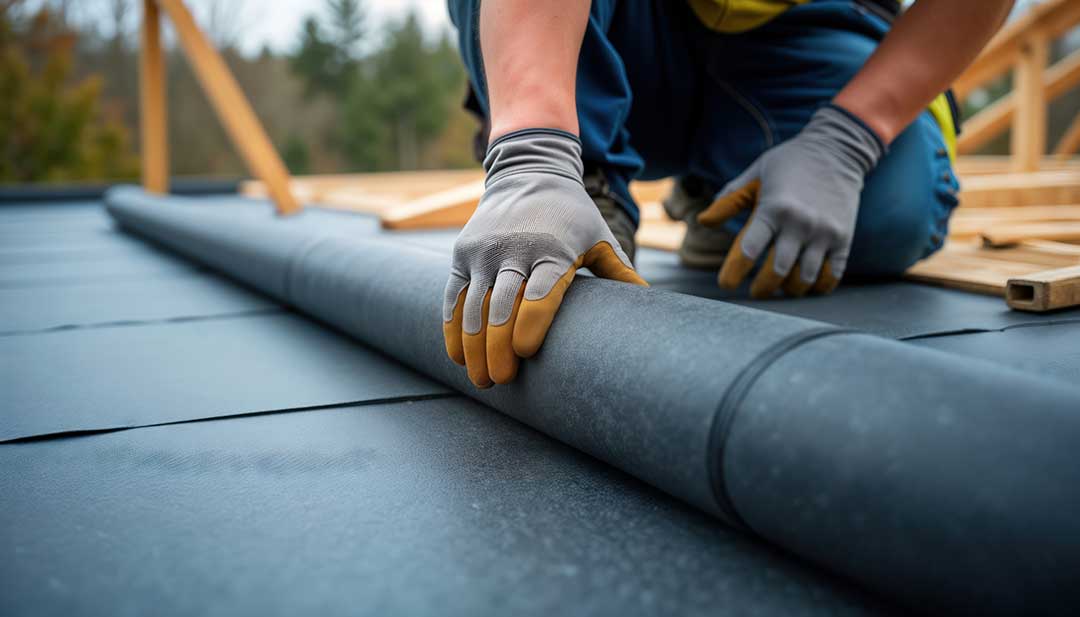
Flat roofs use membranes or built-up systems that can perform well when seams, edges, penetrations, and drainage are properly handled. Their service life may be reduced by standing water, ultraviolet exposure, mechanical damage, or repeated freeze-thaw movement.
The condition of the roof deck also matters. A roof covering can appear intact while moisture has weakened sheathing, framing, or insulation below. Unusual ceiling stains, musty odors, bubbling finishes, or recurring leaks deserve attention even when the roof surface looks acceptable.
How do the two designs affect energy efficiency?
Roof shape has some influence on energy use, but insulation and air sealing usually matter more.
A sloped roof may include an attic that provides space for insulation and ventilation. That arrangement can be effective when the attic floor is well air-sealed and insulated, and when soffit and ridge ventilation are correctly coordinated.
A flat roof often places insulation within the roof assembly. This can create a compact, efficient design, but moisture control becomes especially important. The assembly must be designed so interior air, vapor, and exterior water do not create condensation or trapped moisture.
For additions and renovations, the connection between the old and new roof is a frequent weak point. Differences in height, insulation, ventilation, and drainage should be resolved before construction rather than improvised during installation.
What should homeowners consider before changing roof shape?
Changing from a sloped roof to a flat roof, or the reverse, is more than a cosmetic alteration. It can affect framing, wall loads, drainage, insulation, attic ventilation, exterior appearance, and snow accumulation.
Before choosing a design, consider:
- Whether the existing walls and foundation can support the proposed structure
- How water will drain during heavy rain and winter thaw
- Where snow and ice may fall or accumulate
- Whether attic or ceiling insulation will be accessible
- How the new roof will connect to chimneys, walls, porches, and additions
- Whether permits or code review are required
- Whether the design complies with current state and local requirements
The City of Ithaca has provisions addressing snow and ice that may fall from roofs near sidewalks and public ways. New York State’s Uniform Code also governs many construction, alteration, repair, and structural requirements, with local enforcement procedures applying within the community. ([ecode360.com](https://ecode360.com/8395324?utm_source=openai))
Which option is right for you?
A sloped roof is often the more forgiving choice for a conventional house because it sheds water naturally and can provide attic space. It may be especially practical where winter precipitation, gutters, valleys, and ice management are already part of the building’s design.
A flat roof may be the better choice for a low-profile addition, a modern architectural plan, or a structure where usable rooftop space and compact design are priorities. Its success depends on precise drainage, durable waterproofing, and regular inspection.
The most reliable decision is based on the building’s structure, roof geometry, drainage plan, insulation strategy, and exposure—not on the label “flat” or “sloped.” In local homes, details such as roof intersections, shaded areas, gutters, snow storage, and freeze-thaw movement often determine performance more than the overall shape.
