
Are green roofs worth considering in Ithaca, NY?
Green roofs can be worthwhile when a building has a suitable roof structure, a manageable slope, and a clear reason to control stormwater, reduce heat gain, or add usable habitat. They are not automatically the most economical roofing choice for every home.
A green roof, also called a vegetated roof, places plants and engineered growing media above a waterproofing membrane and drainage system. The roof may support low-maintenance groundcover or, in more intensive designs, deeper soil and larger plants.
For many area households, the deciding issue is not whether green roofs are environmentally beneficial. They generally are. The more practical question is whether the building can safely support the system and whether the long-term benefits justify the added design, installation, inspection, and maintenance requirements.
What types of green roofs are available?
Most green roofs fall into two categories: extensive and intensive.
Extensive green roofs are lighter and shallower. They commonly use drought-tolerant plants such as sedums and other low-growing species. The growing medium may be only a few inches deep, which limits the plants that can survive but also reduces the overall load and maintenance burden.
Intensive green roofs use deeper soil and can support grasses, perennials, shrubs, paths, or small garden areas. They provide more visual and ecological value but require stronger structural support, more regular care, and better access for maintenance.
A third option is a semi-intensive system, which falls between the two. It may combine shallow planted areas with somewhat deeper sections around roof features or gathering spaces.
For a typical residential building, an extensive or semi-intensive design is more realistic than a rooftop garden. Even an extensive system, however, is not simply a layer of soil placed over shingles. It requires coordinated waterproofing, root protection, drainage, overflow control, edge detailing, and safe access.
What benefits can a green roof provide?
The most measurable benefit is stormwater management. Plants and growing media temporarily hold rain and slow the rate at which water reaches gutters, drains, and sewer systems. This can reduce peak runoff during moderate storms.
That function has local value because the region experiences rain, snow, freeze-thaw cycles, and occasional intense precipitation. A vegetated roof will not eliminate runoff, especially during prolonged rain or rapid snowmelt, but it can delay and reduce some of the water leaving the roof at once.
Other possible benefits include:
- Lower roof-surface temperatures during sunny weather
- Reduced heat transfer into the building during summer
- Protection of the waterproofing membrane from ultraviolet exposure and temperature swings
- Habitat and food sources for some insects and birds
- Reduced glare and improved views from nearby buildings
- A softer appearance for buildings with visible flat roofs
A green roof may also help moderate indoor temperatures, but energy savings depend heavily on insulation, air sealing, window area, building orientation, and mechanical equipment. It should not be treated as a substitute for a properly insulated roof assembly.
Can green roofs handle Ithaca’s snow and cold?
They can, but cold-weather performance depends on design rather than plant selection alone. Snow can insulate dormant plants, while repeated freezing and thawing can stress drainage layers, membranes, edges, and flashing.
The roof must be designed for the combined weight of the structure, saturated growing media, retained water, and snow. A system that seems light when dry can become substantially heavier after rainfall or snowmelt.
Drainage is especially important. Ice, leaves, roots, or compacted growing media must not block roof drains and overflow paths. The design should allow water to leave safely if the planted layer becomes saturated.
Plants also need time to establish. During the first growing seasons, watering and weed control may be more demanding than many property owners expect. Extended summer dry periods can create stress even in a region with regular rainfall.
What buildings are good candidates?
Green roofs are generally easier to evaluate on buildings with low-slope or nearly flat roofs. A steeply pitched roof may require additional stabilization measures, and many conventional residential roof designs are not suitable without significant reconstruction.
A good candidate usually has:
- A roof structure that can support the added dead load
- Reliable, modern waterproofing
- Adequate drainage and overflow provisions
- Safe access for inspection and maintenance
- Enough open roof area to avoid excessive conflicts with vents, skylights, chimneys, and equipment
- A long enough expected service life to justify the investment
The condition of the existing roof matters. Installing a green roof over an aging or leaking assembly can make future repairs more difficult and may conceal problems. In many cases, the most logical timing is during new construction or a full roof replacement, when the waterproofing and structural systems can be designed together.
A structural analysis is not optional. The load capacity cannot be judged accurately by appearance or by comparing the roof to a neighboring building.
What are the disadvantages?
The main disadvantages are higher upfront cost, added weight, more complicated detailing, and ongoing maintenance.
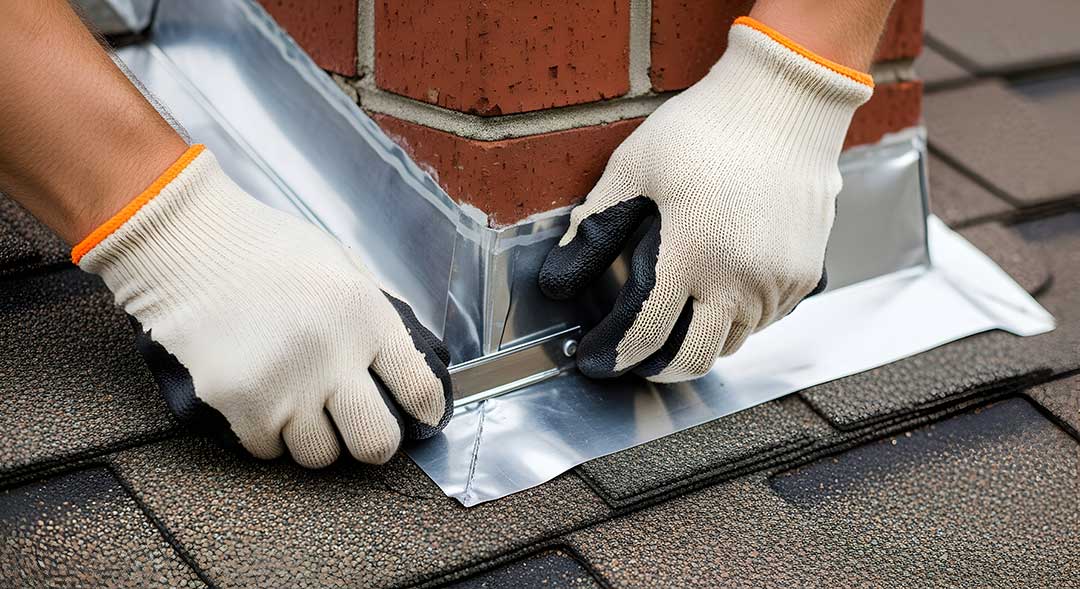
Green roofs have more components that can fail or require attention than a conventional roof. Drains, inspection areas, flashing, plant coverage, irrigation needs, and edge conditions all require periodic review. Leaks may be harder to locate because water can move through several layers before appearing inside the building.
Maintenance does not usually mean mowing the roof. It may include removing unwanted growth, checking drainage paths, replacing dead plants, inspecting membrane edges, maintaining gravel or firebreak areas, and confirming that rooftop equipment remains accessible.
Another limitation is that green roofs do not perform equally well on every building. A small, steeply pitched house may need extensive structural changes, while a low-slope addition, garage, apartment building, or institutional structure may offer more practical possibilities.
Do green roofs reduce heating and cooling bills?
Sometimes, but savings are often overstated. Vegetation shades the roof surface and reduces heat entering the building during warm weather. The growing medium can also add thermal resistance and reduce temperature fluctuations.
In cold weather, however, the primary thermal protection should come from the roof insulation and air barrier. A green roof does not replace those systems. If the roof is poorly insulated, improving the building envelope may produce more predictable energy benefits for less complexity.
The strongest financial case often combines several benefits: stormwater control, membrane protection, reduced summer heat gain, and a longer planning horizon. If the only goal is lowering utility bills, other improvements may deserve evaluation first.
What should property owners ask before choosing one?
Before considering a vegetated roof, owners should be able to answer several practical questions:
- Is the roof flat or low-slope enough for the proposed system?
- What is the added weight when the system is fully saturated?
- Can the structure safely support that load along with snow?
- Is the existing membrane new enough and suitable for the installation?
- How will drains, vents, skylights, and roof edges remain accessible?
- Who will inspect the roof after severe storms or long dry periods?
- What maintenance is expected during the first two years?
- How will leaks be detected and repaired?
- Are permits, code requirements, or stormwater-management rules triggered by the project?
For larger buildings or projects involving substantial structural changes, qualified design and engineering review is necessary for safety and code compliance. That is particularly true where public access, rooftop equipment, or deep planting areas are involved.
Are there simpler alternatives?
Yes. A green roof is only one way to manage roof runoff and improve environmental performance. Depending on the property, alternatives may include rain gardens, planted swales, rain barrels, downspout disconnection, permeable surfaces, added roof insulation, or a smaller vegetated section rather than a full-roof installation.
These options may provide some of the same stormwater benefits with less structural weight and easier maintenance. For many homes, improving drainage around the foundation and directing downspouts safely may be more practical than adding a planted roof.
A green roof is most likely to be worth it when the building is structurally suitable, the roof is being designed or replaced, stormwater control is a meaningful priority, and long-term maintenance is accepted as part of ownership. It is less likely to make sense as a decorative upgrade placed on an older roof without a careful assessment of structure, waterproofing, drainage, and winter conditions.
