

Roof penetrations are the points where plumbing vents, chimneys, flues, electrical conduits, satellite mounts, skylights, and other components pass through the roof covering. They are among the most leak-prone areas of a roof because they interrupt the continuous surface that normally sheds rain and melting snow.
Proper sealing depends less on applying a large amount of caulk and more on using correctly layered flashing, compatible materials, sound installation methods, and regular inspection. In Ithaca, NY, these details matter because roofs must handle rain, freeze-thaw cycles, snow accumulation, wind, and occasional ice buildup.
What makes a roof penetration watertight?
A watertight penetration uses flashing to direct water around the opening, while roofing underlayment and sealants provide secondary protection. Sealant alone is not a substitute for flashing.
A reliable installation usually includes:
- A properly sized flashing boot, curb, collar, or metal flashing
- Roofing underlayment integrated around the penetration
- Shingles, panels, or other roof coverings installed in the correct sequence
- Fasteners placed where they will remain protected from water
- Sealant used only where the design calls for it
- Materials that are compatible with the roof covering and the penetrating component
Water should be directed around the penetration and back onto the roof surface, not trapped behind it. The upper side of the flashing must be integrated with the upslope roofing layers, while the lower side should allow water to drain freely.
Which roof penetrations commonly leak?
Plumbing vent pipes are frequent trouble spots. Their rubber or elastomeric flashing boots can crack, shrink, split, or pull away after years of sun exposure and temperature changes. A boot may appear intact from the ground while leaking around the pipe or at the base.
Other common sources include:
- Chimneys and masonry flues
- Bath and kitchen exhaust vents
- Furnace and water-heater flues
- Skylights and roof windows
- Electrical masts and conduit
- Antenna or satellite mounts
- Solar equipment attachments
- Roof-mounted HVAC components
- Dormers, curbs, and large rooftop openings
Large penetrations deserve special attention. A chimney or wide curb interrupts more of the roof’s drainage path than a small pipe. On the upslope side, a properly designed cricket or saddle may be needed to divide water and snow around the obstruction.
How should a plumbing vent pipe be sealed?
A plumbing vent pipe should be sealed with an approved roof flashing designed for that pipe size and roof type. The flashing boot fits around the pipe, while its base is installed beneath some roofing courses and over others so water flows across it.
For an asphalt-shingle roof, the usual sequence is:
1. Remove enough surrounding shingles to expose the roof deck and existing flashing.
2. Inspect the deck and underlayment for rot, staining, or softened wood.
3. Slide the upper portion of the new flashing beneath the upslope shingles or underlayment as required.
4. Place the lower portion over the downslope shingles so water can drain onto the roof.
5. Fasten the flashing using the specified fasteners and protected fastening locations.
6. Replace or cut shingles so they lie flat around the flashing.
7. Apply compatible sealant only at designated joints or exposed fasteners.
The pipe itself must remain open. Sealant, roofing cement, insulation, or debris should never be pushed into a plumbing vent because the pipe needs to move air through the drainage system.
Is roofing cement enough to stop a leak?
Usually, no. Roofing cement can provide a temporary repair in limited circumstances, but it does not correct a missing, damaged, or incorrectly layered flashing system.
Heavy applications of cement often crack, separate, or conceal the actual problem. They can also make a later repair more difficult. A bead of sealant may be useful around a flashing collar, exposed fastener, or small joint, but it should not be used to create a raised dam around a penetration.
If a roof boot is split or the flashing is installed on top of all surrounding shingles, replacing the sealant will not restore the intended drainage path. The flashing or surrounding roof materials need to be corrected.
How do chimneys and wide penetrations need to be treated?
Chimneys and other wide penetrations normally require several flashing components rather than one piece of metal. These may include base flashing, step flashing, counterflashing, and an upslope cricket or saddle where the width and roof design call for one.
Masonry joints should not be relied upon as the primary roof seal. Water can enter at the intersection between masonry and roofing, especially if mortar joints are deteriorated or if counterflashing is missing.
Counterflashing should be secured into the masonry or an approved reglet, rather than simply sealed to the outside surface. The design must also allow the chimney and roof materials to move slightly with temperature changes without tearing the seal.
How do cold weather and snow affect roof penetrations?
Freeze-thaw cycling can enlarge small defects. Water enters a crack, freezes, expands, and gradually separates flashing, sealant, shingles, or masonry. Snow and ice can also remain around roof penetrations longer than rainwater, increasing the time available for water to find a weak point.
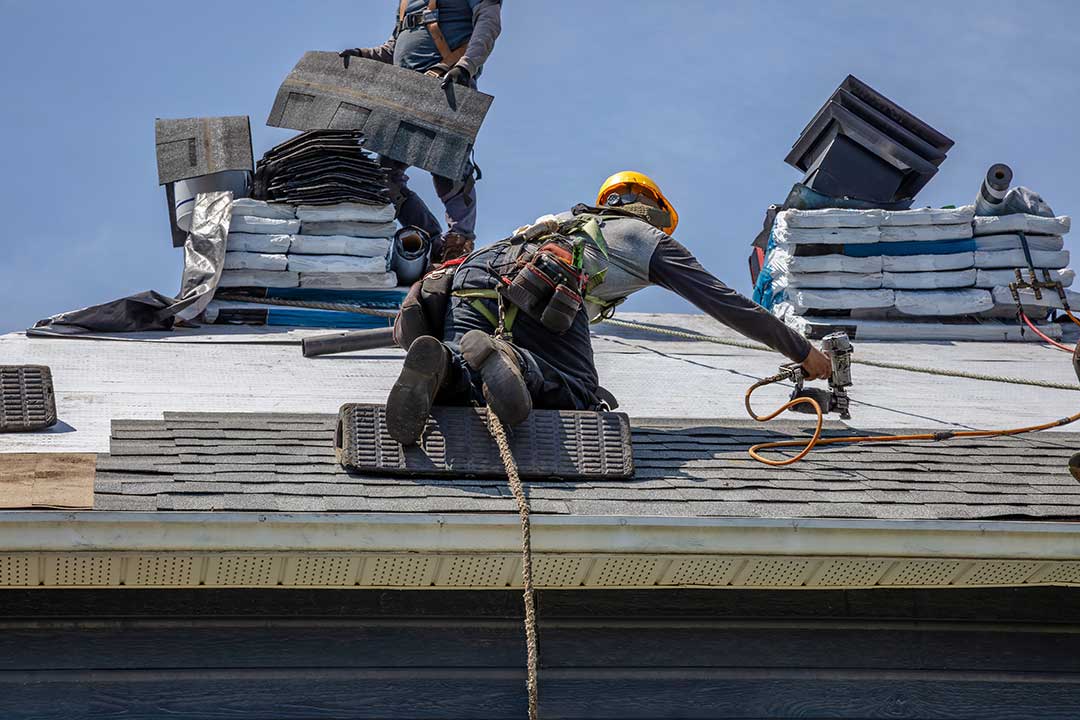
Local roofs may experience:
- Repeated freezing and thawing during shoulder seasons
- Snow sliding or accumulating around chimneys and curbs
- Ice forming at shaded roof sections
- Wind-driven rain beneath loose flashing edges
- Moisture damage hidden beneath older roofing layers
A roof should not be inspected by walking on icy, snow-covered, or steep surfaces. From the ground, binoculars can help identify lifted shingles, cracked boots, exposed fasteners, rusted metal, or dark staining. Attic inspection can reveal wet insulation, stained roof decking, mold-like growth, or daylight around a penetration.
What materials should not be mixed casually?
Sealants and flashing materials must be compatible. Some products can damage rubber components, soften certain plastics, stain roofing materials, or fail to adhere to wet or dusty surfaces.
Avoid assuming that any caulk labeled “roof sealant” is appropriate for every condition. The product instructions should identify suitable substrates, temperature limits, curing requirements, and exposure conditions. Sealant should be applied to clean, dry surfaces unless the product specifically allows otherwise.
Copper, galvanized steel, aluminum, rubber, plastic, asphalt-based materials, and synthetic membranes can react differently over time. Fasteners should also be corrosion-resistant and appropriate for the roof assembly.
When does a roof penetration require more than a patch?
A more extensive repair may be necessary when:
- The roof deck is soft, swollen, or rotted
- Water damage extends into rafters or ceiling framing
- The flashing is buried, missing, rusted through, or badly bent
- Multiple layers of roofing conceal the flashing
- A chimney has cracked masonry or deteriorated mortar
- A vent pipe or flue has been moved without replacing its flashing
- The penetration is associated with a furnace, boiler, gas appliance, or other combustion equipment
Flues and combustion vents also involve fire-clearance and appliance-safety requirements. Their roof connections should follow the applicable equipment instructions and New York State code requirements, not just general roofing practices.
How often should roof penetrations be checked?
Inspect penetrations at least twice a year, ideally in spring and fall, and after major wind or snow events. Look for cracked rubber, displaced flashing, loose collars, missing shingles, rust, exposed fasteners, and interior staining.
A small ceiling mark does not always appear directly below the penetration. Water can travel along rafters, roof decking, insulation, or framing before becoming visible. Finding the leak source may therefore require checking the entire upslope drainage path rather than sealing the first stained area indoors.
For residents maintaining older housing, keeping a simple record of inspection dates, roof repairs, and recurring stains can help identify whether a problem is new, seasonal, or gradually worsening.
