
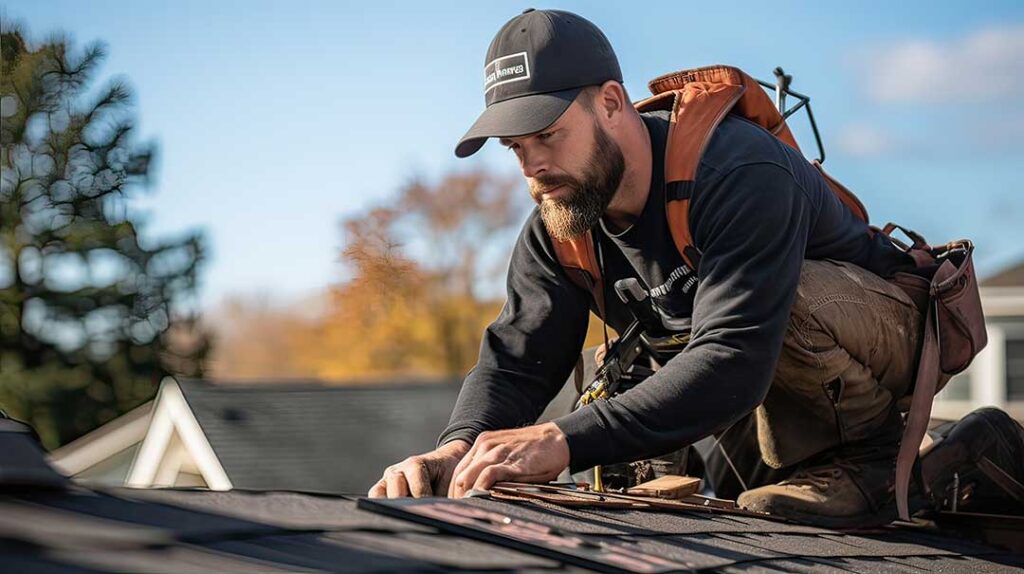
What is the safest way to hang lights along a roof?
The safest approach is to decorate from the ground or from a properly positioned ladder, use lights rated for outdoor exposure, and attach them with temporary clips rather than nails, staples, or screws. Avoid walking on the roof unless the surface is specifically designed for safe access and conditions are completely dry.
Roofline lights are usually installed along gutters, fascia boards, eaves, porch edges, or other trim. The goal is to support the light string without puncturing roofing materials, blocking drainage, creating a trip hazard, or placing electrical connections where snow and water can collect.
In Ithaca, winter conditions can change quickly. Snow, freezing rain, damp leaves, and frost can make a roof or ladder unsafe even when the weather appears calm. Plan the installation during a dry period before winter weather arrives.
Which parts of the roof can safely hold light clips?
Light clips should generally attach to sturdy, accessible trim or gutter edges rather than the roof covering itself. The exact clip style should match the surface.
Common attachment points include:
- Gutter lips designed to accept temporary clips
- Fascia boards below the roof edge
- Eave trim or porch trim
- Railing edges around covered porches
- Shingle edges only when the clip is specifically made for that purpose and does not lift, bend, or damage the shingles
Do not drive nails, staples, or screws through shingles, flashing, underlayment, or drip edges. Even a small puncture can allow water to reach roof decking or wall framing. Staples can also cut through electrical insulation, creating an electrical shock or fire risk.
Avoid hanging lights from loose gutters, downspouts, chimney caps, roof vents, plumbing vents, or satellite equipment. These components are not intended to support decorative loads, and movement from wind or frozen precipitation may loosen them.
Can lights be hung without getting on the roof?
Yes. Many one-story rooflines can be decorated from the ground with a light-hanging pole or from a ladder placed on stable, level ground. Staying off the roof reduces the chance of falls and limits wear to shingles.
If a ladder is necessary:
- Place it on firm, level ground free of ice, snow, mud, and loose gravel.
- Keep both side rails supported evenly.
- Maintain three points of contact while climbing.
- Face the ladder when moving up or down.
- Do not stand on the top step or the highest rungs marked as unsafe.
- Keep your belt, pockets, and hands free of heavy tools.
- Have another adult stabilize the ladder when practical.
- Move the ladder instead of leaning sideways to reach farther.
A ladder should never be placed on top of snow, a box, a chair, or another improvised platform. Near sloped yards, retaining walls, or steep drives, the ground may look stable while still allowing the ladder to shift.
If the installation requires stepping onto a steep roof, crossing icy areas, reaching over the roof edge, or working near overhead utility wires, stop rather than improvising. Those conditions create hazards that ordinary household precautions may not control.
What kind of lights and cords are suitable outdoors?
Use light strings and extension cords specifically marked for outdoor use. Indoor-only products may not have the insulation, weather resistance, or connection protection needed for exposure to rain, melting snow, and temperature changes.
Before installation, inspect every string for:
- Cracked, frayed, pinched, or flattened insulation
- Loose sockets or missing bulbs
- Bent or damaged plugs
- Burn marks, discoloration, or melted plastic
- Exposed wire near the plug or light sockets
- Missing strain relief where the cord enters the plug or controller
Discard damaged light strings instead of covering defects with electrical tape. Tape may hide a problem without restoring the original weather protection or mechanical strength.
Follow the manufacturer’s limits for connecting multiple light strings. Overloading a receptacle or connecting too many strings end to end can overheat wiring. Outdoor connections should be plugged into a ground-fault circuit interrupter, commonly called a GFCI. A GFCI can shut off power quickly if electricity begins flowing through an unintended path, such as wet ground or a person.
Keep plugs, adapters, timers, and connection points elevated and protected from puddles, drifting snow, and areas where roof runoff falls. Do not bury electrical connections under snow or place them inside a plastic bag that can trap moisture.
How should lights be attached around gutters and shingles?
Use lightweight, removable clips intended for outdoor decorative lighting. Space them closely enough to prevent sagging, but do not pull the string tight. A light string under tension can stress sockets, pull against the gutter, or break when wind and ice add weight.
Allow the cord to follow the roofline without crossing sharp metal edges. If the cord must pass around a corner, use a clip or smooth trim point rather than bending it sharply.
Do not use light strings to support garlands, heavy ornaments, extension cords, or other decorations. Added weight can pull on gutters and fascia. In areas that receive lake-effect snow, freezing rain, or strong winter winds, simple and lightweight decorations place less stress on roof edges.
Never block:

- Gutter outlets
- Downspouts
- Roof valleys
- Scuppers or drainage openings
- Attic ventilation openings
- Chimney and plumbing vent clearances
Blocked drainage can contribute to ice buildup, overflowing gutters, and water entering beneath roof edges.
What weather conditions should be avoided?
Do not install or remove roofline lights during rain, snow, freezing rain, high winds, or icy conditions. Wet surfaces increase the chance of slipping, while cold weather can make cords stiff and brittle.
Wait until the roof edge, ladder location, and walking surface are dry. If snow has accumulated on the roof, do not climb onto it to install lights. Snow can conceal fragile skylights, uneven surfaces, ice patches, and areas weakened by moisture.
After installation, check the lights following the first strong wind or heavy snowfall. Look from the ground for sagging strings, detached clips, cords hanging toward walkways, and decorations resting on gutters. Do not climb onto an icy roof to make repairs.
Heavy snow and ice should not be allowed to accumulate on decorative lights. The added weight can pull on roof trim, gutters, and electrical connections. If a string becomes buried or frozen in place, disconnect power before attempting to remove it, and wait for safer conditions.
What common mistakes should homeowners avoid?
Several shortcuts create unnecessary damage or risk:
- Using a staple gun to attach lights to shingles or fascia
- Running extension cords through windows or doors that pinch the cord
- Connecting indoor-rated cords outside
- Plugging outdoor lights into an unprotected receptacle
- Leaving cords across walkways without protection
- Attaching lights to utility lines, poles, or service equipment
- Working from a ladder during wind or freezing weather
- Leaving lights energized when cords or connections are covered by water or snow
- Assuming LED lights are automatically safe even when the wiring is damaged
- Removing lights by pulling on the cord instead of releasing each clip
A timer can reduce the amount of time lights remain energized, but it does not replace inspection, weather protection, or GFCI protection.
When should roofline lighting be left to someone with specialized equipment?
A safer choice is warranted when the roof is steep, unusually high, fragile, wet, snow-covered, or difficult to reach without walking on the roofing surface. Extra caution is also needed around overhead electrical conductors, solar equipment, skylights, chimneys, loose gutters, and signs of roof damage.
If the roof edge is already sagging, leaking, or missing trim, adding decorations may worsen the problem. The lighting should wait until the underlying condition is addressed. In many cases, ground-level decorations around porches, windows, shrubs, or lower trim provide a safer alternative without placing people or the roof system under unnecessary stress.
