
What does a cool roof rating measure?
A cool roof rating describes how effectively a roofing surface reflects sunlight and releases absorbed heat. The rating is based mainly on two properties: solar reflectance and thermal emittance.
A roof can look light-colored and still perform differently from another light-colored roof. Similarly, some darker roofing products use reflective pigments that make them cooler than their appearance suggests. Ratings provide a more useful comparison than color alone.
Cool roof performance is most relevant during sunny weather, especially when the roof receives direct afternoon sun. It does not describe every aspect of roofing quality, such as resistance to wind, ice, hail, leaks, algae, or snow loads.
What are solar reflectance and thermal emittance?
Solar reflectance is the percentage of sunlight a roof reflects rather than absorbs. It is expressed as a decimal between 0 and 1 or as a percentage.
- A reflectance of 0.20 means the surface reflects about 20 percent of incoming sunlight.
- A reflectance of 0.60 means it reflects about 60 percent.
- Higher reflectance generally means less solar heat is absorbed.
Thermal emittance measures how efficiently the surface releases heat as infrared radiation. It is also expressed on a scale from 0 to 1.
A surface with high solar reflectance and high thermal emittance usually stays cooler in the sun. A bare, shiny metal surface may reflect a substantial amount of sunlight but have lower thermal emittance, meaning it may not release absorbed heat as efficiently as a coated or granular surface.
The two numbers work together. Looking at only one of them can give an incomplete picture.
What is the Solar Reflectance Index?
The Solar Reflectance Index, or SRI, combines solar reflectance and thermal emittance into one comparison number. Higher SRI values generally indicate a cooler roof surface under standardized conditions.
SRI is useful when comparing roofing products with different combinations of reflectance and emittance. For example, one material may have very high reflectance and moderate emittance, while another may have somewhat lower reflectance but very high emittance. Their combined SRI values can help show how their overall surface behavior compares.
SRI should not be treated as a prediction of a home’s indoor temperature or annual energy savings. Actual results also depend on:
- Roof pitch and orientation
- Attic insulation and ventilation
- Roof color and surrounding shade
- Window exposure
- Air-conditioning use
- Roof age and surface condition
- Indoor temperature preferences
- Local weather patterns
Where can residents find a roof’s rating?
Roofing product information may list initial and aged values for solar reflectance, thermal emittance, and SRI. The distinction matters because roof surfaces can change after exposure to sunlight, dust, pollen, moisture, and weather.
An initial rating describes a new, clean product. An aged rating estimates performance after weathering. For long-term comparisons, aged values are usually more informative than new-product values.
Product labels or technical information may also identify whether a roof is intended for a steep-slope or low-slope application. These categories matter because low-slope roofs are exposed to water for longer periods and are commonly evaluated under different performance requirements.
A steep-slope residential roof, such as a typical pitched roof, should not be compared directly with a low-slope membrane roof without checking the applicable rating category.
Does a cool roof make sense in Ithaca?
A reflective roof can reduce heat entering a building during sunny summer conditions, but the benefit in Ithaca is more balanced than it would be in a hot climate with long air-conditioning seasons.
Local homes experience cold winters, regular freeze-thaw cycles, snow, cloud cover, and a substantial heating season. A highly reflective roof may also reflect some winter sunlight that otherwise would have warmed the roof surface. That possible winter heating penalty should be considered alongside summer cooling benefits.
For many households, the largest energy improvements may come from adequate attic insulation, air sealing, controlled ventilation, and efficient heating equipment. A cool roof can contribute to summer comfort, but it does not replace those measures.
The benefit may be more noticeable in:
- Homes with low attic insulation
- Upper-floor rooms that become uncomfortably warm
- Buildings without central air conditioning
- Roofs with strong southern or western exposure
- Dark roofs with little shade
- Homes with occupied attic or finished upper-floor space
Shade from mature trees can also reduce roof temperatures, although branches, leaves, and moisture can create maintenance concerns that should be considered separately.
Does roof color determine whether a roof is cool?
No. Color is a visual clue, not a complete rating.
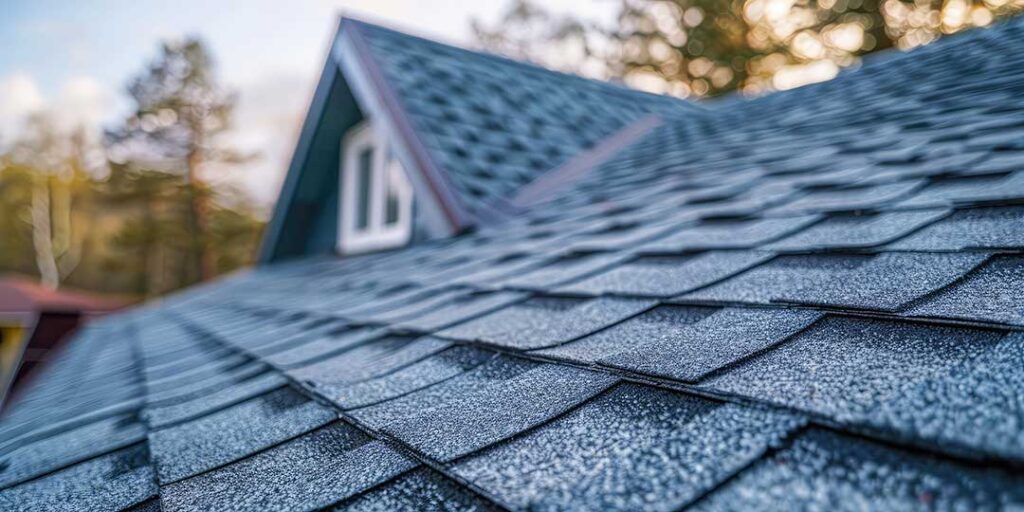
Traditional dark asphalt shingles often absorb more solar energy than light-colored materials. However, modern roofing products can use reflective granules or pigments that improve solar reflectance without producing a bright white appearance.
A medium-tone or darker product may have better performance than expected, while a pale product may not have especially high reflectance if its surface is designed primarily for appearance. The technical rating is more reliable than the name of a color.
Are cool roof ratings the same as energy-efficiency ratings?
No. A cool roof rating describes the roof surface’s response to sunlight. It does not directly rate the entire roof assembly or the building’s energy efficiency.
A roof may have strong reflective properties but still allow significant heat transfer if the attic lacks insulation or has air leakage. Conversely, a darker roof over a well-insulated, carefully air-sealed attic may perform well from an overall building-energy perspective.
Roofing decisions should therefore consider both surface performance and the complete roof system, including:
- Deck condition
- Underlayment
- Flashing
- Insulation
- Ventilation
- Drainage
- Ice and water exposure
- Snow and wind conditions
- Expected service life
Can a cool roof help with snow and ice?
Cool roof ratings are not snow-management ratings. They do not indicate whether a roof will prevent ice dams, shed snow safely, or resist winter damage.
In Ithaca, ice dams are influenced more by attic heat loss, roof geometry, insulation levels, ventilation, snow cover, and outdoor temperature changes. A reflective surface may affect how quickly snow melts in direct sun, but it does not correct the underlying causes of uneven roof temperatures.
Snow retention, drainage, flashing, and attic detailing require separate evaluation. A roof should not be selected solely because it has a high SRI.
What should be compared before choosing a roofing material?
A practical comparison starts with the rating information but does not end there. Review the product’s initial and aged reflectance, thermal emittance, and SRI values for the correct roof-slope category.
Also consider:
- Whether the rating applies to the exact color and product line
- How the surface may weather over time
- Whether the roof is asphalt, metal, membrane, tile, or another material
- Expected performance during snow, ice, wind, and freeze-thaw cycles
- Compatibility with the existing roof assembly
- Attic insulation and ventilation conditions
- Appearance, maintenance, and service-life expectations
The most suitable roofing choice for a local home is not automatically the product with the highest cool roof rating. In a four-season climate, reflective performance is one factor among several, and the roof must still be suited to moisture, winter weather, drainage, and the building’s overall design.
