
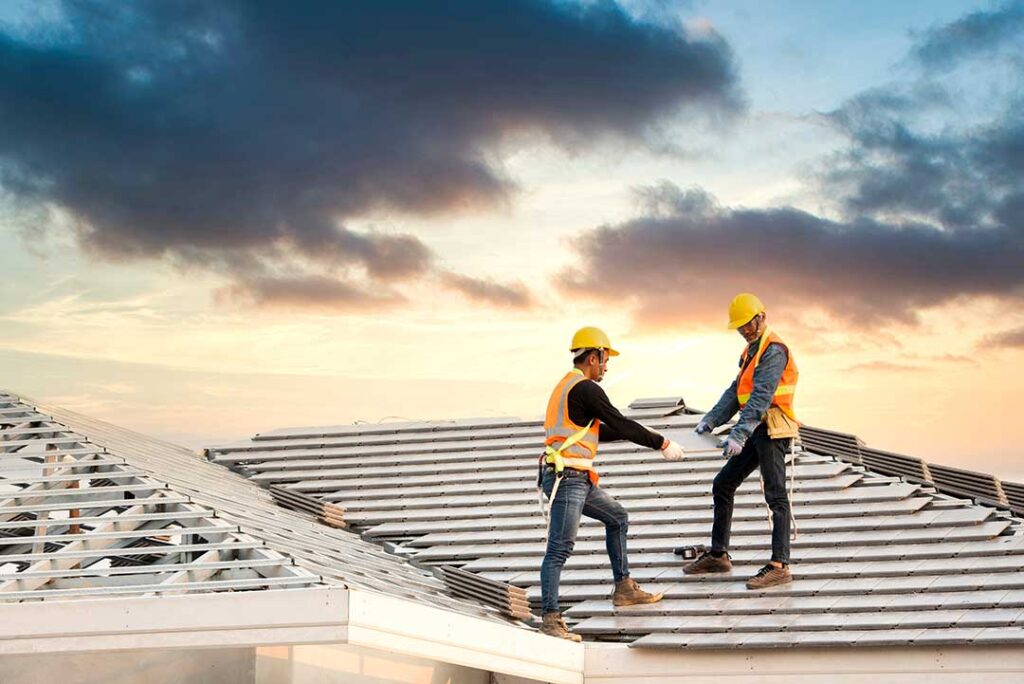
What should be done first after roof damage?
The first priority is protecting people, not stopping every leak immediately. After a tree impact, wind event, heavy snowfall, or sudden ceiling leak, move away from visibly sagging areas and avoid entering rooms where water is near light fixtures, outlets, or electrical equipment.
In Ithaca, winter weather can combine snow, freezing rain, strong wind, and rapid temperature changes. A roof problem that appears minor from the ground may involve weakened framing, hidden water damage, or unstable ice.
Start with these steps:
- Keep children and pets away from the affected area.
- Place containers under active drips if the floor can be reached safely.
- Move furniture, electronics, and other valuables away from water.
- Take photographs from the ground or from a safe interior location.
- If water is near electrical equipment, shut off power to the affected area only if the electrical panel can be reached without standing in water.
- Leave the home if there is major structural movement, a strong gas odor, smoke, fire, or immediate danger.
A ceiling stain does not always identify the location of the roof opening. Water can travel along rafters, insulation, wiring, and ceiling materials before appearing indoors.
Which roof problems qualify as emergencies?
A roof repair is generally urgent when delay could threaten safety or cause rapidly increasing damage. Active water entry is more serious when it is spreading, reaching electrical systems, or affecting ceilings that are bulging or sagging.
Common emergency conditions include:
- A large section of shingles, metal roofing, or membrane blown away
- A tree limb or other heavy object penetrating the roof
- A ceiling that is sagging under trapped water
- Water entering around light fixtures, outlets, or electrical panels
- Roof framing that appears bent, cracked, or displaced
- Significant ice or snow accumulation accompanied by cracking sounds or visible structural strain
- Flashing pulled loose around a chimney, skylight, wall, or roof edge
- A failed roof drain or blocked drainage area causing standing water
- Wind-driven rain entering through an exposed roof section
A small isolated leak may not require the same response as a structural failure, but it still deserves prompt attention. Water can damage insulation, wood sheathing, plaster, drywall, and interior finishes even when the drip seems slow.
Is it safe to climb onto the roof during an emergency?
Usually, no. Wet roofing, ice, steep slopes, loose materials, and hidden structural damage make emergency roof access especially dangerous. Snow can conceal holes, skylights, weak decking, and damaged edges.
Residents should avoid:
- Walking on icy or snow-covered roof surfaces
- Using ladders during high winds or while carrying tools and materials
- Removing large areas of snow from a roof without proper equipment and training
- Pulling away branches that are resting on damaged roofing
- Cutting into a bulging ceiling without understanding where water and electrical wiring may be located
- Using a chainsaw near a roof edge or unstable tree limb
If a temporary covering is necessary, it should be installed only from a secure location and only when conditions are safe. A tarp that is loosely placed, poorly anchored, or attached by walking on damaged roofing can create additional hazards.
How can a leak be contained from inside the home?
Interior containment can reduce damage while the exterior problem remains unresolved. The goal is to control water without placing anyone beneath an unstable ceiling.
For a small, accessible leak:
1. Place a bucket or plastic container beneath the drip.
2. Put a board across the container if water is splashing.
3. Cover nearby flooring and furnishings with plastic sheeting.
4. Remove wet belongings from the area.
5. Record when the leak began and whether it changes during rainfall, thawing, or wind.
6. Check nearby rooms, closets, and attic areas for additional moisture.
A bulging ceiling may contain a substantial amount of water. Do not stand directly underneath it. If the ceiling begins to crack, sag quickly, or release water in a large volume, clear the room and treat the situation as a structural safety concern.
What should homeowners do about snow and ice?
Snow and ice require caution because the roof may be carrying a heavier load than usual, while melting and refreezing can redirect water into concealed areas. Ice dams often form when heat escapes into a cold attic, warming portions of the roof and causing snow to melt. The water can then refreeze near colder roof edges and back up beneath roofing materials.
Do not chip away ice with a hammer or shovel. This can damage shingles, flashing, gutters, and the roof surface. Pouring hot water on an ice dam may create sudden runoff, refreezing, or interior water entry.
Watch for warning signs such as:
- New cracks in ceilings or walls
- Doors that suddenly stick
- Roof lines that look uneven from the ground
- Large areas of water staining
- Gutters pulling away from the fascia
- Unusual creaking or popping sounds
- Snow sliding unexpectedly from roof edges
Keep people away from areas where falling snow or ice could land. In dense neighborhoods and properties with narrow walkways, roof runoff and falling ice can create hazards near entrances, parked vehicles, and pedestrian paths.
How should emergency roof damage be documented?
Clear documentation helps distinguish storm damage from older deterioration and supports insurance or repair decisions. Take photographs before moving damaged materials whenever doing so is safe.
Useful records include:
- Wide photographs showing the roof area and surrounding property
- Close photographs of missing shingles, punctures, branches, or displaced flashing
- Interior photographs of stains, wet insulation, damaged ceilings, and flooring
- The date and approximate time the damage was discovered
- Weather conditions at the time, such as high wind, hail, heavy rain, or snow
- A written list of damaged household contents
- Receipts for reasonable temporary measures, such as protective materials or emergency water cleanup
Avoid throwing away damaged roofing materials until they have been documented. Do not authorize permanent changes before understanding whether an inspection, insurance review, or permit requirement applies.
Are permits required for emergency roof repairs in Ithaca?
Permit requirements depend on the type and extent of the work. In Ithaca, roofing work can fall under building permit requirements, particularly when repairs involve alterations, structural components, or more than simple replacement with like materials.
Temporary actions that prevent immediate interior damage may be treated differently from permanent reconstruction, but residents should not assume that every emergency repair is exempt. Historic properties, designated districts, structural repairs, electrical work, and changes to roof design may involve additional requirements.
Before permanent work begins, confirm the applicable requirements through the local building department or the property owner’s designated representative. For rental housing, tenants should promptly notify the landlord or property manager and keep a written record of the report.
What should be checked after the emergency repair?
A temporary patch is not the same as a completed repair. After the weather improves, inspect the attic and interior spaces for damp insulation, mold growth, stained framing, peeling paint, or lingering odors. Water damage may continue even after the visible drip stops.
The roof should also be checked for related problems, including loosened flashing, damaged underlayment, blocked drainage, compromised gutters, and exposed roof decking. In Ithaca’s freeze-thaw climate, materials that appear dry after a warm afternoon may become vulnerable again when temperatures drop.
Emergency repairs should restore weather protection while also identifying the cause of the failure. Without that follow-up, a roof may continue leaking during the next period of rain, melting snow, or strong wind.
