
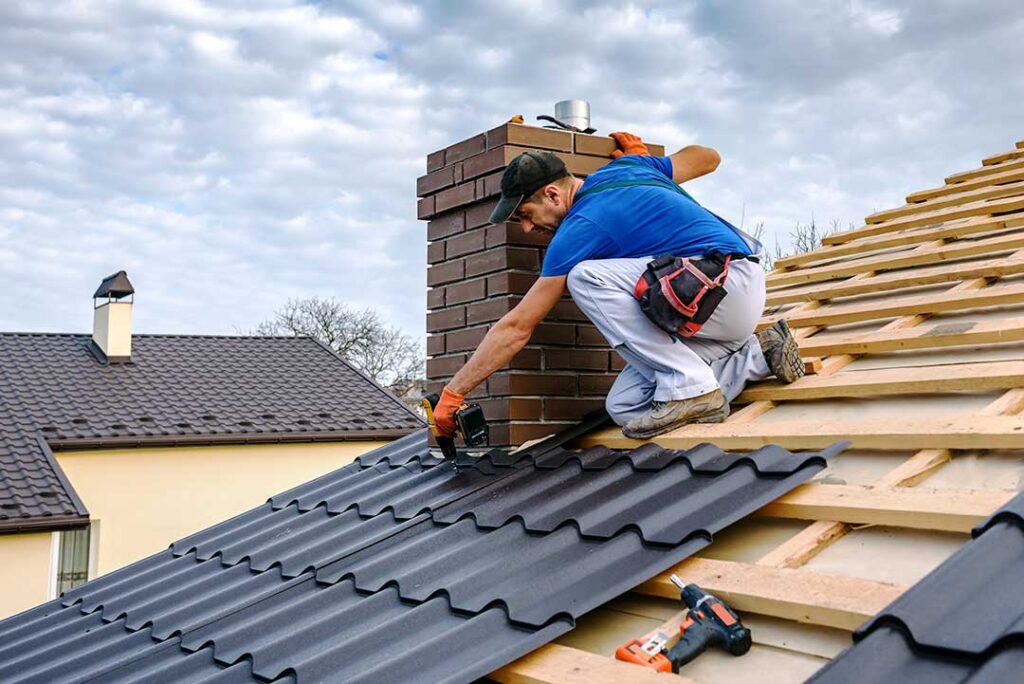
Roof replacement is usually necessary when the roofing system can no longer reliably keep water out, protect the structure, or shed snow and ice. Age matters, but visible deterioration, repeated leaks, poor ventilation, and storm damage often provide stronger evidence than the calendar alone.
How long does a typical roof last?
An asphalt shingle roof commonly lasts about 15 to 30 years, depending on shingle quality, installation, ventilation, maintenance, weather exposure, and the condition of the underlying roof deck. Some roofs need replacement sooner, while well-maintained roofs may remain serviceable longer.
In Ithaca, seasonal changes can be especially demanding. Repeated freezing and thawing, heavy snow, ice formation, wind, rain, and summer heat all contribute to gradual wear. A roof that is approaching the latter part of its expected service life deserves closer observation, even if it does not appear to be leaking.
The age of the roof may be difficult to determine on older homes. Building records, prior sale documents, permits, receipts, or information from previous owners may help establish when the current roofing system was installed.
What visible signs suggest that replacement is near?
Some warning signs indicate that a roof is losing its ability to perform consistently:
- Shingles are curling, buckling, blistering, cracked, or missing.
- Granules are collecting in gutters or at the base of downspouts.
- Shingle tabs appear thin, worn, or uneven.
- Dark patches or areas of exposed underlayment are visible.
- Flashing around chimneys, vents, skylights, or roof edges is deteriorating.
- The roofline appears sagged or wavy.
- Moss or algae is covering large areas rather than appearing in a small, isolated patch.
- A large number of temporary patches are visible.
A few damaged shingles do not automatically mean the entire roof needs replacement. Localized damage may be repairable when the rest of the system is relatively young and in good condition. Replacement becomes more likely when defects are widespread, materials are brittle, or repairs have become frequent.
Do roof leaks always mean the roof must be replaced?
No. A single leak does not automatically require full replacement. Water may enter through damaged flashing, a failed seal around a pipe, an isolated missing shingle, or a problem with a roof edge. These conditions can sometimes be corrected without replacing the entire roof.
However, a leak should not be ignored simply because it appears minor. Water can travel along rafters, roof decking, insulation, and wall cavities before becoming visible indoors. A ceiling stain may be located several feet away from the actual entry point.
Replacement deserves serious consideration when:
- Leaks occur in multiple areas.
- The roof has already been repaired several times.
- Water damage returns after repairs.
- The roof deck is soft, stained, or deteriorated.
- The materials are near or beyond their expected service life.
- A storm caused widespread damage.
Active leaking during rain or melting snow should be treated as a time-sensitive problem. Containers can limit interior damage temporarily, but they do not address saturated insulation, hidden wood damage, or electrical hazards.
What does a sagging roof mean?
A sagging roofline is more serious than ordinary shingle wear. It may indicate weakened roof decking, damaged rafters or trusses, long-term moisture intrusion, inadequate structural support, or excessive weight from snow and ice.
A slight visual irregularity may be difficult to interpret from the ground, but a noticeable dip, ridge, or uneven plane should not be dismissed. Sagging can worsen under heavy snow loads, and walking on a visibly weakened roof can be dangerous.
Interior clues may include:
- Sagging ceilings
- Cracks in ceiling or wall finishes
- Doors that suddenly stick near an affected area
- Damp insulation
- Musty odors in an attic
- Daylight visible through the roof deck
Structural concerns require prompt evaluation because replacing shingles alone may not correct the underlying problem.
How do attic ventilation and insulation affect roof life?
Poor attic ventilation does not always mean a roof needs immediate replacement, but it can shorten roof life and contribute to recurring problems. In winter, warm air escaping into the attic can melt snow on the roof. The water may refreeze at colder eaves, creating ice dams that force water beneath shingles.
In summer, excessive attic heat can accelerate shingle aging. High humidity can also support mold growth, damage insulation, and contribute to condensation on roof framing or fasteners.
Useful warning signs include:
- Frost or moisture on the underside of the roof deck
- Repeated ice dams
- Rusted nails or metal components
- Wet insulation
- Excessive attic heat
- A persistent musty smell
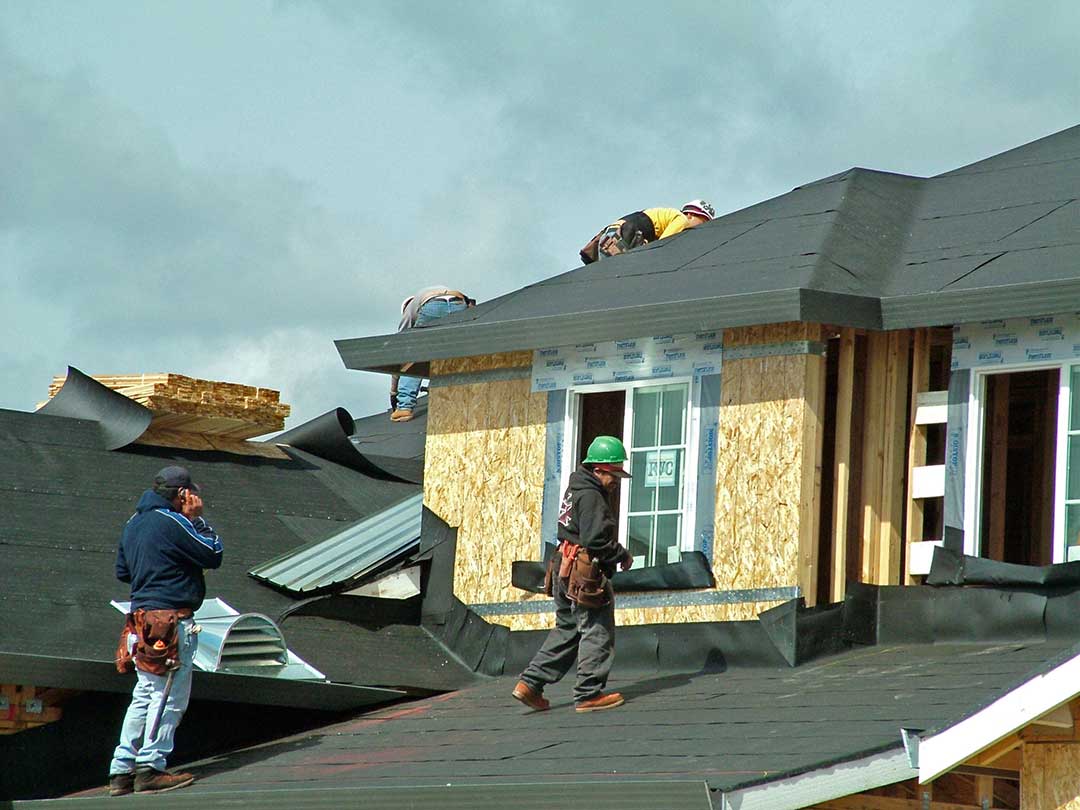
A replacement project may be an opportunity to correct ventilation, insulation, flashing, and drainage issues. Otherwise, a new roof may experience the same problems as the old one.
How should storm damage affect the decision?
Wind, falling branches, and ice can damage a roof even when the overall system is not old. Missing shingles, lifted edges, punctures, exposed underlayment, and damaged flashing should be addressed quickly to prevent water from reaching the roof deck.
Hail damage can be harder to recognize from the ground. It may appear as bruised or exposed areas on shingles, damaged metal vents, or dents in soft roofing components. Not every mark represents functional damage, and aggressive roof inspections immediately after a storm can lead to unnecessary replacement decisions.
After severe weather, avoid climbing onto the roof. Wet shingles, steep slopes, and hidden structural damage create fall risks. Interior inspection is also useful: check attic spaces and upper-floor ceilings for new moisture, staining, or daylight.
Can a roof be repaired instead of replaced?
Repair is more reasonable when the damage is limited, the roof is relatively young, and the surrounding materials remain flexible and intact. Replacement is more practical when damage is widespread or the roof has reached the later portion of its service life.
A patch may not be a durable solution if nearby shingles are brittle, adhesives have failed across a broad area, or the underlying deck is deteriorated. Matching older shingles can also be difficult, which may affect both appearance and performance.
A useful way to think about the decision is to compare the scope of the repair with the remaining life of the roof. Repeated small repairs may cost less at first but become inefficient if new failures continue appearing in different locations.
What should homeowners check before deciding?
Before making a replacement decision, gather information from several parts of the home:
- Look at the roof from the ground using binoculars rather than climbing.
- Check gutters for excessive granules, shingle pieces, or large amounts of debris.
- Inspect attic areas for dampness, mold-like growth, daylight, or damaged wood.
- Record the location and timing of interior stains.
- Review the roof’s approximate installation date.
- Note whether leaks occur during rain, wind, snow melt, or after ice formation.
- Photograph visible damage from a safe location.
- Consider whether previous repairs addressed symptoms or the underlying cause.
Local housing stock includes older homes with additions, multiple roof slopes, dormers, chimneys, and intersecting sections. These features create more flashing points and drainage transitions, so a roof may fail first at a detail rather than across the main field of shingles.
When is replacement urgent?
Immediate attention is warranted when water is actively entering the home, the roof deck is exposed, a large section is missing, the roofline is sagging, or storm damage has created a risk of collapse or electrical contact. Keep people away from areas beneath visibly damaged ceilings, and avoid entering attic spaces with standing water or unstable framing.
For less urgent conditions, the main goal is to avoid waiting until a manageable roofing problem becomes interior structural damage. A roof does not need to look severely damaged before planning becomes sensible. Age, repeated repairs, declining shingle condition, ventilation problems, and evidence of moisture together may show that replacement is approaching even when the interior still appears dry.
IMAGE_ALT:
Homeowner examining worn asphalt shingles and granules on a roof beside a snow-covered gutter.
