
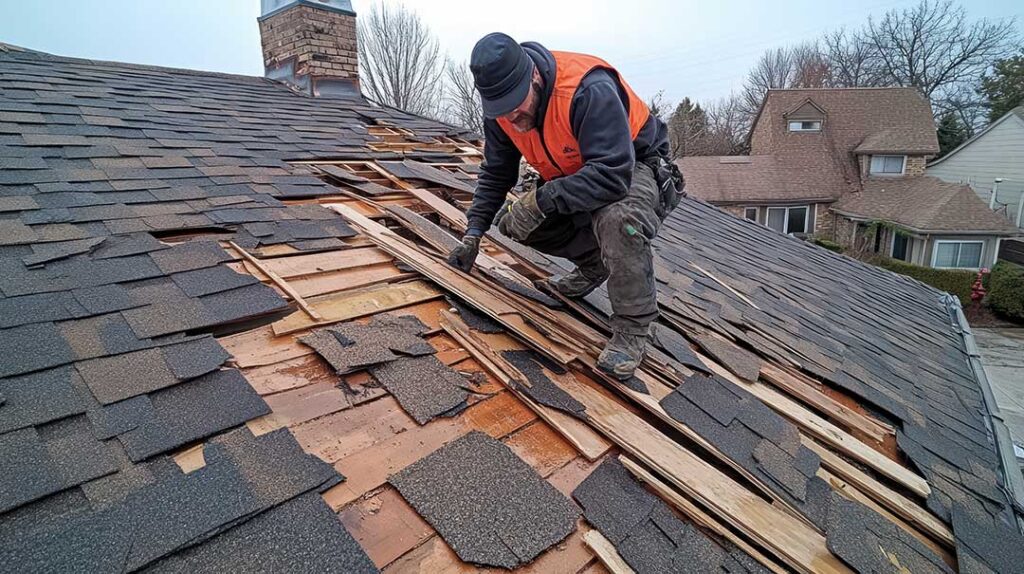
Skylights can make a room brighter and more comfortable, but they also create an opening in the roof that must manage water, snow, wind, heat, and condensation. In Ithaca, NY, seasonal weather makes skylight design, installation, and maintenance especially important.
A skylight is not simply a window placed in a roof. It is part of the roof drainage system, insulation layer, air barrier, and interior ceiling. Problems in any of those areas can eventually affect the surrounding roof.
Do skylights make a roof more likely to leak?
Yes, a skylight adds a potential leak point because the roof covering must be interrupted around its frame. A properly designed and installed skylight should remain watertight, but poor flashing, damaged seals, or installation errors can allow water into the roof assembly.
Most skylight leaks are not caused by the glass itself. They commonly result from:
- Deteriorated or incorrectly installed flashing
- Missing or poorly integrated underlayment
- Roofing material that was cut too close or too far from the frame
- Ice dams or snow buildup around the uphill side
- Cracked skylight components
- Condensation mistaken for an exterior leak
- Roof movement, settling, or storm damage
Water may enter near the skylight and travel along rafters or roof decking before appearing indoors. A ceiling stain does not always identify the exact point where water entered.
How does a skylight affect roof drainage?
A skylight changes how rain and melting snow move across the roof. Water traveling down the roof encounters the raised frame, which can create areas where debris, leaves, or snow collect.
Skylights installed on low-slope areas or below roof features may be more exposed to water accumulation. The uphill side of a skylight also needs properly shaped flashing or a raised structure known as a cricket to direct water around the opening. Without adequate drainage, water may remain against the flashing longer than the surrounding roof can tolerate.
This is especially relevant during Ithaca winters, when snow can melt during daytime temperature changes and refreeze overnight. Repeated cycles of melting and freezing place extra stress on drainage paths and flashing details.
Can snow and ice damage a skylight?
Snow does not automatically damage a skylight, but heavy accumulation and ice formation can increase the risk of leaks or structural stress. Snow may slide down the roof and collect against the skylight frame. Ice dams can also form when heat escapes through the roof, melts snow higher on the roof, and causes water to refreeze near the colder eaves or around roof penetrations.
Potential warning signs include:
- Water stains or bubbling paint near the skylight
- Frost or moisture between panes
- Dripping during or after a thaw
- Noticeable drafts around the frame
- Cracked flashing or displaced roofing material
- Snow or ice repeatedly collecting in the same location
Removing snow from a roof can be hazardous and may damage shingles, flashing, or the skylight itself. Work involving steep slopes, ice, or unstable snow generally presents a genuine safety risk and should not be treated as a routine household task.
Do skylights affect attic ventilation?
A skylight does not replace proper attic ventilation. It may be installed near roof vents, but it does not perform the same function as intake and exhaust ventilation.
A balanced ventilation system helps move moisture and heat out of the attic. Without adequate ventilation, warm indoor air can contribute to condensation beneath the roof deck. In winter, that moisture may freeze and later drip as temperatures rise.
The skylight opening must also be properly insulated and air-sealed. If the shaft between the roof and the ceiling is poorly insulated, it can become a cold surface where indoor humidity condenses. This is sometimes mistaken for a roof leak.
Homes with cathedral ceilings require particular care because there may be less room for ventilation channels and insulation above the finished ceiling. A skylight installed in this type of roof must work with the existing roof assembly rather than blocking intended airflow.
Can skylights increase heating and cooling costs?
Skylights can affect energy use in both helpful and unfavorable ways. Daylight may reduce the need for electric lighting, while winter sunlight can add some passive heat. However, a skylight can also lose more heat than a well-insulated portion of roof, particularly if it is old, poorly sealed, or surrounded by inadequate insulation.
During warmer weather, direct sunlight through a skylight may increase indoor temperatures. The effect depends on the skylight’s size, orientation, glazing, shading, and room location.
Energy performance is influenced by more than the glass. The following details also matter:
- The insulation around the skylight shaft
- Air sealing at the frame and shaft
- The quality of the flashing system
- The condition of the roof beneath and around the opening
- Interior humidity levels
- The use of blinds, shades, or other shading
A small skylight in a well-insulated room may have little effect on total energy use. Several large skylights in a poorly insulated roof can have a much greater impact.
How long do skylights last compared with roofing?
Skylights and roofing materials do not always have the same service life. A roof may be replaced while an existing skylight remains in place, but reusing an older skylight can create problems if its seals, glazing, or flashing are already near the end of their useful life.
Replacing roofing around an old skylight may temporarily improve the surrounding roof without correcting failures in the skylight itself. Conversely, replacing a skylight without addressing deteriorated roof decking, insulation, or flashing may leave the underlying problem unresolved.
During roof work, the skylight should be evaluated as part of the complete roof system. Age, condition, compatibility with the new roofing material, and the design of the flashing all matter.
How should homeowners inspect a skylight?
A visual inspection from inside and outside can identify early warning signs. Interior checks are usually safest from the floor or a stable surface, without leaning against the skylight.
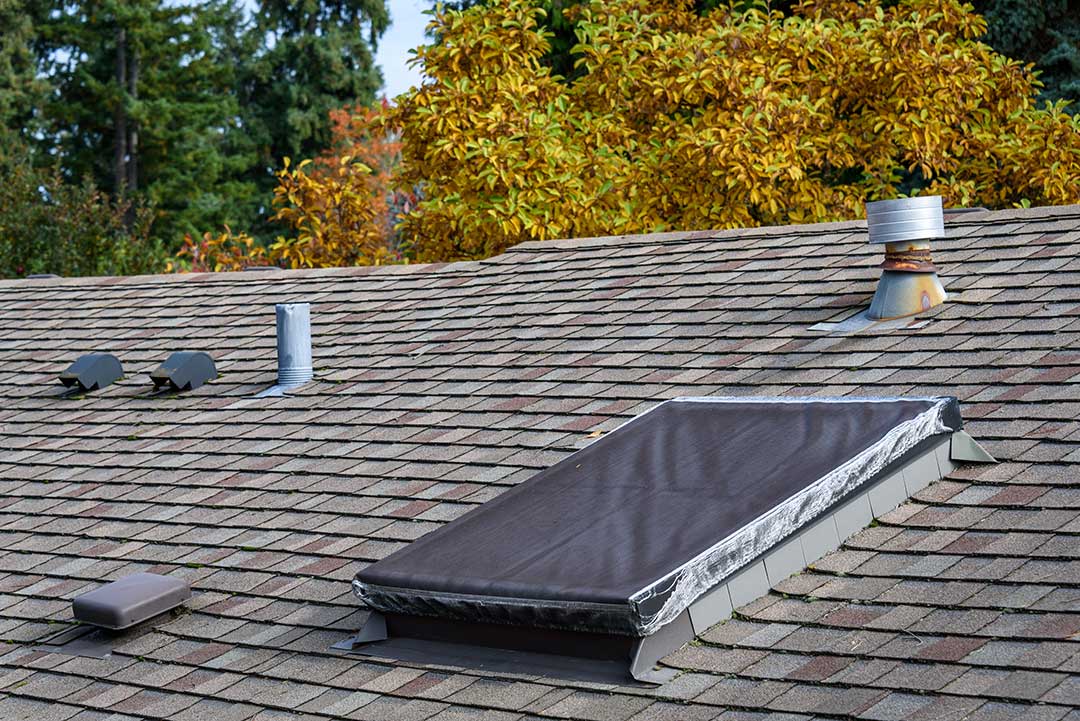
Look for:
- Discoloration on ceilings or walls
- Damp wood, soft drywall, or peeling finishes
- Condensation that persists after normal humidity changes
- Cracks, cloudiness, or moisture between glazing layers
- Gaps around interior trim
- Drafts on cold or windy days
- Damaged shingles or roofing material near the frame
- Rust, gaps, or lifting in exposed flashing
Inspections are most useful after heavy rain, a rapid snowmelt, or a major freeze-thaw period. A dry ceiling does not prove that a skylight is watertight, since some leaks occur only under specific wind or weather conditions.
Should a leaking skylight be repaired or replaced?
The answer depends on the source and extent of the problem. A localized flashing issue may be repairable, while widespread frame deterioration, failed glazing seals, or repeated leaks may justify replacement as part of broader roof work.
A repair is less likely to solve the problem if:
- The skylight frame is warped or corroded
- Moisture exists between sealed glass panes
- The surrounding roof deck is damaged
- The skylight has leaked repeatedly after previous repairs
- The roof covering is near the end of its service life
- The original installation lacks adequate drainage or insulation details
Because roof openings involve fall hazards and hidden water damage, diagnosis and repairs on steep, icy, or deteriorated roofs may require qualified assistance for safety and code-related reasons.
What should be considered before adding a skylight?
Adding a skylight involves more than choosing a location with good sunlight. The roof structure, slope, framing direction, drainage pattern, insulation, ventilation, and interior room layout all need to work together.
Before installation, consider:
- Whether the roof has enough slope for the intended skylight and flashing system
- How the opening will affect rafters or trusses
- Whether snow and water naturally collect in that area
- How the shaft will be insulated and air-sealed
- Whether the room tends to have high humidity
- How much summer heat and glare the space can tolerate
- Whether future roof replacement will remain practical
For area households, the most durable skylight installations are usually the ones treated as part of the entire roof assembly rather than as an isolated window project. Good drainage, secure flashing, proper insulation, and regular observation matter as much as the skylight’s appearance.
