
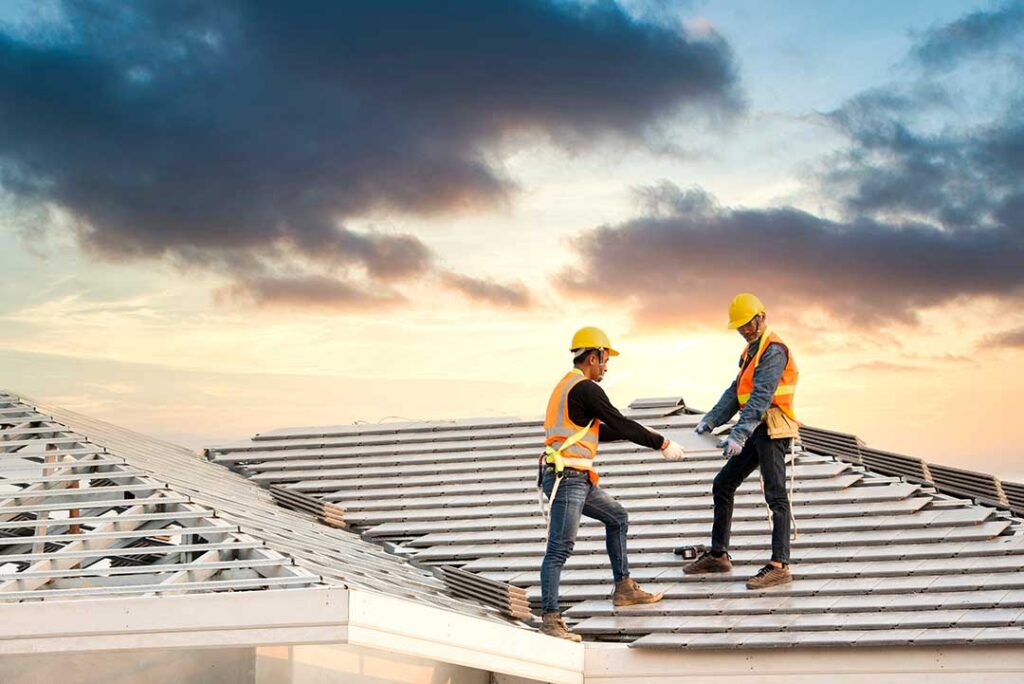
A typical residential roof lasts about 15 to 30 years, but the actual service life depends on the roofing material, installation quality, attic conditions, roof design, and weather exposure. In Ithaca, NY, repeated snow, ice, wind, moisture, and freeze-thaw cycles can place more stress on a roof than the age alone suggests.
A roof that is 20 years old is not automatically failing, and a newer roof is not automatically problem-free. The most useful question is how the roof is performing now and whether its remaining weaknesses can be identified early.
What is the average lifespan of common roofing materials?
Roofing materials have different expected lifespans. Typical ranges for residential construction include:
- Basic asphalt shingles: approximately 15 to 20 years
- Architectural asphalt shingles: approximately 20 to 30 years
- Premium or heavier asphalt shingles: approximately 25 to 40 years
- Metal roofing: approximately 40 to 70 years or longer, depending on the system and maintenance
- Wood shingles or shakes: approximately 20 to 30 years when properly maintained
- Slate roofing: often 50 to 100 years or more
- Synthetic slate or composite roofing: commonly 30 to 50 years, depending on the product
These are planning ranges, not guarantees. A roof exposed to poor drainage, persistent shade, trapped moisture, or repeated ice buildup may deteriorate earlier. A well-designed roof with good ventilation and regular upkeep may remain serviceable beyond its commonly quoted range.
For many homes in the community, asphalt shingles are the most familiar roofing material. Their lifespan is often determined as much by water management and installation details as by the shingle itself.
How does Ithaca weather affect roof life?
Winter conditions are a major factor. Snow and freezing rain add weight, while changing temperatures cause roofing materials, flashing, fasteners, and sealants to expand and contract. Over time, these cycles can open small gaps or loosen components.
Ice dams are another concern. An ice dam forms when heat escaping through the upper part of a roof melts snow, while the colder eaves allow water to refreeze. The backed-up water can work beneath shingles and reach the underlayment, roof deck, insulation, or interior ceilings.
Summer also contributes to wear. Sunlight can dry and embrittle asphalt materials, while strong storms can lift shingle edges or damage exposed flashing. Heavy tree cover may reduce sunlight but can also keep roof surfaces damp and allow leaves and other debris to collect in valleys and gutters.
Moisture is especially damaging when it remains hidden. A roof may look acceptable from the ground while water is slowly affecting the sheathing or framing below.
Does roof age tell the whole story?
No. Age provides a starting point, but condition matters more than the calendar.
Two roofs installed in the same year may have very different remaining lifespans. Differences can result from:
- Roof slope and complexity
- Quality of the original installation
- Number of valleys, skylights, chimneys, and penetrations
- Attic insulation and ventilation
- Tree exposure and shade
- History of snow, wind, or storm damage
- Whether small leaks were corrected promptly
- Moisture levels inside the attic
A simple roof with good drainage may age more slowly than a complicated roof with many intersections and areas where water can collect. Roof edges, valleys, flashing, and penetrations often become vulnerable before the field of shingles does.
What are the signs that a roof is nearing the end of its life?
Common warning signs include visible shingle loss, exposed fiberglass mat, widespread granule loss, curling or cracked shingles, and areas that appear unusually dark or uneven.
Inside the home, watch for:
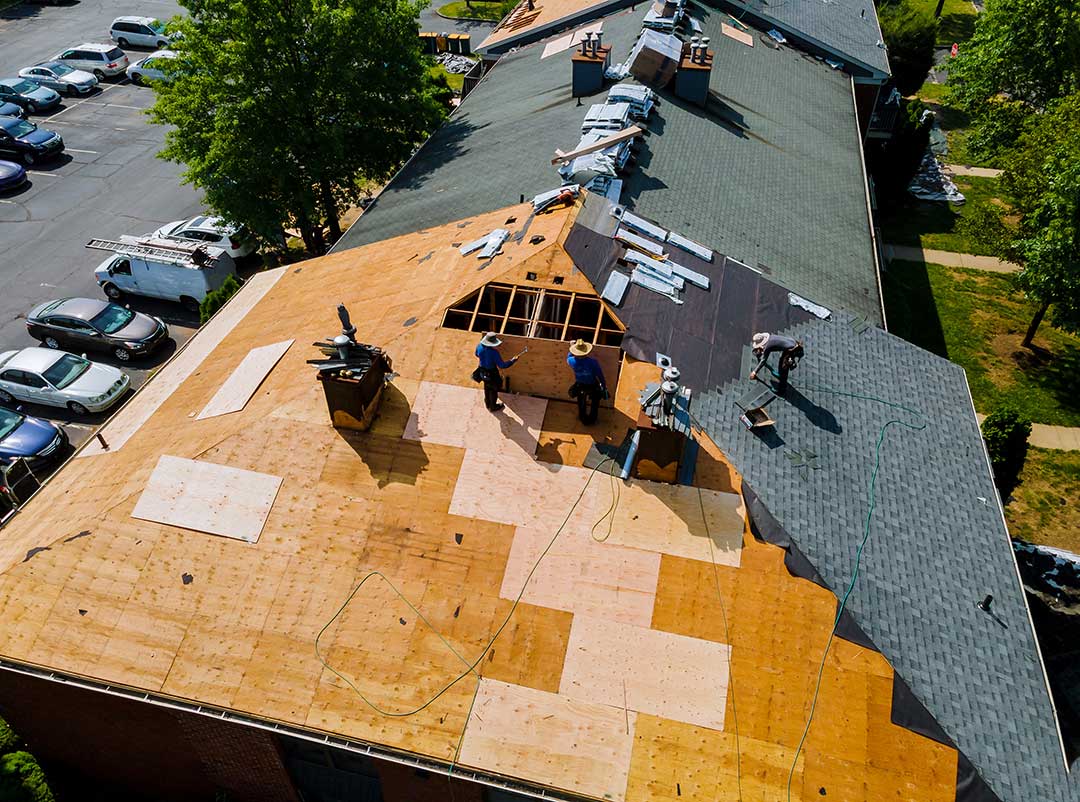
- Water stains on ceilings or upper walls
- Damp insulation in the attic
- Musty odors near the top floor
- Peeling paint or damaged plaster
- Daylight visible through the roof deck
- Rusted nails or wet framing
- Drips or dampness after rain or melting snow
A single damaged shingle does not necessarily mean the entire roof needs replacement. Localized damage may be repairable, particularly when the surrounding materials remain flexible and intact. Widespread brittleness, repeated leaks, or deterioration around several roof features suggests a broader aging problem.
Sagging is more urgent because it may indicate moisture damage or a structural problem. Any roof area that appears to dip, bow, or separate from the building should be treated as a safety concern.
How do attic conditions affect roof longevity?
A properly insulated and ventilated attic can help control temperature and moisture. In cold weather, warm indoor air that reaches the attic may condense on cold roof surfaces. This can dampen insulation, corrode fasteners, encourage mold growth, and weaken the roof deck.
Ventilation alone does not solve every roof problem. Air sealing at the ceiling plane, adequate insulation, clear intake and exhaust paths, and proper moisture control work together. Blocking soffit vents with insulation or storing items against ventilation openings can interfere with the intended airflow.
Attic checks are most useful after winter and after major storms. Look for damp wood, frost, staining, compressed insulation, and evidence that snowmelt or wind-driven rain has entered the assembly.
Can regular maintenance extend a roof’s life?
Maintenance cannot stop normal aging, but it can reduce avoidable damage. Useful habits include keeping gutters and downspouts clear, trimming branches that could fall onto the roof, removing accumulated organic debris where it can be done safely, and checking visible flashing for movement or gaps.
After a significant windstorm, heavy snowfall, or ice event, a ground-level inspection can reveal missing shingles, loose metal, or displaced debris. Avoid walking on a wet, icy, or steep roof. Roofing surfaces can be slippery even when damage appears minor.
Small leaks deserve prompt attention because water can travel along rafters and insulation before appearing indoors. By the time a ceiling stain becomes visible, surrounding materials may already be affected.
Should an older roof be replaced immediately?
Not necessarily. An older roof with intact shingles, sound flashing, no active leaks, and a dry attic may continue to provide reliable service. However, approaching the expected lifespan is a reason to monitor it more closely and plan for eventual work rather than waiting for a severe leak.
Replacement becomes more likely when deterioration is widespread, repairs are recurring, the roof deck is damaged, or the roofing system no longer manages water effectively. Safety also matters: climbing onto a steep or icy roof is hazardous, and suspected structural damage should not be ignored.
For local homeowners, the most practical approach is to judge roof life by material, condition, moisture control, and exposure, not by age alone. A roof that receives routine observation and timely attention can often avoid preventable damage, while hidden moisture and repeated winter stress can shorten its useful life considerably.
