
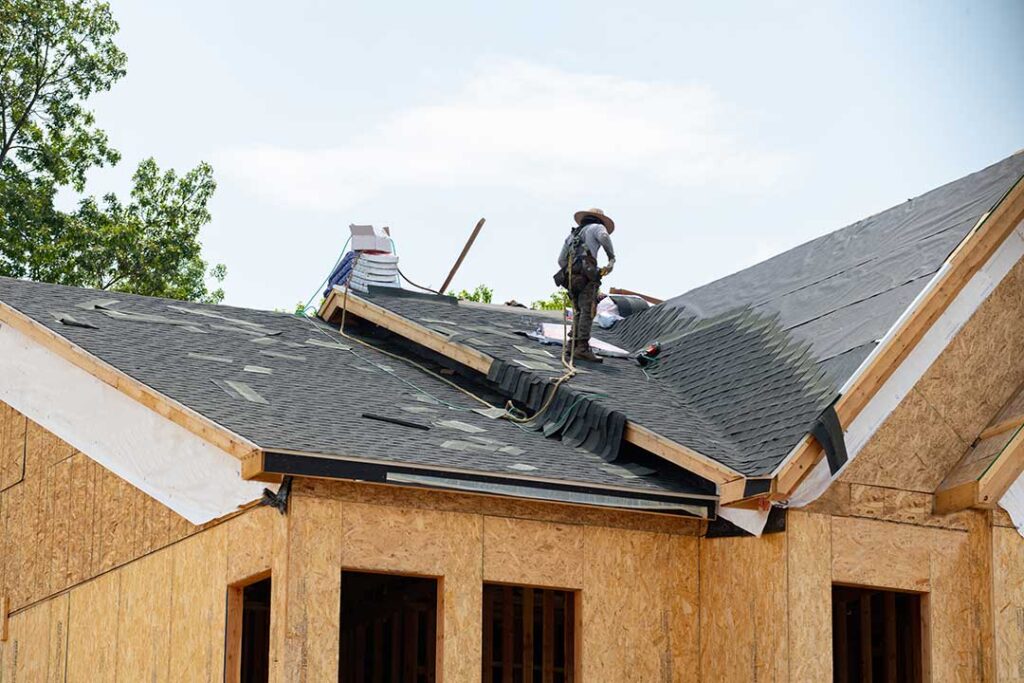
A roof does more than keep rain and snow out. In Ithaca, NY, a properly installed and maintained roof can also help reduce indoor allergens by limiting moisture intrusion, preventing mold-friendly conditions, and reducing hidden areas where damp insulation, dust, and organic debris can accumulate.
A new roof is not a complete indoor-air-quality solution, but it can address one of the most overlooked sources of allergy-related problems: water entering through the building envelope.
Can a new roof actually reduce allergens indoors?
Yes, but mainly by controlling moisture rather than by filtering allergens directly. A roof replacement may reduce indoor mold spores and dampness-related irritants when the old roof has leaks, damaged flashing, deteriorated underlayment, or poorly sealed roof penetrations.
Indoor allergens can include:
- Mold spores
- Pollen brought indoors on clothing, pets, and through ventilation
- Dust mites
- Pet dander
- Pest debris
- Particles that collect in damp insulation, drywall, or carpeting
A new roof does not remove pet dander, dust mites, or pollen already inside a home. Its primary benefit is preventing water from creating conditions where mold and other biological contaminants can multiply.
Why does roof moisture affect allergies?
Moisture allows mold to grow on materials such as wood, paper-faced drywall, insulation, ceiling materials, and stored belongings. Roof leaks may be small enough to remain unnoticed while still keeping parts of an attic, wall cavity, or ceiling damp.
Mold can release spores and fragments into indoor air. Some residents may experience symptoms similar to seasonal allergies, including sneezing, nasal irritation, itchy or watery eyes, coughing, or wheezing. People with asthma or other respiratory sensitivities may be affected more strongly.
The water itself is not the only concern. Repeated dampness can also increase musty odors, damage insulation, attract pests, and make dust more likely to cling to surfaces.
Which roofing problems are most likely to contribute to indoor allergens?
The most significant problems are those that allow water to reach hidden building materials. Common examples include:
Roof leaks around flashing
Flashing protects vulnerable transitions around chimneys, walls, valleys, skylights, and roof edges. When flashing separates, corrodes, or becomes poorly sealed, rain and melting snow can reach the sheathing or attic framing.
Damaged or missing shingles
Cracked, curled, loose, or missing shingles can expose the underlayment and roof deck to repeated wetting. A small ceiling stain may represent a larger area of hidden moisture above it.
Poorly sealed roof penetrations
Plumbing vents, exhaust fans, wiring, and other penetrations create openings through the roof. If their collars or seals fail, water can enter during wind-driven rain or snowmelt.
Inadequate attic ventilation
Ventilation does not correct an active leak, but it helps manage heat and moisture in the attic. In a cold climate, warm indoor air that reaches the attic can condense on cold roof surfaces. Persistent condensation may support mold growth even when the roof covering itself is intact.
Ice-related water backup
Freeze-and-thaw cycles can allow ice to form along roof edges. Water may collect behind the ice and move beneath roofing materials. This is particularly relevant during changing winter conditions, when snow, rain, and above-freezing temperatures occur close together.
How can a new roof help control moisture?
A properly installed roof creates a more reliable water-shedding system. It typically includes sound roof coverings, correctly overlapped underlayment, functional flashing, sealed penetrations, and appropriate edge details.
The indoor-air-quality benefit comes from reducing future wetting. If the roof deck, attic insulation, and ceiling materials stay dry, they are less likely to support mold growth.
A replacement may also provide an opportunity to identify related problems, such as:
- Wet or compressed attic insulation
- Discolored roof sheathing
- Damaged ventilation components
- Unsealed openings around pipes or wiring
- Deteriorated wood near roof edges
- Bathroom or kitchen exhaust that releases moisture into the attic
These conditions should be evaluated separately from the roof covering. Replacing shingles without correcting a bathroom exhaust problem or removing wet materials may leave the underlying indoor-air issue unresolved.
Does a roof replacement remove existing mold?
No. A new roof stops or reduces the source of water intrusion, but it does not automatically remove mold that already exists.
If a leak has affected insulation, drywall, framing, carpeting, or stored items, those materials may need to be dried, cleaned, repaired, or replaced. Porous materials that remain damp for an extended period can be difficult to restore fully.
Visible mold, persistent musty odors, recurring ceiling stains, or unexplained respiratory symptoms deserve careful attention. Larger areas of contamination, inaccessible mold, or situations involving asthma, immune suppression, or other health concerns may require specialized remediation and safety precautions.
Mold testing is not always necessary to determine whether a moisture problem exists. Finding and correcting the water source is generally more useful than relying only on air or surface sampling.
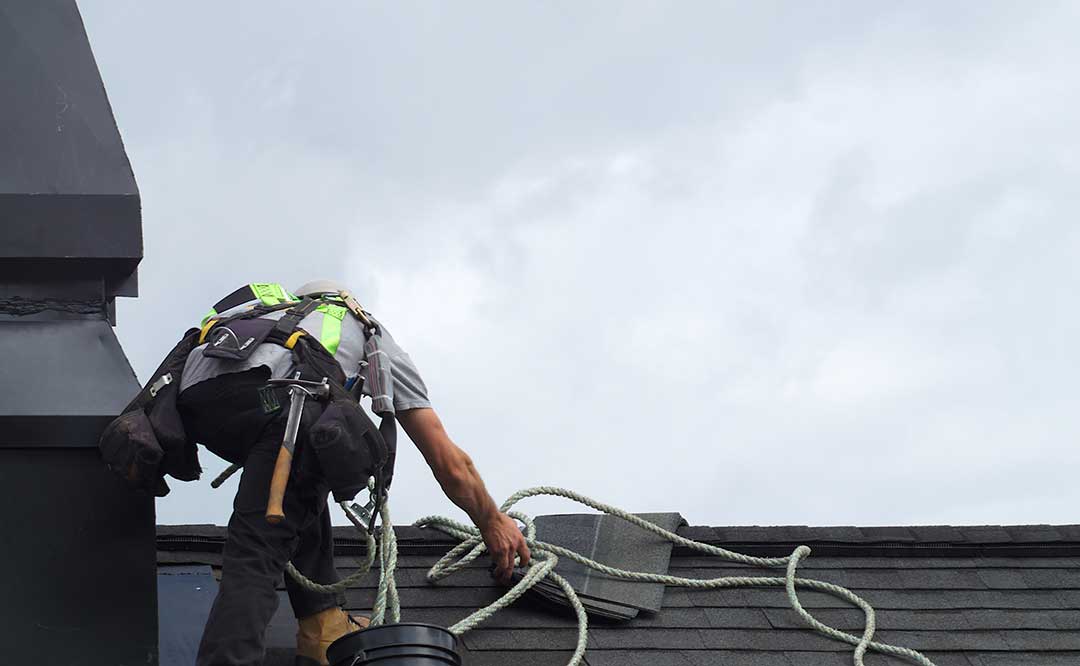
What should Ithaca households look for before replacing a roof?
Residents can begin with a visual inspection from safe locations. Warning signs include:
- Brown or yellow ceiling stains
- Peeling paint near upper walls or ceilings
- Musty odors in the top floor or attic
- Damp insulation
- Daylight visible through the roof deck
- Water marks around chimneys, skylights, or roof penetrations
- Shingle granules collecting in gutters
- Repeated leaks after rain, snow, or thawing conditions
- Frost or condensation on attic surfaces during cold weather
A roof can appear acceptable from the ground while still having problems at valleys, flashing, eaves, or penetrations. Walking on a steep or wet roof is unsafe, and attic areas may contain exposed nails, unstable surfaces, or inadequate ventilation.
What other steps help reduce allergens after roof work?
Roof improvements work best as part of a broader moisture-control plan. After a leak is corrected, useful steps may include:
- Drying affected areas promptly
- Replacing insulation that is wet, moldy, or compressed
- Cleaning hard surfaces with appropriate methods
- Repairing stained or damaged drywall
- Keeping indoor relative humidity below 50 percent when practical
- Using kitchen and bathroom exhaust fans so moisture vents outdoors
- Changing heating and cooling filters according to the equipment and household conditions
- Cleaning gutters and drainage paths so water does not back up against roof edges
- Keeping windows, doors, and foundation areas free of recurring moisture problems
Seasonal changes in the region can make roof maintenance especially relevant. Rain, snow accumulation, freeze-thaw cycles, and humid summer air all place different demands on the roof and attic. Regular observation after major storms can reveal problems before they become hidden moisture damage.
What is the most accurate expectation?
A new roof can reduce allergen exposure when roof-related leaks or dampness are contributing to mold growth. It cannot guarantee allergy relief, eliminate all indoor pollutants, or replace cleaning, humidity control, ventilation, and proper treatment of existing water damage.
The clearest measure of success is not simply that the roof looks new. The roof should keep water out, affected materials should be dry, attic moisture should be controlled, and any mold or damaged interior surfaces should be addressed. When those conditions are met, the home has a stronger foundation for cleaner, more comfortable indoor air.
