

A roof problem rarely stays limited to the original damaged shingle, flashing joint, or gutter connection. Water can move through small openings, soak hidden materials, and create larger repair needs long before a ceiling stain becomes obvious.
For households in Ithaca, roof maintenance deserves particular attention because roofs must handle snow, freezing temperatures, rain, wind, ice formation, and repeated thawing. Ignoring a minor issue may not cause immediate trouble, but it can increase both the physical damage and the eventual cost of correcting it.
How can a small roof problem become expensive?
A small roof defect becomes costly when water reaches materials that were not designed to remain wet. The visible opening may be only a few inches wide, while the affected area behind it can be much larger.
A damaged shingle, loose flashing edge, or failed seal may allow water to enter beneath the roof covering. From there, moisture can travel along roof decking, rafters, insulation, or interior framing before appearing inside the home.
Common progression looks like this:
- A shingle is cracked, lifted, or missing.
- Water reaches the underlayment or roof decking.
- Wood stays damp through repeated rain or snowmelt.
- Insulation loses performance and may retain moisture.
- Interior drywall, paint, or trim begins to stain.
- Rot, mold-like growth, or structural weakening develops.
By the time a homeowner notices discoloration on a ceiling, the original roof defect may no longer be the only concern.
What does delayed roof maintenance usually cost?
The financial effect depends on the location and duration of the damage. A limited repair may involve replacing a few roofing materials and correcting the source of the leak. A neglected leak can involve roof decking, insulation, framing, ceilings, walls, flooring, electrical components, or personal belongings.
The most overlooked cost is often the cost of removing damaged materials before new materials can be installed. For example, a roof covering cannot simply be repaired over rotten decking. Wet insulation may need to be removed, and damaged drywall may need to be opened so the wall cavity can dry.
Costs may also increase because water damage affects several trades or repair categories at once, such as:
- Roofing materials and labor
- Carpentry for weakened decking or framing
- Insulation replacement
- Drywall, plaster, paint, or trim repairs
- Electrical inspection if water reached wiring or fixtures
- Moisture control and drying
- Replacement of damaged furnishings or stored belongings
This does not mean every roof leak becomes a major reconstruction project. It means the price of delay is unpredictable, while early correction usually limits the number of affected materials.
Why are Ithaca winters especially hard on roofs?
Cold-weather cycles can turn a modest roof weakness into a recurring moisture problem. Snow can remain on a roof for extended periods, then melt during warmer conditions. If melting water encounters a blocked drainage path or refreezes near an edge, it may back up beneath roofing materials.
Ice-related problems are more likely where heat escapes unevenly through the attic, where ventilation is inadequate, or where gutters and downspouts are obstructed. Not every roof with snow develops an ice dam, but roofs with uneven temperatures and poor drainage are more vulnerable.
Freeze-thaw cycles create additional stress. Water enters a small crack, freezes, expands, and enlarges the opening. Repeated cycles can loosen flashing, split sealants, and worsen cracks in masonry near roof edges or chimneys.
Heavy snow also adds weight. A sound roof is designed to carry expected loads, but prolonged accumulation can expose weaknesses in older, damaged, or altered roof systems.
Can a roof leak cause health or indoor-air problems?
Moisture does not automatically create a health hazard, but persistent dampness can support mold and other biological growth on suitable materials. The risk increases when wet insulation, wood, drywall, or carpeting remains concealed for days or weeks.
A musty odor, recurring staining, peeling paint, bubbling drywall, or damp attic insulation may indicate that moisture is not being controlled. Occupants with asthma, allergies, or other sensitivities may notice symptoms more readily in damp indoor conditions.
Roof leaks can also reduce indoor comfort. Wet insulation performs poorly, which may lead to colder rooms, drafts, and higher heating demand during winter. Moisture can also contribute to warped floors, sticking doors, and deteriorating finishes.
If water is near a light fixture, electrical outlet, service panel, or other wiring, the situation requires extra caution. Turning off power to the affected area may be appropriate if it can be done safely. Water and electrical systems should not be handled casually.
Which roof warning signs should not be ignored?
Some warning signs are easy to dismiss because they appear minor or intermittent. A problem that disappears after dry weather may still be active beneath the surface.
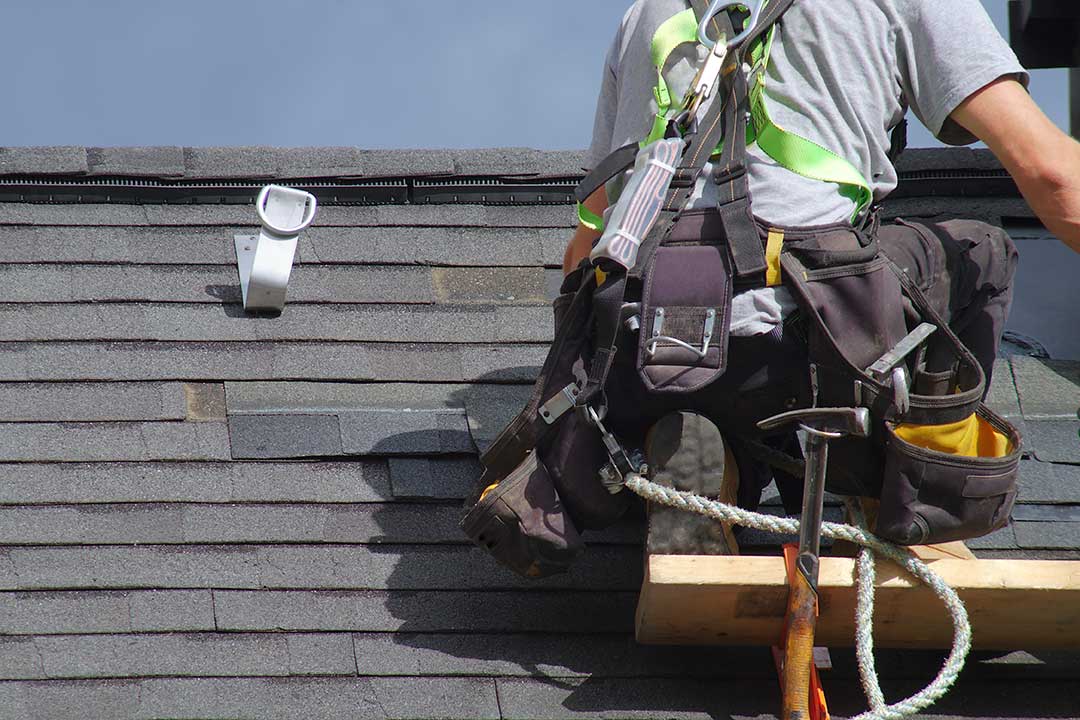
Pay attention to:
- Missing, curled, cracked, or slipping shingles
- Granules collecting in gutters or at downspout outlets
- Dark patches or sagging areas on the roof
- Rusted, separated, or lifted flashing
- Water stains on ceilings or upper walls
- Damp insulation or a musty attic smell
- Dripping that occurs only during snowmelt
- Gutters pulling away from the roof edge
- Peeling paint near ceiling corners
- Daylight visible through the attic roof deck
A stain that dries does not prove the roof is fixed. It may simply mean that the immediate weather has changed.
Are attic inspections useful if there is no visible ceiling leak?
Yes. The attic often reveals roof problems before living spaces do. Looking from inside can show damp decking, darkened wood, compressed insulation, water trails, rusted fasteners, or daylight entering through a roof penetration.
Inspection should be performed only where it is safe to walk and move. Attics can contain exposed nails, unstable surfaces, limited ventilation, extreme temperatures, and electrical hazards. Walking on ceiling joists rather than insulation is necessary where access is safe, but some spaces are not suitable for casual entry.
A visual check after major storms, heavy snowfall, or strong wind can help identify changes. It should not be treated as a substitute for addressing known damage.
What can homeowners do immediately after discovering a leak?
The first priority is limiting interior damage without creating a personal safety risk. Place containers beneath active drips, move belongings away from the affected area, and document visible damage with photographs. If water is near electrical equipment, avoid contact and use caution before entering the area.
Do not climb onto a wet, icy, or snow-covered roof. Temporary interior measures may reduce damage, but they do not correct the entry point. Roof coverings can also be damaged by improvised patching, aggressive scraping, or walking in the wrong locations.
After the immediate issue is controlled, note when the leak occurs. Dripping during rain, snowmelt, wind, or only after extended precipitation can provide useful clues about the source.
When is delaying unsafe?
A roof problem deserves prompt attention when the roof is sagging, water is near electrical components, interior ceilings are bulging, structural wood appears weakened, or substantial snow and ice are accumulating on a compromised roof.
Safety concerns are not limited to falling materials. Wet surfaces, hidden openings, unstable attic flooring, and electrical exposure can make a seemingly simple inspection dangerous. In those situations, avoiding roof access and limiting entry into affected areas is the safer choice.
The true cost of ignoring roof problems is not limited to the eventual roofing bill. It can include damaged insulation, weakened framing, poor indoor comfort, lost belongings, disrupted living space, and avoidable safety risks. Early recognition does not guarantee a minor repair, but it gives the problem a better chance of remaining limited to its original source.
