
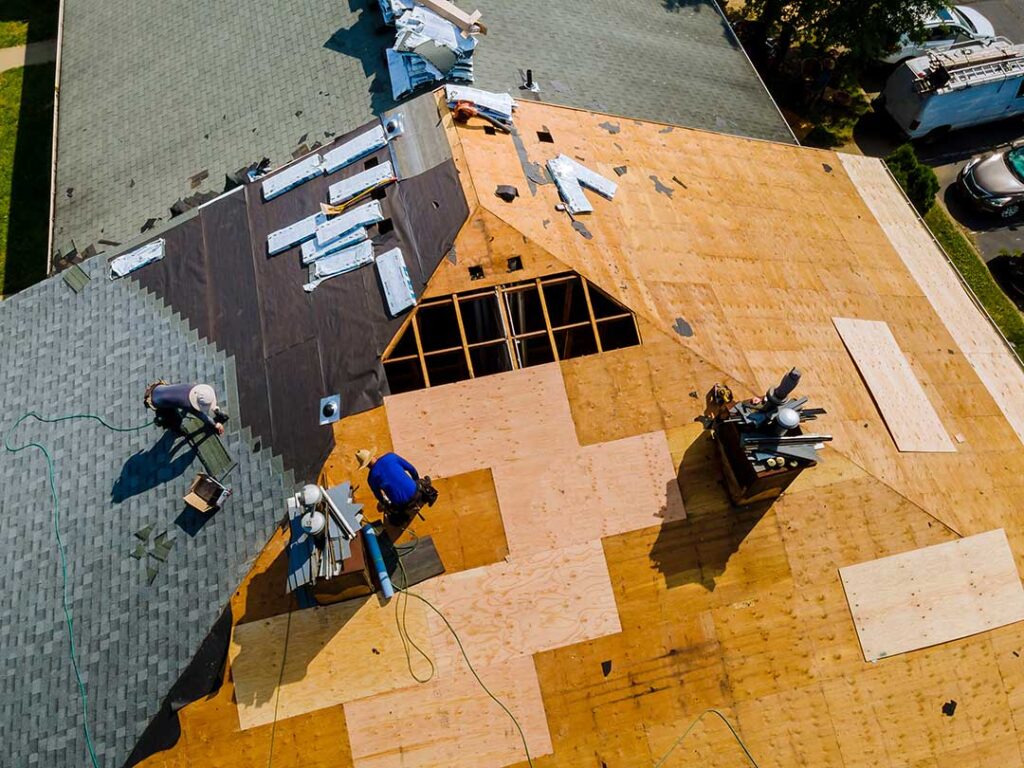
A roof replacement can help lower energy bills, but the savings usually come from more than installing new shingles. The biggest improvements often involve the roof’s insulation, air sealing, ventilation, flashing, and overall ability to manage heat and moisture.
For households in Ithaca, NY, these details matter because homes must handle cold winters, snow, freeze-thaw cycles, damp weather, and occasional summer heat. A roof that protects the building envelope can make heating and cooling equipment work less often and maintain more consistent indoor temperatures.
Does replacing a roof directly lower energy bills?
Sometimes, but the roofing material itself is usually not the main source of savings. A new roof can reduce energy waste when the replacement project also corrects problems in the attic or roof assembly.
A roof replacement may improve efficiency by:
- Replacing damaged or missing insulation
- Sealing gaps around vents, chimneys, skylights, and other openings
- Restoring proper soffit and ridge ventilation
- Reducing air movement between the living space and attic
- Preventing moisture from weakening insulation
- Improving the roof’s resistance to summer heat
If the existing roof is simply covered with new shingles while insulation and air leakage problems remain, the change in energy use may be modest.
Why does the attic have such a strong effect on heating costs?
Heat naturally moves toward colder areas. During winter, warm air from the living space can escape through gaps in the ceiling and enter the attic. If the attic has little insulation, that heat can move through the roof, forcing the heating system to run longer.
Air leaks are often found around:
- Plumbing vent pipes
- Chimneys and flues
- Recessed lights
- Attic hatches
- Electrical wiring
- Duct penetrations
- Bathroom fans and other roof openings
Sealing these openings before adding insulation helps keep heated air inside the home. Insulation then slows the remaining heat transfer. This combination is generally more effective than adding insulation over unsealed gaps.
During a roof replacement, attic conditions are easier to inspect because damaged sheathing, wet insulation, and areas around roof penetrations may become visible.
How does roof ventilation affect energy use?
Proper ventilation helps control attic temperature and moisture. In a typical vented attic, air enters near the eaves through soffit vents and exits higher through ridge or other roof vents.
That airflow serves different purposes throughout the year:
- In winter, it helps keep the attic cold and reduces condensation.
- In summer, it allows accumulated heat to escape.
- Throughout the year, it helps remove moisture that could damage insulation and wood framing.
A common mistake is blocking soffit vents with insulation. This can restrict airflow and create moisture problems. Rafter vents, sometimes called insulation baffles, help preserve an open channel between the soffits and the upper roof vents.
Adding powered attic fans is not automatically an energy improvement. If the ceiling below the attic is poorly sealed, a fan may pull conditioned air out of the home, increasing heating or cooling demand. Passive ventilation combined with proper air sealing is often the more dependable approach.
Can a new roof help with summer cooling costs?
It can, especially in homes with a hot attic, inadequate insulation, or poor ventilation. Solar heat absorbed by the roof can raise attic temperatures substantially. Without adequate insulation, some of that heat moves into the rooms below.
A well-designed roof assembly reduces this transfer through:
- Adequate attic-floor insulation
- Air sealing at the ceiling plane
- Clear ventilation paths
- Light-reflective or otherwise appropriate roofing materials
- Properly insulated roof sections in homes without an attic
Summer savings may be less noticeable in homes that do not use much air conditioning. Even so, reducing heat entering upper-floor rooms can improve comfort and reduce the need for fans or cooling equipment.
What roof replacement details matter most in a cold climate?
For local homes, winter performance deserves particular attention. Snow accumulation, wind-driven precipitation, ice, and repeated freezing and thawing can expose weak points in the roof system.
Useful details include:
- Durable underlayment beneath the outer roofing material
- Proper flashing around chimneys, walls, skylights, and roof valleys
- Securely installed drip edges
- Clear ventilation at the eaves and roof peak
- Adequate insulation near the attic perimeter
- Careful air sealing around penetrations
- Roof drainage that directs water away from walls and foundations
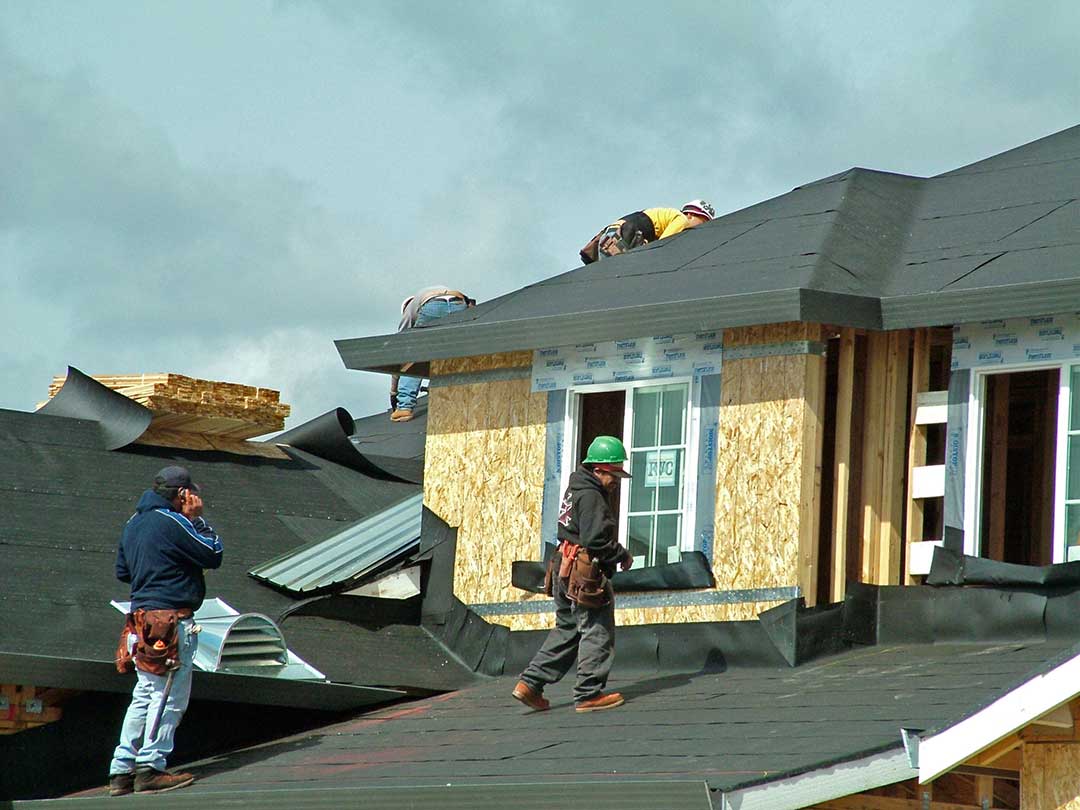
These features do not all reduce energy use directly. Their value is that they help keep the roof dry and the insulation effective. Wet or compressed insulation performs poorly, and moisture damage can create drafts and deterioration that make the home harder to heat.
Will a roof replacement prevent ice dams?
It may reduce the risk, but no roof replacement can guarantee that ice dams will never form. Ice dams commonly develop when heat escaping from the home warms the underside of the roof, melts snow, and allows water to refreeze near colder eaves.
The most effective approach is to address the cause:
1. Seal air leaks between the living space and attic.
2. Add or improve insulation.
3. Maintain a continuous ventilation path.
4. Keep the roof surface and eaves in sound condition.
5. Manage snow safely rather than relying only on roof surface materials.
Roofing membranes and flashing can help limit damage if water backs up, but they do not replace proper attic insulation and air sealing.
Is roof insulation the same as attic insulation?
No. In many homes, insulation belongs on the attic floor rather than directly against the roof deck. This keeps the attic outside the home’s conditioned space while allowing the roof deck to remain cold and ventilated.
Some homes have cathedral ceilings or finished attic areas without an accessible attic floor. In those cases, insulation may need to be installed within the roof assembly itself. The correct method depends on the roof design, available space, moisture control, and ventilation strategy.
Adding insulation without understanding the assembly can trap moisture or block necessary airflow. This is one reason roof replacement planning should include an assessment of the attic and ceiling structure, not just the visible roof surface.
How can residents tell whether a roof is contributing to high energy bills?
Several clues suggest that the roof or attic may be part of the problem:
- Upper rooms are much hotter in summer or colder in winter.
- Snow melts unevenly on the roof during freezing weather.
- Ice dams or large icicles appear repeatedly.
- The attic smells damp or shows staining.
- Insulation is wet, thin, compressed, or uneven.
- Heating or cooling equipment runs for long periods.
- Drafts occur near the ceiling, attic hatch, or recessed lights.
- Roof sheathing or framing shows darkened or damaged areas.
Energy bills alone cannot identify the cause. Air leakage through walls, inefficient heating equipment, windows, ductwork, and occupant habits may also contribute. Comparing utility use across similar weather periods can be more useful than comparing dollar amounts, since fuel and electricity prices change.
What should be checked before assuming a new roof will save money?
A roof replacement is most likely to improve energy performance when it is treated as part of a larger building-envelope project. Before work begins, it is useful to understand:
- The current insulation depth and condition
- Whether the attic floor is air sealed
- The location and condition of soffit and upper roof vents
- Whether bathroom or kitchen exhaust vents outdoors
- Whether ducts or mechanical equipment are located in the attic
- Whether moisture has damaged sheathing or framing
- Whether the home has a vented attic, finished attic, or cathedral ceiling
The result should be a roof system that manages water, air, heat, and moisture together. In many older homes, improving attic insulation and sealing can produce more noticeable energy savings than changing the outer roofing material alone.
