
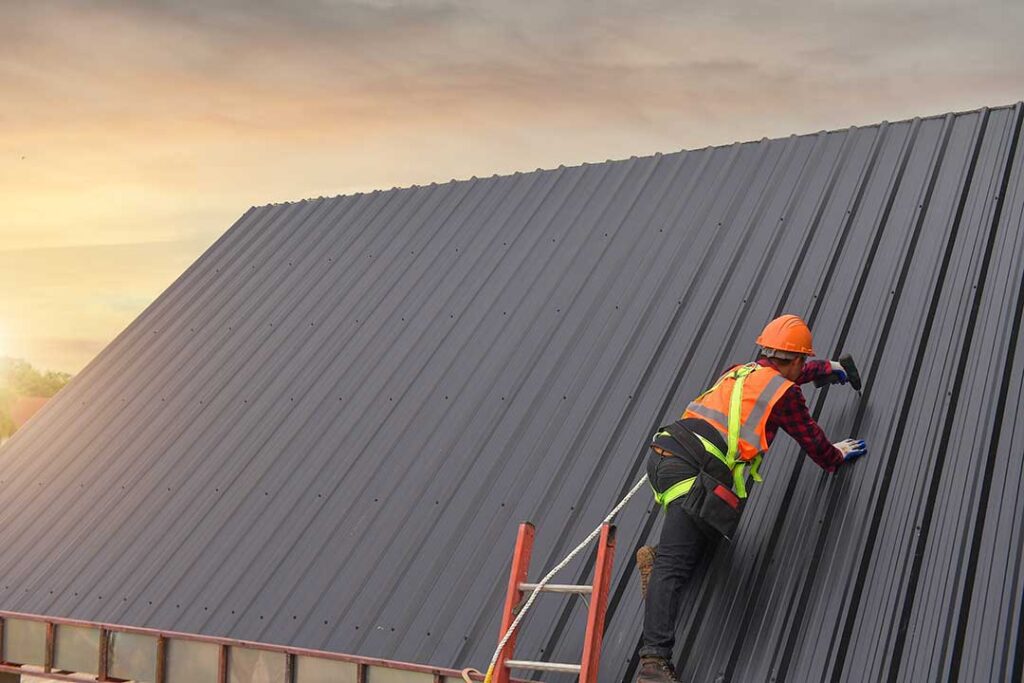
Roofing technology is changing in practical ways, from improved shingles and membranes to moisture sensors and more efficient ventilation systems. For households in Ithaca, NY, the most useful innovations are those that manage snow, freeze-thaw cycles, heavy rain, summer heat, and the long service life expected from a roof.
Technology does not eliminate the need for sound design and installation. A highly engineered roofing material can still perform poorly if the roof has inadequate drainage, weak ventilation, improper flashing, or hidden moisture problems.
Which roofing innovations matter most in a cold, wet climate?
The most relevant advances for local homes improve water control, durability, energy performance, or maintenance planning. Roofing materials now offer more choices for handling repeated wetting, freezing, thawing, wind, and temperature changes.
Several developments are especially useful:
- Impact-resistant shingles designed to better tolerate hail, falling branches, and physical stress
- Synthetic underlayments that resist tearing and moisture intrusion during construction
- Improved ice-barrier materials installed near roof edges and other vulnerable areas
- Reflective or “cool roof” surfaces that reduce heat absorption during summer
- Solar roofing systems that combine electricity generation with weather protection
- Digital monitoring tools that help detect moisture or temperature changes before visible damage appears
The right choice depends on the roof’s slope, framing, drainage, shade, solar exposure, attic design, and surrounding trees. A technology that works well on a simple, steeply pitched roof may be less suitable for a low-slope addition or an older structure with limited ventilation.
Are newer shingles more durable than traditional asphalt shingles?
Many newer asphalt shingles are designed with stronger reinforcement, improved granule adhesion, and better resistance to wind or impact. Some products are manufactured to remain flexible across a wider temperature range, which can help reduce cracking during repeated seasonal changes.
“Lifetime” or “limited lifetime” labels do not mean a roof will last forever. These terms generally describe a manufacturer’s warranty category and may depend on installation requirements, ventilation, maintenance, and weather conditions. Actual service life is affected by attic heat, moisture, foot traffic, tree debris, algae growth, and the quality of flashing around chimneys, walls, and roof penetrations.
Impact-resistant shingles can be useful where roofs are exposed to mature trees or occasional hail. They may reduce surface damage, but they are not indestructible. A branch large enough to damage decking or framing can overcome even a durable shingle surface.
How can roofing technology reduce ice-dam problems?
Ice dams form when heat escaping from the living space warms parts of the roof while colder areas near the eaves allow snow to refreeze. Water can then collect behind the ice and move beneath the roofing material.
Modern ice-dam prevention focuses less on a single product and more on controlling the entire roof system. The main components include:
- Adequate insulation at the attic floor
- Sealing around light fixtures, wiring, plumbing penetrations, and other air leaks
- Balanced intake and exhaust ventilation
- A properly installed water-resistant membrane near eaves and roof transitions
- Clear drainage paths through gutters and downspouts
Heating cables may help in limited situations, but they are not a substitute for correcting heat loss or poor drainage. They can also create their own maintenance and electrical concerns. Roof designs that keep the surface temperature more consistent generally provide a better long-term solution.
What role does attic ventilation play in newer roofing systems?
Ventilation remains one of the most important and misunderstood parts of roofing performance. Its purpose is to reduce excessive heat and moisture in the attic, not to make the attic as cold as possible.
A balanced system typically brings air in through lower roof or soffit areas and allows warm, moist air to exit near the ridge or another high point. Blocking intake vents with insulation, relying only on a powered exhaust fan, or mixing incompatible ventilation approaches can reduce effectiveness.
In winter, poor ventilation can contribute to condensation, damp insulation, mold-like odors, and deterioration of roof sheathing. In summer, excessive attic heat can increase cooling demand and accelerate aging of some roofing materials.
Roofing improvements should therefore include an attic inspection whenever possible. Replacing surface materials without addressing trapped moisture may conceal the real problem rather than solve it.
Are solar shingles practical for local homes?
Solar shingles and integrated solar roofing systems can produce electricity while serving as part of the roof covering. They may be considered where a roof has suitable sun exposure, enough area, and a long remaining service life.
Their practicality depends on more than sunlight. Shade from trees, roof orientation, snow accumulation, electrical-panel capacity, roof complexity, and future repair access all matter. A roof with multiple dormers, valleys, chimneys, or shaded sections may be less efficient for solar generation than a broad, uncomplicated roof plane.
Solar equipment also adds planning considerations. Roofing and electrical components must be coordinated so that future repairs do not create unnecessary disruption. If the existing roof is near the end of its service life, replacing or reinforcing the roof structure before adding solar may be more sensible than installing generation equipment over deteriorated materials.
What are cool roofs, and do they help in this climate?
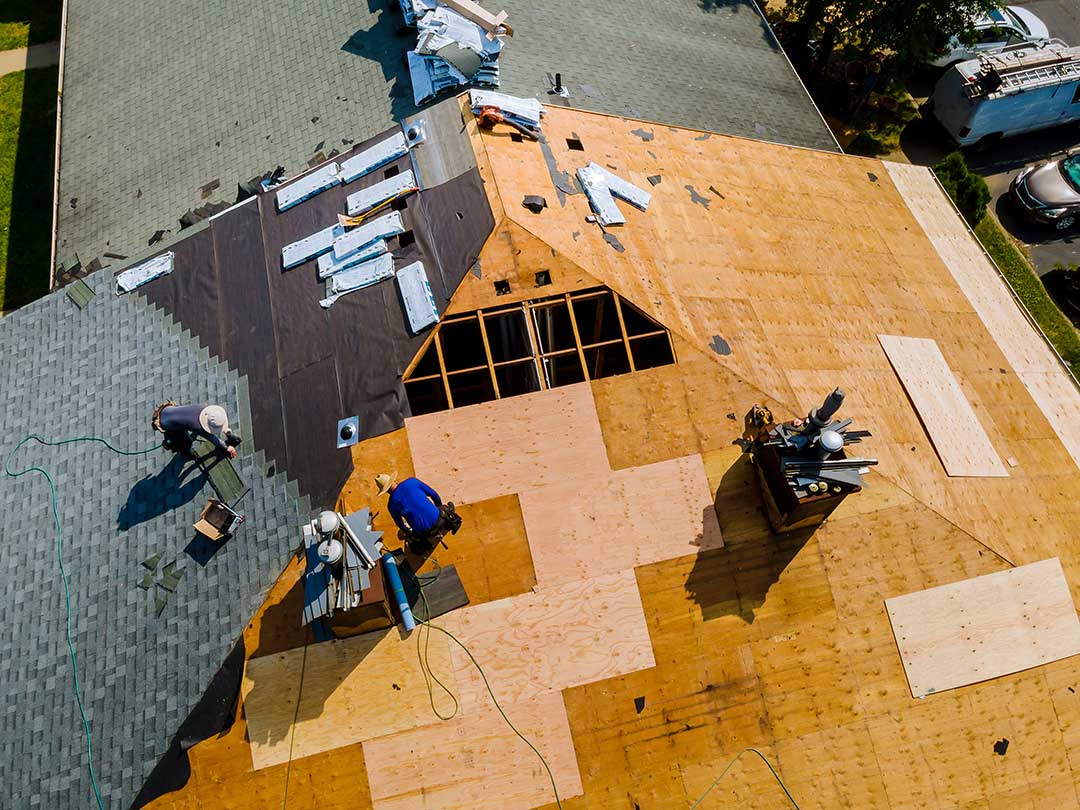
Cool roofs use reflective surfaces or specially designed coatings to absorb less solar heat. They are most beneficial during warm weather, particularly on low-slope roofs, additions, garages, and buildings with limited attic insulation.
For many homes, summer heat reduction is helpful but not the primary roofing concern. Snow, rain, ice, and moisture management usually deserve equal or greater attention. A reflective roof can reduce heat gain, but it does not correct poor ventilation, inadequate insulation, or leaks around roof penetrations.
Color and material selection should be considered together. Dark roofing can absorb more heat, while lighter surfaces may reflect more sunlight. The best choice depends on the roof assembly, attic design, energy goals, and appearance requirements.
Can sensors detect roof leaks before they become visible?
Moisture sensors, attic monitors, and connected building systems can identify unusual humidity, temperature changes, or water accumulation. These tools may be useful in areas that are difficult to inspect, such as finished attics, low-slope sections, or roofs over valuable equipment.
Sensors have limits. They can indicate a possible problem but may not identify the exact entry point. Water can travel along rafters, insulation, and roof decking before appearing indoors. Batteries, wiring, calibration, and placement also affect reliability.
A sensor should be treated as an early-warning tool, not a replacement for periodic visual inspection. After major storms, residents should look for missing or lifted roofing materials, damaged flashing, blocked drainage, sagging surfaces, and damp attic insulation.
Are green roofs suitable for houses?
Vegetated roofs can reduce stormwater runoff, provide insulation, and protect the roof membrane from some temperature extremes. They are more common on low-slope structures designed to carry added saturated weight.
A green roof requires structural evaluation, root-resistant waterproofing, drainage layers, overflow planning, and ongoing maintenance. Snow and water weight must be included in the design. Retrofitting an ordinary residential roof without checking its framing can create a serious safety concern.
For most homes, simpler stormwater improvements—such as properly sized gutters, well-directed downspouts, and reliable drainage away from foundations—are easier to maintain. Green roofing is most practical when considered during the original design of a suitable low-slope building.
What should homeowners ask before choosing a new roofing technology?
Residents should ask how a proposed system will perform as a complete assembly, not just how a particular product is rated. Useful questions include:
- How will snow, ice, and heavy rain drain from the roof?
- Is the attic adequately insulated and ventilated?
- What happens at valleys, chimneys, skylights, walls, and roof edges?
- Will the material remain repairable if one section is damaged?
- Does the roof structure support the added weight of solar equipment or a vegetated system?
- What maintenance is required, and how will it be performed safely?
- Are warranty conditions dependent on specific installation methods?
The most valuable roofing innovation is often better coordination between materials, drainage, ventilation, insulation, and maintenance. In a four-season community, a roof performs best when every layer is designed to manage moisture and temperature together rather than treated as a separate surface.
