
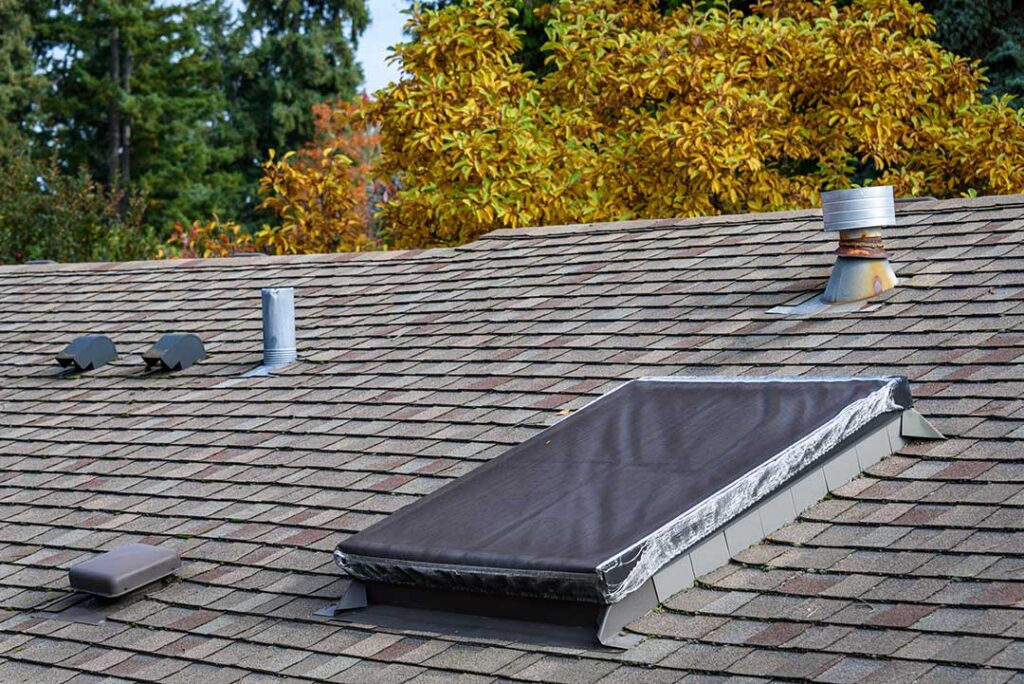
Can a sports ball really damage a roof?
Yes. A baseball, softball, hockey puck, lacrosse ball, soccer ball, or other hard object can damage roofing materials when it strikes with enough force. The result may be a visible puncture, a cracked shingle, a loosened flashing component, or hidden damage beneath the roof surface.
The risk depends on several factors:
- The type and speed of the ball
- The age and condition of the roof
- The roofing material
- The angle of impact
- Whether the ball strikes a vulnerable area, such as a roof edge, vent, skylight, or flashing
A single impact may not cause an immediate leak. Some damage becomes noticeable only after rain, snow, freezing temperatures, or repeated exposure to wind.
Which parts of a roof are most vulnerable?
The most vulnerable areas are usually roofing components that are thinner, raised, brittle, or already weathered. These include asphalt shingles, metal flashing, plastic vent covers, skylights, and gutters.
A ball that lands on the middle of a healthy roof slope may leave little or no visible evidence. An impact near a roof penetration can be more serious because vents, chimneys, skylights, and plumbing pipes already create openings that must remain tightly sealed.
Roof edges are also exposed to greater risk. A ball can strike the fascia, drip edge, or the first row of shingles and dislodge materials. Damage near the edge may allow water to reach the roof deck or wall framing.
In Ithaca, winter conditions can make minor impact damage more consequential. Water can enter a small crack, freeze, expand, and gradually enlarge the damaged area. Snow and ice can also hide broken shingles or displaced flashing during the season when roof access is least practical.
What kinds of damage can a ball cause?
Sports-ball impacts can produce several different types of roof damage.
Cracked or split shingles
An asphalt shingle may crack across the surface or split near the lower edge. The damage can be difficult to see from the ground, especially if the shingle remains in place.
A cracked shingle loses some of its ability to shed water. Wind may later lift the damaged section, and water can work beneath it during heavy rain.
Bruised shingles
A shingle can appear intact while sustaining a soft or crushed area beneath the surface. This is sometimes called a bruise. The impact may loosen or fracture the fiberglass reinforcement and create a weak point.
Bruising is more likely to become a problem over time than immediately. Weather exposure can cause the affected area to deteriorate faster than the surrounding material.
Displaced or broken flashing
Flashing directs water around roof transitions, walls, chimneys, vents, and other joints. A hard impact can bend or loosen it. Even a small gap may allow water behind the roofing system.
Flashing damage is often more difficult to identify than a missing shingle because the visible portion may look only slightly out of place.
Damaged vents, skylights, and roof accessories
Plastic vent caps can crack, while metal components can dent or separate at their seams. A skylight may develop a crack or lose part of its surrounding seal.
These components can be more vulnerable than the main roof surface because they project above the shingles and absorb direct impacts.
Gutter and trim damage
A ball may dent a gutter, loosen a downspout connection, or damage fascia and soffit materials. A dented gutter may still function, but a shifted section can change the flow of water and cause overflow near the roof edge.
How can homeowners tell whether an impact caused damage?
Look for visible changes after a ball strikes the roof or lands near the home. Safe observations from the ground may include:
- A shingle that is cracked, lifted, curled, or missing granules
- A dark, soft-looking spot on an otherwise uniform roof
- Exposed underlayment or roof deck
- A bent vent cap or displaced flashing
- New dents in gutters, trim, or metal roofing
- Granules collecting in gutters or at the base of downspouts
- Water stains on ceilings, upper walls, or around attic penetrations
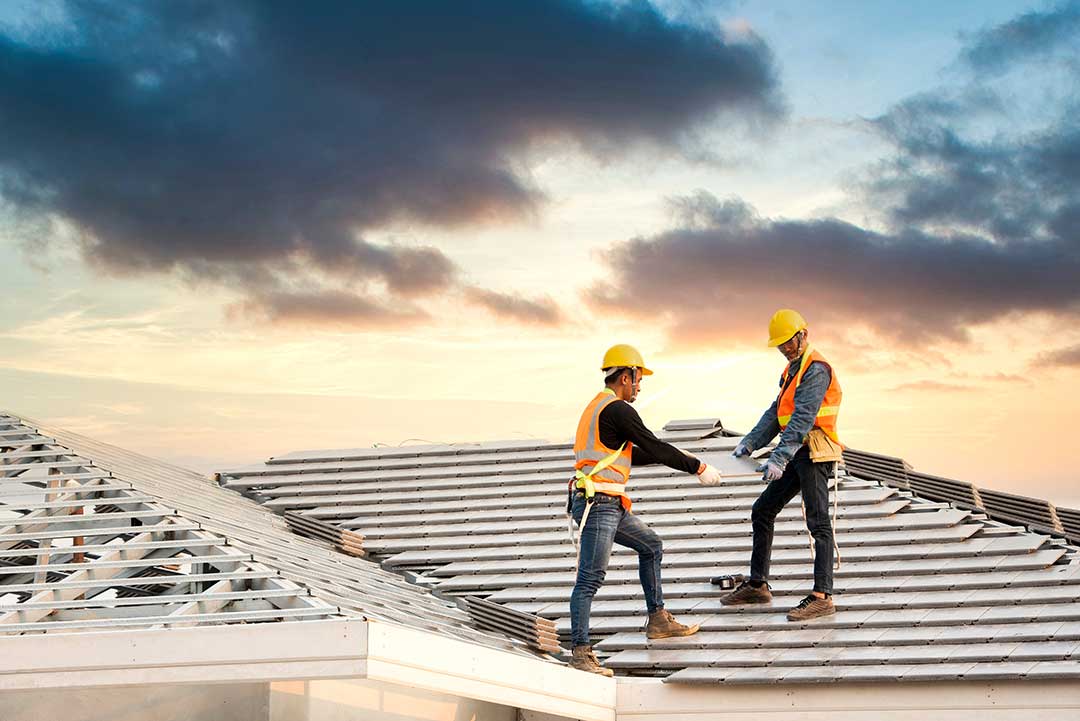
A flashlight inspection from the attic can sometimes reveal daylight, damp wood, staining, or wet insulation. The attic should be entered only if it can be done safely, with stable footing and adequate clearance from electrical equipment.
A roof should not be climbed merely to inspect a suspected impact. Wet shingles, steep slopes, frost, and hidden structural damage create fall hazards. Winter conditions in the area can make roof access especially unsafe.
Can a small dent cause a roof leak?
Yes, but not every dent leads to leakage. A shallow dent in a metal gutter may be cosmetic if water still flows correctly. A dent or crack near a seam, fastener, flashing joint, or roof penetration is more likely to create a water-entry problem.
The location matters as much as the size of the mark. A small puncture directly above an attic or finished room can cause more interior damage than a larger cosmetic mark in an open area.
Leaks may also appear later. Rain can travel along roof decking, rafters, insulation, or framing before becoming visible inside the home. For that reason, the first ceiling stain may not be directly below the impact point.
Are newer roofs less likely to be damaged?
Newer roofing materials are not impact-proof, but they may be less brittle and better able to tolerate ordinary weather exposure. Older shingles can become dry, stiff, and fragile after years of sun, temperature changes, snow, and ice.
Roof condition is especially relevant in a community with a mix of older homes and newer construction. A roof that has already lost granules, developed curled edges, or experienced previous storm damage may be more vulnerable to a relatively minor impact.
Material also makes a difference. Asphalt shingles, standing-seam metal, membrane roofing, and wood roofing respond differently to impact. Metal may dent without leaking, while a puncture at a seam or fastener can still be serious. Wood shakes may split, and membrane systems can suffer from tears or punctures that are not obvious from below.
What should be done after a ball hits the roof?
First, keep people away from the area where materials may have fallen. Then check the ground, gutters, attic, and upper-floor ceilings for obvious signs of damage without climbing onto the roof.
If rain is expected, move valuables away from any interior area showing moisture. A container can catch drips, but it should not be placed where it creates a tripping or electrical hazard. Do not seal an active leak by applying household caulk to a roof surface; that may conceal the problem while leaving damaged materials in place.
Professional evaluation is warranted when there is a puncture, an active leak, exposed decking, damaged flashing, a cracked skylight, or any condition requiring roof access. This is particularly true after snow, freezing rain, or strong wind, when temporary damage can worsen quickly.
How can sports-ball damage be prevented?
Prevention usually depends on changing where games or practice occur rather than modifying the roof. Useful measures include:
- Keep baseball, softball, hockey, and lacrosse practice away from the house.
- Avoid aiming shots toward rooflines, windows, skylights, or parked vehicles.
- Use softer training balls when appropriate for the activity and age group.
- Place portable goals and rebound equipment where missed shots cannot reach the home.
- Trim or manage play areas so children are not forced close to roof edges.
- Teach children that retrieving a ball from a roof is an adult safety issue, not a reason to climb.
A roof does not need to be struck directly to be affected. Balls can bounce off trees, fences, decks, and neighboring structures before reaching the house. Keeping play zones away from the building is usually more effective than relying on the roof to absorb repeated impacts.
