
Walking on a roof can cause serious injury, even when the roof looks dry, sturdy, and easy to reach. The safest approach is to avoid getting onto the roof unless the task truly requires it and the conditions, equipment, and roof design make access reasonably safe.
Is it safe to walk on a roof?
It may be possible to walk briefly on some roofs, but no roof should be treated like a normal walking surface. Roofing materials can be slippery, brittle, uneven, or weakened by age and moisture. A fall from a low roof can still cause severe injuries.
Risk increases with:
- Steep slopes
- Wet, frosted, icy, or snow-covered surfaces
- Moss, algae, leaves, or loose granules
- High winds
- Damaged shingles or exposed decking
- Skylights, roof openings, and fragile panels
- Unprotected edges
- Poor ladder placement or unstable ground
Many homes in Ithaca, NY experience freeze-thaw cycles, snow, rain, and wind that can change roof conditions quickly. A surface that appears safe from the ground may have hidden ice, weakened roofing, or loose debris.
Which roofs are easier to walk on?
Low-slope roofs with a broad, unobstructed surface are generally easier to navigate than steep roofs, but “easier” does not mean risk-free. Asphalt shingles, metal roofing, slate, and some membrane materials each require different handling.
A roof should not be walked on if the slope requires climbing rather than ordinary careful walking. A commonly used safety definition considers a roof steep when its slope is greater than 4 inches of rise for every 12 inches of horizontal distance. Steep roofing requires specialized fall protection and training, not simply better shoes.
Slate, clay tile, and aging roofing materials may crack under foot pressure. Metal roofs can become extremely slippery from dew, frost, or light rain. Even asphalt shingles can lose traction when damp or coated with loose granules.
What should be checked before stepping onto a roof?
Inspect the conditions from the ground first. Postpone access if there is any uncertainty about the roof surface or the weather.
Look for:
- Rain, frost, ice, or melting snow
- Wind strong enough to affect balance
- Sagging areas or visible dips
- Missing shingles, exposed underlayment, or damaged flashing
- Skylights or roof openings that may be difficult to see
- Power lines near the ladder or roof edge
- Tree branches that interfere with movement
- Loose debris, moss, or heavy leaf coverage
Never assume a roof is safe because someone walked on it previously. Seasonal weather, repeated foot traffic, and hidden water damage can change its condition.
Do not walk onto a roof during or immediately after a storm. In the local climate, early mornings and shaded roof sections can remain icy even when nearby pavement looks clear.
How should a ladder be used to reach a roof?
The ladder is often the most dangerous part of roof access. It should stand on firm, level ground, away from soft soil, ice, wet grass, and uneven paving. An extension ladder should be positioned at a safe angle, commonly about 75 degrees, and should extend above the roof edge enough to provide a stable handhold during the transition.
Before climbing:
- Inspect the rails, rungs, feet, locks, and hardware.
- Confirm that the ladder is long enough for the task.
- Keep the base clear of vehicles, doors, children, and pets.
- Face the ladder while climbing.
- Maintain three points of contact.
- Keep both hands available instead of carrying tools.
- Do not overreach or lean sideways.
A ladder leaning against gutters may damage the gutter and may not provide a reliable support point. The ladder can also slide, tip, or shift as a person steps from the rungs onto the roof. Moving from a ladder onto a roof requires particular caution because the body’s center of balance changes at the edge.
What is the safest way to walk on a roof?
If roof access is necessary and the surface is appropriate, move slowly and deliberately. Keep the body low enough to maintain balance without crouching so deeply that movement becomes awkward.
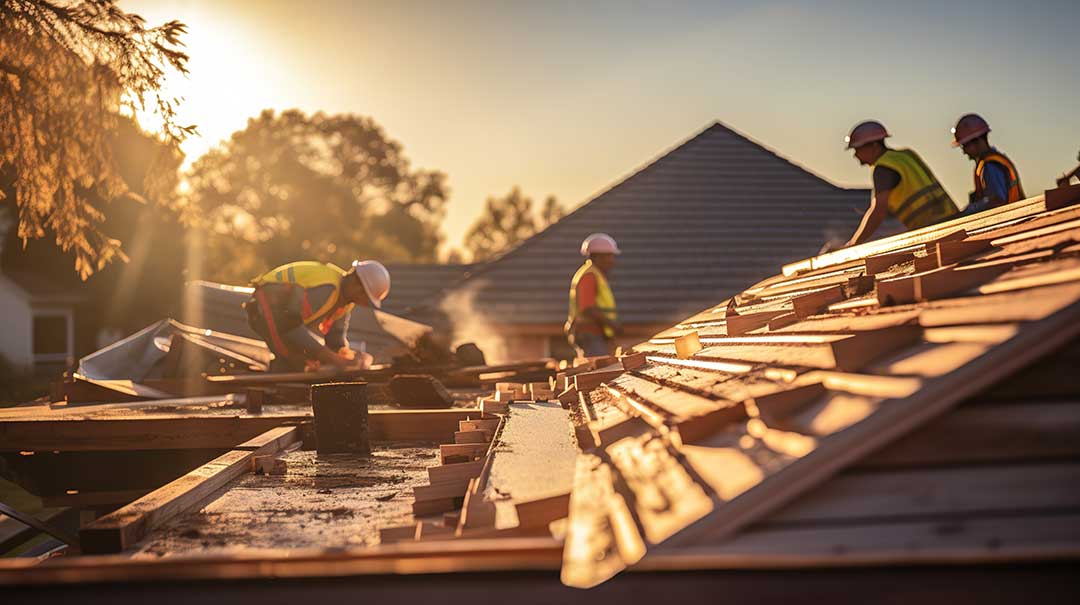
Use these practices:
- Wear clean, slip-resistant footwear with soles in good condition.
- Step on areas supported by rafters or trusses when their locations are known.
- Place each foot firmly before shifting weight.
- Walk with short steps rather than long strides.
- Keep your eyes on the path, not on the ground below.
- Avoid stepping on ridge caps, flashing, gutters, vents, and skylights.
- Keep tools in a belt or hoist them after reaching a safe position.
- Stay well away from roof edges unless appropriate fall protection is installed.
Do not jump across roof sections, walk backward, or turn quickly. Avoid kneeling on loose granules or dragging equipment across shingles. Foot traffic can shorten the life of some roofing materials, especially older or brittle shingles.
Can you walk on a roof with snow or ice?
No. Snow and ice should be treated as a reason to stay off the roof. Even a thin layer can conceal slick surfaces, damaged materials, or weak decking. Snow can also obscure roof edges, skylights, valleys, and changes in slope.
Removing snow from a roof is not automatically safer. Climbing onto the roof with a shovel can increase the risk of falling and can damage shingles or flashing. Snow loads may also affect the roof structure, particularly where snow has drifted or accumulated unevenly.
If snow or ice is creating a concern, observation from the ground is safer than attempting a close inspection without specialized equipment and fall protection.
Are roofs safe to walk on for inspections?
A brief visual check from a ladder, window, attic, or nearby ground location is often safer than walking the entire roof. Binoculars can help identify missing shingles, damaged flashing, clogged valleys, or displaced materials without adding foot traffic.
An attic inspection may reveal water stains, daylight through the roof deck, damp insulation, or sagging. These signs should not be used as a reason to step onto the roof. They indicate that the roof may have a structural or moisture-related problem.
Professional roof workers use equipment and procedures that may include roof anchors, guardrails, scaffolding, designated access paths, and personal fall-arrest systems. A rope tied to an ordinary chimney, vent, railing, or tree is not a dependable substitute for a properly designed fall-protection system.
When should you stay completely off the roof?
Stay off the roof if:
- The slope is steep or difficult to judge.
- The surface is wet, icy, snowy, or covered with debris.
- You cannot identify skylights or roof openings.
- The roof shows sagging, widespread damage, or soft spots.
- You lack a properly positioned ladder and fall-protection equipment.
- You are alone and could not summon help after a fall.
- You feel dizzy, unsteady, rushed, or uncomfortable with the height.
A roof inspection or repair may genuinely require trained assistance when fall hazards, structural damage, or fragile materials are present. The safest decision is often to gather information from the ground rather than turning a minor maintenance task into a fall emergency.
