
What is roof decking?
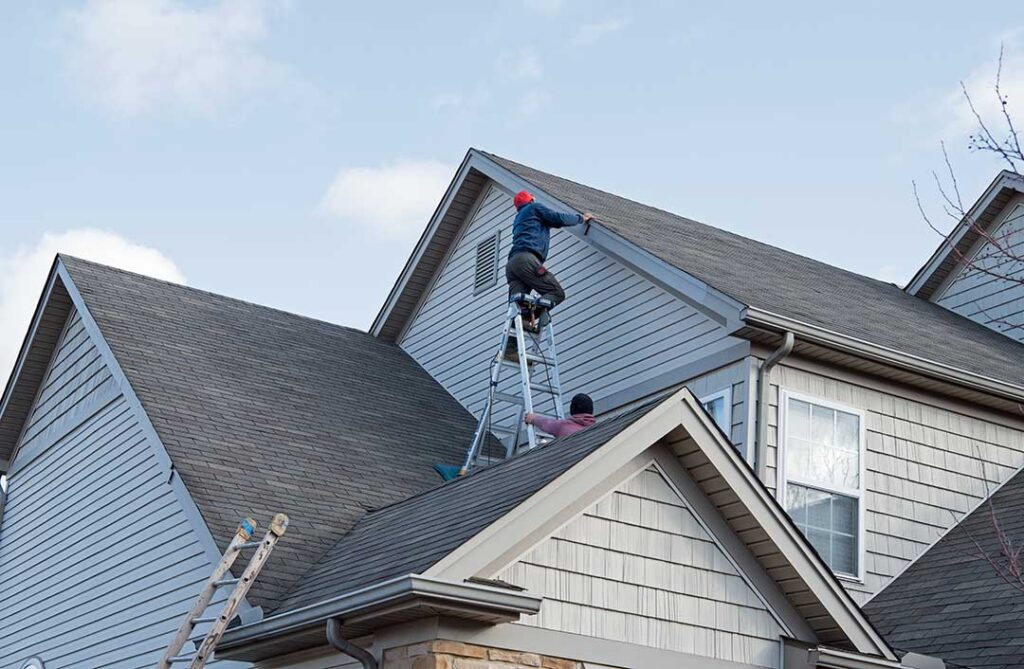
Roof decking is the structural layer installed over a building’s rafters or trusses and beneath the underlayment and roof covering. It creates the relatively continuous surface that supports shingles, metal panels, or other roofing materials.
In older homes, decking may consist of solid wood boards, sometimes called plank sheathing. Many newer roofs use wood structural panels, such as plywood or oriented strand board. The material and thickness depend on the roof design, framing spacing, local code requirements, and the loads the roof must carry.
The visible shingles are only one part of a roof assembly. Beneath them, a typical roof may include:
- Roof covering, such as asphalt shingles or metal panels
- Underlayment that provides an additional water-shedding layer
- Roof decking or sheathing
- Rafters or trusses that support the deck
- Insulation and ventilation components below the deck
Although decking is normally hidden, its condition affects the performance and service life of the entire roof.
Why does roof decking matter?
Roof decking distributes the weight of the roof covering and transfers loads to the rafters or trusses. It also provides the fastening surface for many roofing materials.
A sound deck should remain sufficiently flat, dry, and securely attached. If the decking has softened, warped, or deteriorated, roofing materials may not lie correctly or may not hold fasteners reliably. This can contribute to loose shingles, uneven roof surfaces, water entry, and premature roof failure.
The deck also plays a role during construction and maintenance. Workers generally rely on it for safe footing, although no roof surface should be assumed safe without proper precautions. A weakened deck can create hidden fall hazards, particularly around areas affected by long-term leaks.
What materials are commonly used?
Plywood and oriented strand board are common forms of wood structural panel decking. Both are manufactured in sheets and installed across the roof framing. Their performance depends on proper thickness, spacing, fastening, and protection from prolonged moisture.
Older houses may have individual boards running across the rafters. These boards can remain serviceable for many decades if they have stayed dry and structurally sound. However, age alone does not determine whether replacement is necessary.
Some roofs use tongue-and-groove planking or other specialty systems. Certain historic homes may also have decking dimensions and framing arrangements that differ from current construction practices. That does not automatically mean the roof is unsafe, but repairs need to account for the existing structure rather than assuming every roof was built the same way.
How does decking become damaged?
Most roof-deck damage is related to moisture. A small leak around a flashing, chimney, vent, valley, or roof edge may continue unnoticed for a long period before the deck shows visible signs of deterioration.
Common causes include:
- Repeated leaks beneath damaged or displaced roofing
- Ice dams that allow water to move beneath the roof covering
- Condensation caused by inadequate attic ventilation or air leakage
- Snow and wind exposure that loosen roofing materials
- Improperly installed fasteners or penetrations
- High indoor humidity entering a cold attic
- Plumbing or mechanical leaks near roof penetrations
Ithaca’s cold winters, freeze-thaw cycles, and periods of heavy snow can place added stress on roofing systems. Snow itself is not automatically damaging, but repeated wetting, freezing, thawing, and refreezing can expose weak points in the roof assembly.
What are the signs of damaged roof decking?
Some signs can be noticed from the attic or living space, while others become apparent only after the roof covering is removed.
From inside the building, warning signs may include:
- Dark stains or water marks on the underside of the deck
- Soft, crumbly, or visibly deteriorated wood
- Musty odors in the attic
- Daylight visible through unexpected openings
- Sagging between rafters or trusses
- Rusted fasteners or damp insulation
- Mold-like growth associated with ongoing moisture
From outside, a wavy roof surface may suggest problems with decking, framing, or the roof covering. However, a wavy appearance does not identify the exact cause by itself. Older boards may naturally vary in thickness, and some roofing materials can appear uneven even when the deck is sound.
A roof inspection from the attic is often useful because it can reveal the underside of the decking without removing the roof covering. It may not identify every problem, especially when damage is limited to concealed areas.
Does a roof replacement always require new decking?
No. Roof decking does not automatically need to be replaced every time the shingles or other roof covering is replaced.
If the existing deck is dry, structurally sound, adequately fastened, and suitable for the new roofing system, it may be possible to leave it in place. The condition must be evaluated across the roof rather than judged from one visible area.
Replacement or repair becomes more likely when decking is:
- Water-soaked or rotted
- Delaminated or swollen
- Broken, badly warped, or sagging
- Too thin or poorly supported for the proposed roof system
- Unable to hold roofing fasteners securely
- Covered by conditions that prevent proper installation
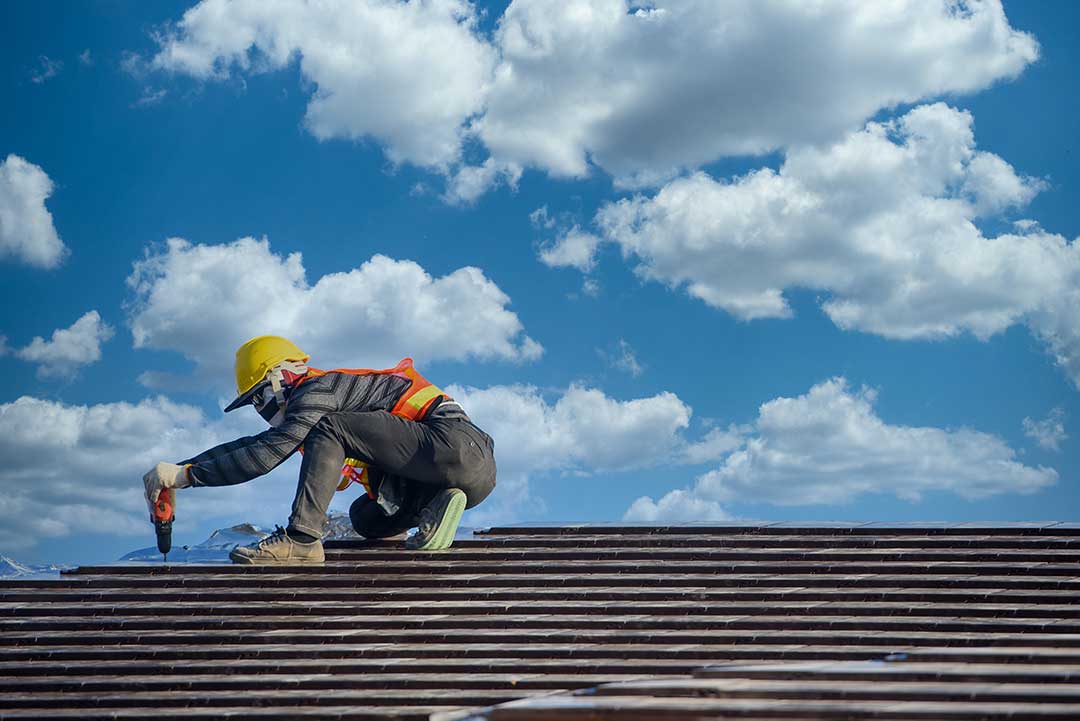
Some limited damage can be addressed with individual panel or board replacements. Widespread deterioration may require more extensive removal. The decision should account for structural condition, roof design, code requirements, and the type of new roof covering.
Can new shingles be installed over damaged decking?
Roofing materials should not be installed over decking that cannot provide a stable, secure base. Covering damaged wood may hide the problem temporarily, but it does not restore the deck’s structural capacity.
A deck that is only slightly uneven is not necessarily defective. The more significant concerns are moisture damage, loss of strength, movement, inadequate fastening, and surfaces that prevent the roof covering from being installed according to its requirements.
New York’s residential construction requirements address roof sheathing, fastening, underlayment, and roof-covering installation. Existing homes may have been built under earlier versions of the code, so replacement work must be evaluated in the context of the current project and applicable requirements.
How do ice dams affect roof decking?
An ice dam forms when snow melts on a warmer section of the roof and refreezes near a colder eave. The resulting ice can obstruct normal drainage and allow water to move beneath the roof covering.
If this happens repeatedly, moisture may reach the decking and cause staining, swelling, decay, or loss of adhesion in nearby materials. Ice dams are often connected to heat loss, uneven attic temperatures, air leakage, insulation gaps, ventilation limitations, or a combination of these conditions.
Removing visible ice without addressing the conditions that allow it to form may not prevent future damage. Roof-edge details, attic airflow, insulation, and interior moisture levels all deserve consideration.
What should homeowners ask about roof decking?
Useful questions include:
- Is the existing deck made of boards, plywood, or another panel material?
- Are there areas with rot, swelling, delamination, or inadequate fastening?
- Is the observed damage active, historical, or related to condensation?
- How much decking requires repair or replacement?
- Will the new roof covering require a specific deck condition or underlayment?
- Are roof penetrations, valleys, and edges contributing to moisture entry?
- Does the attic show signs of poor ventilation or air leakage?
- Are permits or inspections required for the planned work?
Photographs taken after roofing materials are removed can help document concealed conditions. They are especially useful when a repair decision depends on damage that was not visible from the ground or attic.
When is decking damage an urgent concern?
Prompt attention is warranted when the roof is actively leaking, the deck visibly sags, structural wood feels soft, daylight enters through unexpected openings, or a ceiling shows expanding water damage. Electrical wiring, insulation, and interior finishes may also be affected by persistent moisture.
Avoid walking on questionable roof areas or entering spaces with unstable surfaces. A small stain does not always indicate a minor problem, and a dry surface does not prove that the underlying wood has recovered. Once wood decking has lost significant strength, drying alone will not restore it.
Understanding the deck beneath the roof covering makes it easier to interpret inspection findings and distinguish ordinary roof wear from conditions that affect the structure itself.
