
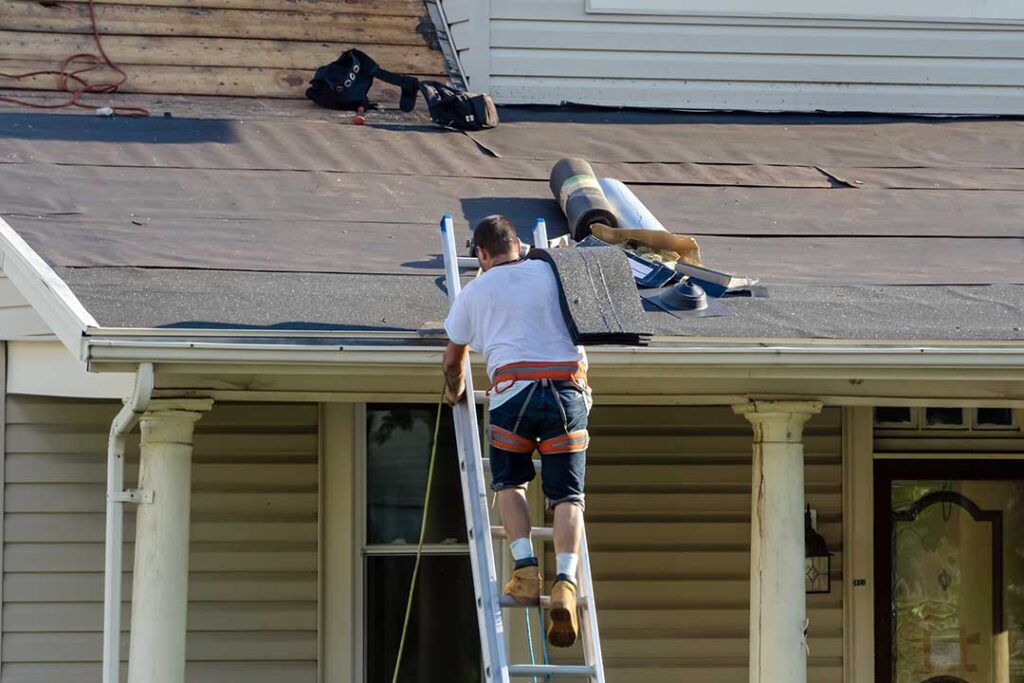
Roof damage is not caused only by wind, snow, age, or fallen branches. Animals can also weaken roofing materials, block drainage, create moisture problems, and damage insulation or ventilation systems. In Ithaca, NY, seasonal temperature changes, heavy precipitation, wooded neighborhoods, and older housing can make these issues easier to overlook.
Most animal-related roof damage begins with a small opening, repeated movement, or trapped organic material. Left unaddressed, a minor intrusion can develop into leaks, rot, pest activity, or premature roof deterioration.
Which animals commonly damage roofs?
Squirrels, raccoons, bats, birds, mice, and insects are among the animals most likely to affect residential roofing. Household pets can also cause damage if they regularly access low-slope roofs, porch roofs, or enclosed attic areas.
Common entry points include:
- Loose or missing shingles
- Gaps around vents, pipes, and chimneys
- Damaged soffits and fascia
- Unscreened ridge or gable vents
- Openings at roof edges
- Deteriorated flashing
- Gaps beneath poorly secured metal coverings
Squirrels may gnaw through wood, fascia, and some roofing components. Raccoons can enlarge openings while searching for shelter. Birds often build nests beneath eaves or inside vents, while bats and mice may enter through gaps too small to attract immediate attention.
How do animals create roof leaks?
Animals can cause leaks directly by disturbing roofing materials or indirectly by creating conditions that allow water to enter. A lifted shingle, damaged flashing joint, or torn vent screen may appear minor, but wind-driven rain can force water through the opening.
Nesting materials can also interfere with drainage. Leaves, twigs, feathers, and other debris may collect near valleys, gutters, roof edges, or plumbing vents. During rain or snowmelt, blocked water pathways can cause water to back up beneath shingles or overflow onto fascia and siding.
Repeated animal activity may loosen fasteners and disturb protective layers beneath the visible roof surface. Scratching and chewing can damage underlayment, wood decking, insulation, and wiring. By the time staining appears on a ceiling, the original entry point may be difficult to identify.
Can animals damage shingles, flashing, and roof decking?
Yes. Shingles can be cracked, lifted, torn, or displaced by claws and repeated movement. Animals moving along steep or brittle roofing may also break older shingles that have become less flexible with age.
Flashing around chimneys, sidewalls, skylights, and roof penetrations is especially vulnerable. If an animal bends or pulls at a loose section, water may enter behind the flashing even if the surrounding shingles look intact.
Roof decking is at greater risk when moisture and animal activity occur together. A persistent leak can soften wood, while nesting, gnawing, or repeated entry can enlarge the damaged area. Soft decking may eventually affect the way shingles lie flat and can reduce the roof’s ability to support normal loads.
What problems occur inside attics?
Animal activity in an attic can create problems beyond the roof covering. Nests and droppings may contaminate insulation and restrict airflow. Damaged insulation can lose effectiveness, contributing to colder rooms, higher heating demand, and uneven indoor temperatures.
Animals may also chew electrical wiring, flexible ventilation ducts, and vapor-control materials. A damaged wire is a potential fire hazard, while a blocked or torn ventilation duct can increase moisture levels in the attic.
Moisture from condensation, leaks, or animal waste can contribute to mold growth and wood decay. In a cold-weather climate, poor attic ventilation and indoor humidity may also lead to frost accumulation or ice-related moisture problems. Animal entry can make these existing conditions more severe.
How can residents tell if animals are affecting the roof?
Some signs are visible from the ground, while others require attention inside the home. Warning signs may include:
- Scratching, rustling, or movement sounds above ceilings
- Birds entering or leaving roof vents
- Damaged soffits, fascia, or vent screens
- Shingles that appear lifted or disturbed
- Droppings near roof edges, attic insulation, or chimney areas
- Strong odors from an attic or enclosed roof space
- Nesting material near gutters or vents
- Daylight visible through attic roof edges
- New stains, damp insulation, or peeling ceiling paint
- Repeated animal activity in the same area
Sounds alone do not always identify the animal. Nocturnal movement may suggest one type of wildlife, while daytime activity may suggest another, but timing can vary. A careful inspection of entry points, nesting material, droppings, and damage patterns provides more useful information.
Why are roof edges and vents common entry points?
Roof edges and ventilation openings combine shelter, warmth, and accessible gaps. Fascia and soffits may deteriorate from age or moisture, leaving openings where animals can enter. Vents can also become vulnerable if screens are torn, corroded, or missing.
In older homes, roof additions, enclosed porches, and irregular rooflines may create concealed areas that are difficult to inspect from the ground. Snow, ice, and freeze-thaw cycles can further loosen trim and flashing, especially where water repeatedly enters small defects.
A secure vent must allow air movement while preventing animal access. Blocking a vent completely is not a safe solution because roof ventilation helps control heat and moisture in the attic.
Should an entry hole be sealed immediately?
A suspected opening should not be sealed until it is reasonably clear that no animal, nest, or dependent young remains inside. Sealing an active entry point can trap animals in the attic or force them to create a new opening.
Wildlife removal may also be subject to seasonal restrictions and humane-handling requirements. The safest approach depends on the species, location of the nest, and condition of the roof. If electrical wiring, unstable decking, contaminated insulation, or a steep roof is involved, attempting the work without proper safety equipment can create additional hazards.
After the animal issue is resolved, the opening should be repaired with materials suited to the roof assembly. Temporary coverings may limit water entry briefly but are not a substitute for restoring damaged flashing, trim, shingles, or decking.
How can animal-related roof damage be prevented?
Prevention begins with routine observation and maintenance. Residents can reduce risk by keeping tree limbs from providing easy access to the roof, maintaining sound roof-edge materials, and ensuring that vents are properly screened without restricting airflow.
Helpful practices include:
- Inspecting soffits, fascia, and roof penetrations each spring and fall
- Keeping gutters and valleys clear of nests and organic debris
- Replacing damaged vent screens and deteriorated trim
- Checking attic spaces for light, odors, droppings, and damp insulation
- Trimming branches that allow animals to reach the roof
- Storing food waste and bird feed away from building edges
- Avoiding roof access for pets unless the surface is designed for it
- Addressing small leaks before they soften roof decking
Seasonal checks are particularly useful after winter. Snow, ice, wind, and animal activity may all affect the same vulnerable areas, and damage can remain hidden until spring rain exposes it.
When is animal-related damage a safety concern?
Animal damage requires prompt attention when there is active water entry, exposed wiring, structural softness, contaminated insulation, or an animal trapped inside the building. A sagging roof area, strong electrical odor, or ceiling bulge indicates a condition that should not be disturbed casually.
Residents should avoid entering confined attic areas without appropriate protection, particularly where droppings, weakened flooring, or aggressive wildlife may be present. Roof surfaces can also be slippery or unstable after rain, frost, or snow.
The most effective response is usually a sequence: identify the animal and entry route, address the wildlife safely, inspect for moisture and structural damage, and then restore the roof and ventilation system so the opening does not recur.
