
How can a homeowner tell whether a roof needs replacement?
A roof usually needs replacement when its age, condition, and history show that repairs will no longer provide dependable protection. The clearest warning signs are widespread shingle deterioration, recurring leaks, sagging, persistent moisture problems, or damage across large sections of the roof.
A few missing shingles do not automatically mean the entire roof must be replaced. Roof replacement becomes more likely when several problems appear together or when the roofing system is approaching the end of its expected service life.
For homeowners in Ithaca, NY, seasonal weather can expose weaknesses gradually. Repeated freeze-thaw cycles, snow, wind, ice buildup, heavy rain, and shaded areas that dry slowly can all affect roofing materials over time.
How old is too old for a roof?
Age is a useful starting point, but it is not the only deciding factor. Many asphalt shingle roofs last roughly 15 to 30 years, depending on material quality, installation, ventilation, roof slope, maintenance, weather exposure, and the number of previous repairs.
A roof near the upper end of its expected life may still appear acceptable from the ground while having weakened underlayment, brittle shingles, deteriorated flashing, or reduced resistance to wind and water.
Age deserves closer attention when:
- The roof is more than 20 years old and has not been thoroughly evaluated.
- Repairs have become more frequent.
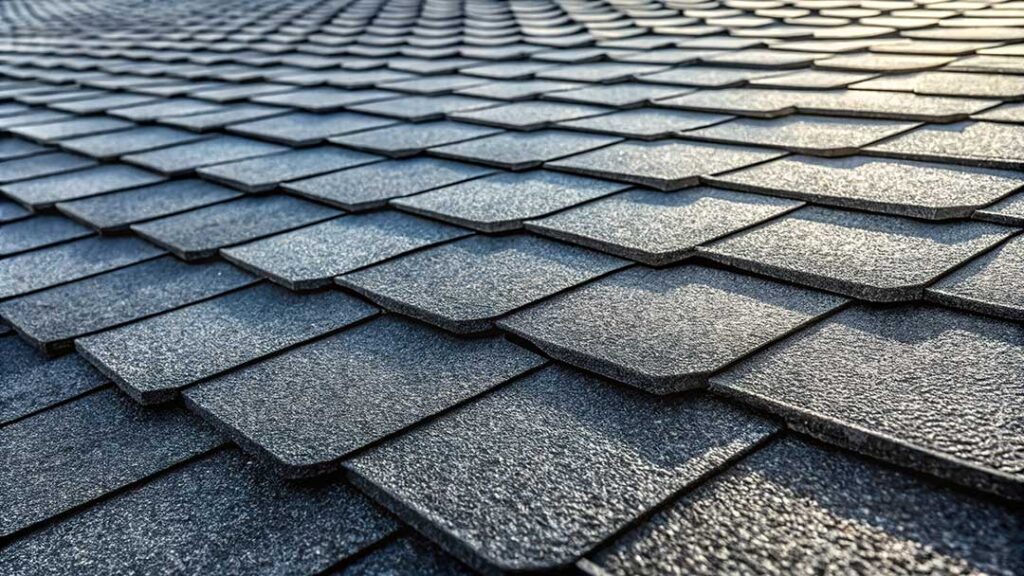
- Shingles are cracking, curling, blistering, or losing large amounts of surface granules.
- A major storm has affected an aging roof.
- The roof has experienced long-term moisture, poor ventilation, or recurring ice buildup.
If the installation date is unknown, property records, previous inspection reports, or visible layers at an exposed roof edge may help establish an approximate age. A roof with several layers may also be older than it appears.
Which visible shingle problems indicate replacement?
Shingle damage across a broad area is more concerning than an isolated defect. Replacement may be appropriate when shingles are failing throughout the roof rather than only in one small location.
Common signs include:
- Curling or buckling shingles
- Cracked, split, or badly distorted shingles
- Missing shingles or exposed underlayment
- Bald patches where protective granules have worn away
- Shingle edges that are lifting
- Dark streaks or moss covering substantial areas
- Granules collecting in gutters or near downspouts
- Uneven sections that suggest movement beneath the shingles
Granule loss alone does not always mean immediate replacement. Some granules are normally released during installation and early weathering. However, heavy granule accumulation combined with brittle, thin, or deteriorating shingles suggests that the roof is losing its protective surface.
Moss and algae also require careful interpretation. Surface growth is not automatically proof of structural failure, but moss can hold moisture against shingles and may lift their edges. Areas that remain shaded and damp deserve closer observation, especially after winter.
Are roof leaks a sign that the whole roof must be replaced?
A leak does not automatically require a full replacement. Some leaks result from damaged flashing, a failed pipe boot, a blocked drainage path, or a small area of storm damage that can be isolated and repaired.
Replacement becomes more likely when leaks are recurring, widespread, or connected to aging materials. Warning signs include water stains in multiple rooms, damp insulation, peeling ceiling paint, musty odors, or repeated leaks after repairs.
The visible location of a ceiling stain may not match the entry point on the roof. Water can travel along rafters, roof decking, insulation, or framing before appearing indoors. For that reason, painting over a stain without finding the source does not solve the problem.
After a leak, the affected attic or ceiling area should be checked for wet insulation, softened wood, mold growth, and damage to electrical components. Active water near electrical wiring presents a safety concern.
What does roof decking damage look like?
Roof decking is the structural surface beneath the shingles and underlayment. If it becomes weak from long-term moisture, the roof may need more than a surface repair.
Possible signs of damaged decking include:
- Sagging between rafters
- Soft or spongy areas underfoot in an attic
- Water stains or darkened wood
- Visible daylight around roof penetrations
- A wavy or uneven roof surface
- Nails or fasteners pulling loose
- Persistent attic odors associated with dampness
Not every uneven area means the decking has failed. Some irregularities come from older framing or installation issues. Still, sagging or soft wood should not be ignored because structural deterioration can worsen under snow and saturated conditions.
Does storm damage mean immediate roof replacement?
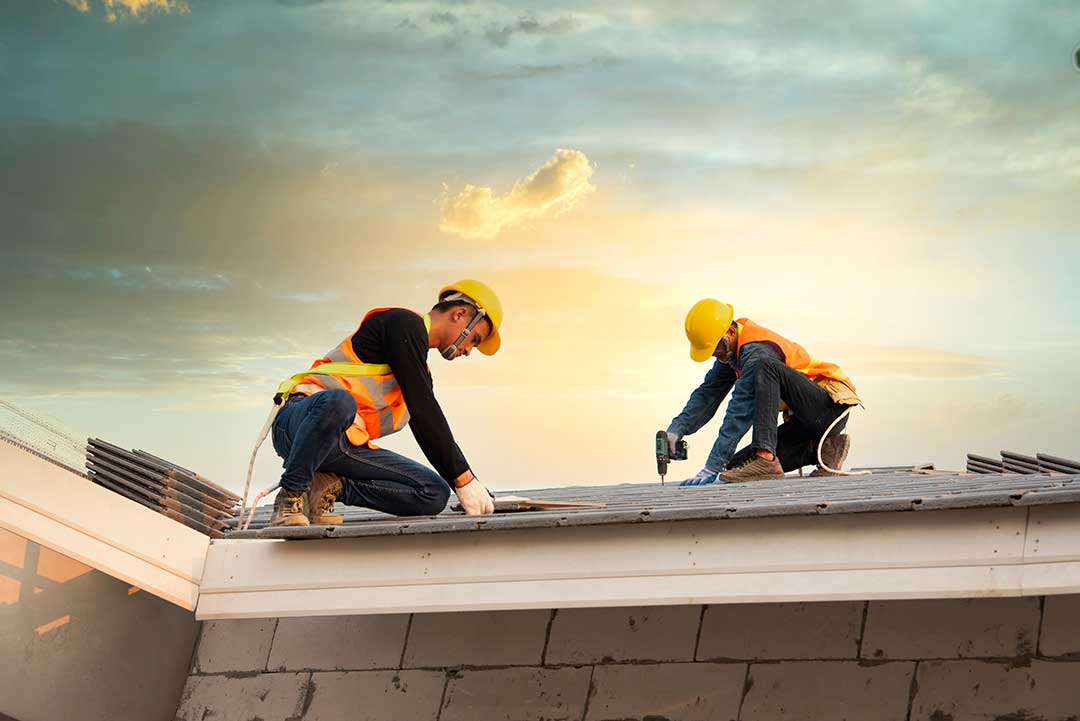
Wind, hail, falling branches, and heavy snow can damage a roof without making the problem obvious from the ground. Missing shingles, lifted tabs, exposed underlayment, dented metal components, and damaged flashing should be documented and evaluated promptly.
Emergency action may be needed when:
- Water is actively entering the home.
- A tree or large branch has struck the roof.
- The roof has a large open area.
- Shingles or metal pieces are loose and could fall.
- A section of the roof has collapsed or visibly sagged.
Temporary protection may limit additional water entry, but it is not a permanent repair. Do not climb onto a wet, icy, steep, or visibly unstable roof. Winter conditions can make even minor inspection work hazardous.
How do attic ventilation and insulation affect roof life?
Poor attic ventilation can shorten roof life by allowing heat and moisture to accumulate. During winter, warm air escaping into the attic can contribute to condensation and uneven snow melting. Water may refreeze near colder roof edges, increasing the risk of ice dams.
A healthy attic generally needs balanced intake and exhaust ventilation, along with properly installed insulation and air sealing. Ventilation alone cannot correct every moisture problem. Bathroom or kitchen exhaust that vents into the attic, gaps around ceiling fixtures, and inadequate insulation can all add moisture.
Signs of attic-related trouble include:
- Frost or condensation on the underside of the roof deck
- Damp insulation
- Mold-like staining
- Rusted fasteners
- Ice dams that return each winter
- Rooms that are unusually hot in summer or cold in winter
Improving ventilation may extend the life of a roof that is otherwise sound, but it will not restore shingles that are already brittle or decking that has deteriorated.
Is it better to repair or replace the roof?
Repair is usually reasonable when the roof is relatively young, the damage is limited, and the surrounding materials remain in good condition. Replacement is generally more practical when the roof is old, defects are widespread, leaks keep returning, or repairs would only postpone larger work.
A useful decision framework is to ask:
1. How old is the roof?
2. Is the damage isolated or spread across multiple slopes?
3. Has water reached the decking, insulation, or framing?
4. Are similar repairs becoming more frequent?
5. Will the repair address the cause or only the visible symptom?
6. Is the roof likely to withstand several more Ithaca winters?
The least expensive short-term option is not always the least expensive long-term option. Repeated repairs on an aging roof can add up while leaving other weak areas untouched. On the other hand, replacing a roof solely because of one repairable defect may be unnecessary.
When should a roof be evaluated?
A roof should be evaluated after a significant storm, when leaks appear, before buying or selling a home, and whenever visible deterioration is widespread. An evaluation is also sensible when the roof’s age is unknown or when attic moisture problems keep returning.
Documentation helps. Keep records of repairs, leaks, storm events, and any areas that have been patched. Photographing visible damage from the ground can also help track changes over time.
For homes with steep slopes, fragile materials, active leaks, structural concerns, or winter ice, roof access should be left to someone equipped to work safely. The goal is to identify whether the roof can be maintained, needs targeted repair, or has reached the point where replacement offers more dependable protection.
