
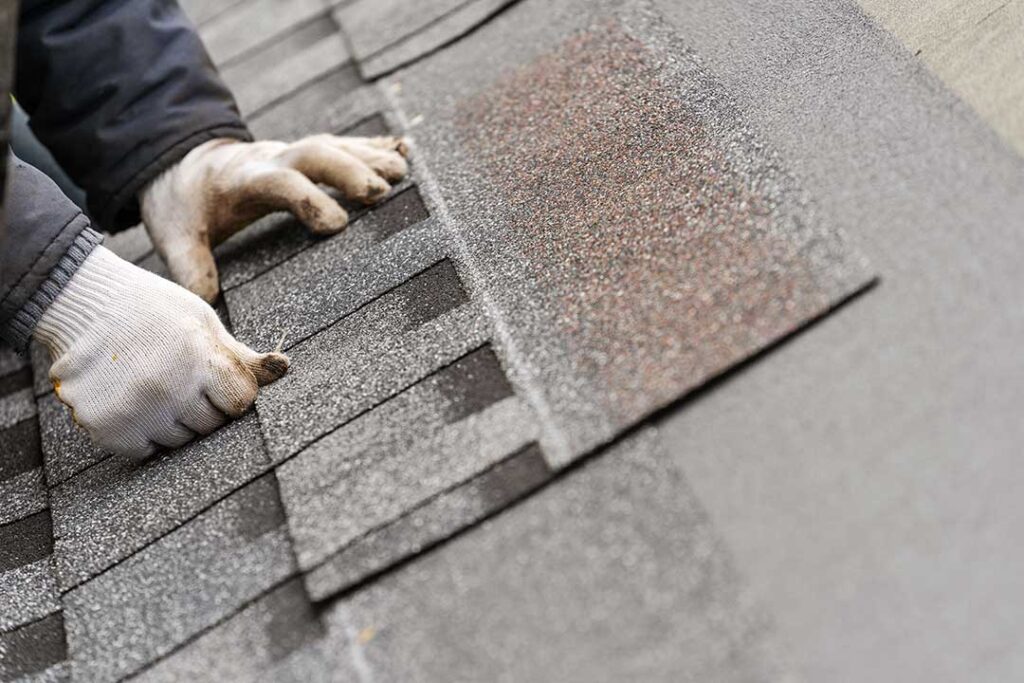
What do curling and cracking shingles mean?
Curling and cracking are signs that asphalt shingles are losing their ability to shed water and protect the roof beneath them. A few damaged shingles may be repairable, but widespread deterioration usually indicates that the roof is nearing the end of its useful service life.
Curling occurs when shingle edges or corners lift away from the roof surface. Cracking appears as splits, lines, or breaks across the shingle material. Both conditions can allow wind-driven rain to reach the underlayment, roof decking, flashing, and eventually the attic or living space.
A roof does not have to leak visibly to be failing. Water may first enter around fasteners, seams, vents, chimneys, or curled edges and remain hidden until stains, odors, or rot develop.
Why do shingles curl and crack?
Several factors can contribute to shingle damage, and more than one may be present at the same time.
Age and normal material breakdown
Asphalt shingles gradually lose flexibility and protective oils. With age, they become more brittle and less able to expand and contract through seasonal temperature changes. Edges may curl upward, while the surface develops cracks or loses its protective granules.
The expected service life varies with shingle quality, installation, ventilation, roof pitch, weather exposure, and maintenance. A roof that appears acceptable from the ground may still have brittle shingles that break easily under foot traffic or during strong wind.
Temperature changes
Repeated expansion and contraction can stress roofing materials. In Ithaca, seasonal changes bring freezing temperatures, snow, ice, rain, and periods of summer heat. These cycles can cause older shingles to stiffen, split, or pull away from the roof surface.
Dark roof surfaces can also become much warmer than the surrounding air during sunny weather. Rapid changes from warm daytime conditions to cold nighttime temperatures add additional movement.
Moisture and freeze-thaw conditions
Moisture can enter small cracks or weak points. If that water freezes, it expands and may widen the opening. Repeated freeze-thaw cycles can gradually damage shingles, exposed wood, flashing, and sealant.
Snow and ice do not automatically mean a roof is failing, but prolonged moisture exposure can reveal existing weaknesses. Poor drainage, blocked valleys, and shaded areas that stay damp are more likely to develop problems.
Inadequate attic ventilation
Roof ventilation helps control heat and moisture in the attic. Excess heat can accelerate shingle aging, while trapped moisture can contribute to damp insulation, mold growth, wood deterioration, and uneven roof temperatures.
Ventilation problems are not always visible from outside. Signs may include frost or condensation in the attic during winter, unusually hot attic air in summer, damp insulation, or shingles that are aging faster than expected.
Installation problems
Shingles may curl or crack prematurely if they were improperly fastened, installed over an uneven surface, applied during unsuitable weather, or placed over multiple existing roof layers. Misaligned courses, exposed nails, insufficient adhesive bonding, and poor ventilation can also shorten roof life.
Premature damage does not always mean the shingles themselves were defective. The underlying roof assembly and installation conditions also matter.
How can you tell whether the damage is serious?
The pattern, location, and extent of the damage are more useful than a single cracked shingle.
Minor concerns may include:
- One or two damaged shingles after a windstorm
- Limited edge lifting on an otherwise flexible roof
- Small cracks that have not affected nearby flashing or roof penetrations
- A few missing granules without exposed fiberglass or exposed nails
More serious warning signs include:
- Curling across multiple roof slopes
- Shingles that are brittle, fractured, or breaking apart
- Missing shingles or large areas of exposed underlayment
- Granules collecting heavily in gutters or at downspout outlets
- Dark streaks, damp insulation, or daylight visible in the attic
- Water stains on ceilings or upper walls
- Soft or spongy roof decking
- Damage around chimneys, skylights, plumbing vents, or roof valleys
Widespread curling and cracking usually cannot be corrected with surface sealant. A patch may stop a specific leak temporarily, but it will not restore brittle shingles across the rest of the roof.
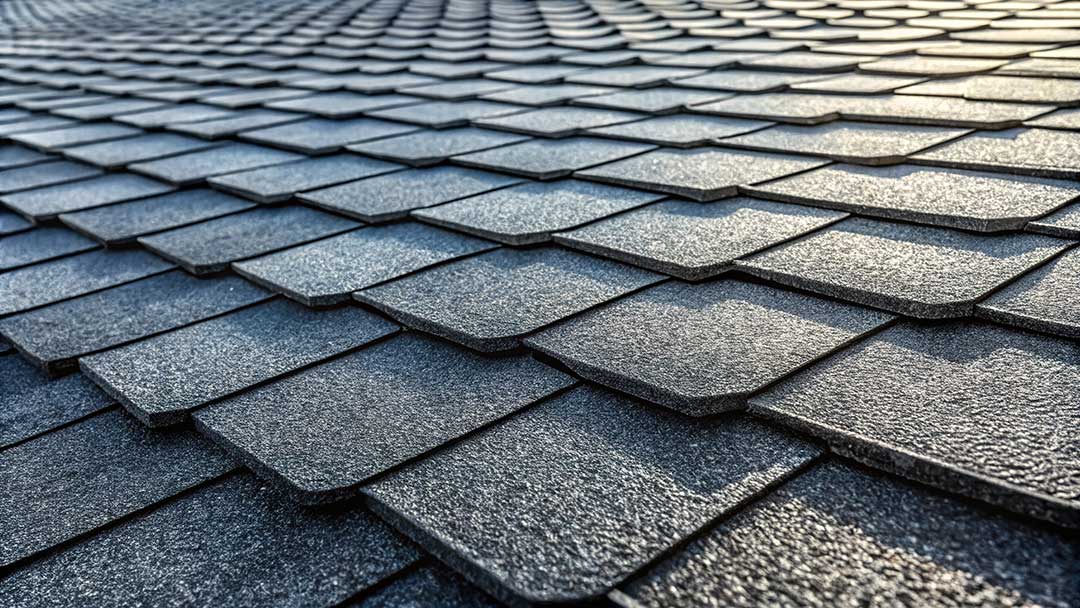
Can curled or cracked shingles be repaired?
Some isolated damage can be repaired if the surrounding shingles are still in good condition. A repair may involve replacing individual shingles, securing a lifted edge, correcting exposed fasteners, or repairing damaged flashing.
Repairs are less dependable when the shingles are old, brittle, or no longer bonding properly. Attempting to flatten curled shingles can break them, especially in cold weather. Walking on damaged areas can also create additional cracks and dislodge protective granules.
Roof work carries fall and electrical hazards. Steep slopes, wet surfaces, snow, ice, and roofs near overhead utility lines require particular caution. From the ground, binoculars can help identify problems without climbing.
Should a roof be replaced because of curling or cracking?
Replacement is more likely when damage is widespread, recurring, or accompanied by leaks and deteriorated roof decking. A roof may also need replacement when shingles have become too brittle to remove or repair without causing additional damage.
A useful evaluation considers:
- The roof’s approximate age
- Whether damage is isolated or present across several slopes
- The condition of flashing, valleys, vents, and chimney areas
- The amount of granule loss
- Attic ventilation and moisture conditions
- The condition of the roof deck
- Whether previous repairs have been repeated in the same locations
A roof with a few damaged shingles may have years of service remaining. A roof with extensive curling, cracking, bald patches, and recurring leaks may be beyond practical repair even if some shingles still look intact.
What should be done after noticing damage?
Start with a visual inspection from the ground and check the attic if it is safely accessible. Look for wet insulation, staining, musty odors, mold-like growth, rusted fasteners, or daylight entering through the roof boards.
After heavy wind, inspect the yard and gutters for loose shingle pieces. Do not assume missing pieces came from the roof; older debris may have collected gradually. Photographs taken from safe locations can help document changes over time.
If water is entering the home, protect furnishings and carefully contain drips, but avoid placing containers beneath electrical fixtures. Ceiling bulges should not be punctured unless there is no safer option and electrical hazards have been ruled out.
Temporary coverings may limit water entry during an active leak, but they must be installed securely and safely. Improperly placed tarps can trap moisture, damage shingles, or become dangerous in wind.
How can future shingle damage be reduced?
Routine observation is especially useful before and after winter. Keep gutters and drainage paths clear, trim branches that rub against the roof, and watch for moss or persistent dampness in shaded areas. Avoid pressure washing shingles, since forceful water can remove granules and drive moisture beneath the roofing.
Attic insulation and ventilation should work together. Adding insulation without considering airflow can trap moisture, while blocked soffit vents can reduce ventilation effectiveness. Any correction should preserve a continuous path for air movement from the lower roof edge toward the upper vents.
After major storms, check for missing shingles, lifted flashing, and fallen branches. Early attention can prevent a small opening from becoming concealed water damage during the next period of rain, snow, or freezing weather.
