
What should homeowners check before winter arrives?
Preparing a roof for winter means identifying weak points before snow, ice, wind, and freeze-thaw cycles place extra stress on the roofing system. In Ithaca, NY, changing temperatures can be especially hard on roofs because snow may melt during the day, refreeze overnight, and create repeated movement of water and ice.
A useful inspection should cover the roof surface, flashing, gutters, attic, insulation, ventilation, and areas inside the home that could reveal early water intrusion. The goal is not to make every roof look new. It is to find conditions that could become more serious once access is limited by snow or ice.
How can you inspect the roof safely?
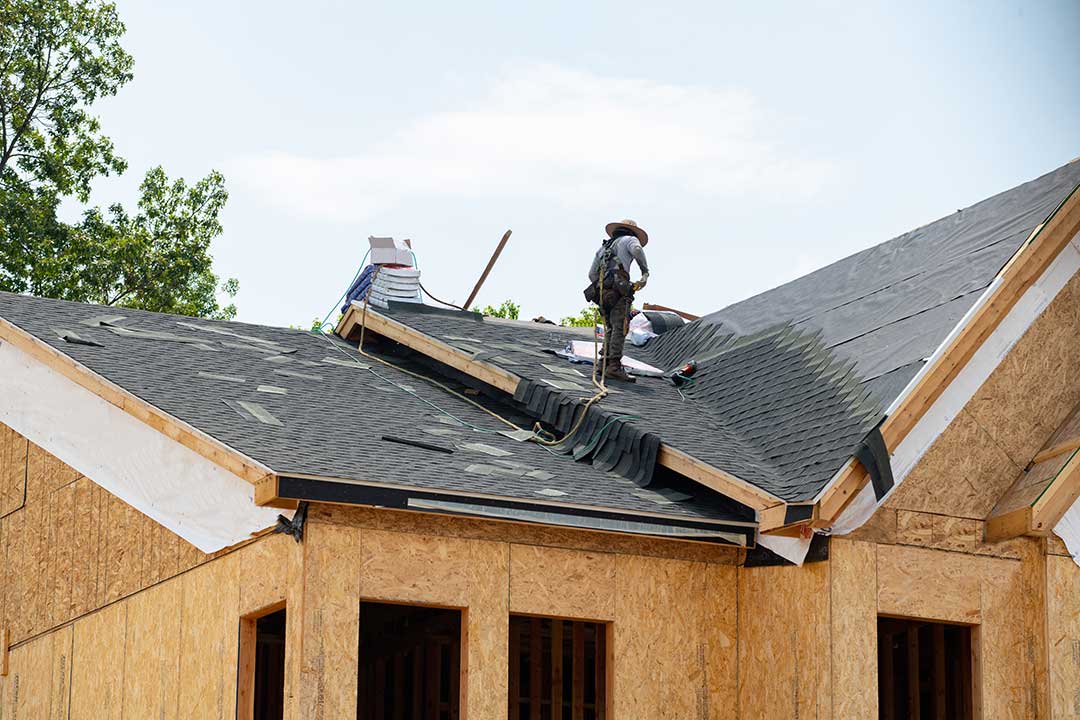
A roof inspection does not require walking on the shingles. From the ground, use binoculars to look for missing, cracked, curled, or visibly loose shingles. Check whether any sections appear uneven or sagging. Pay attention to roof edges, valleys, plumbing penetrations, chimneys, skylights, and areas where different roof planes meet.
Look for:
- Shingles that are missing, lifted, or damaged
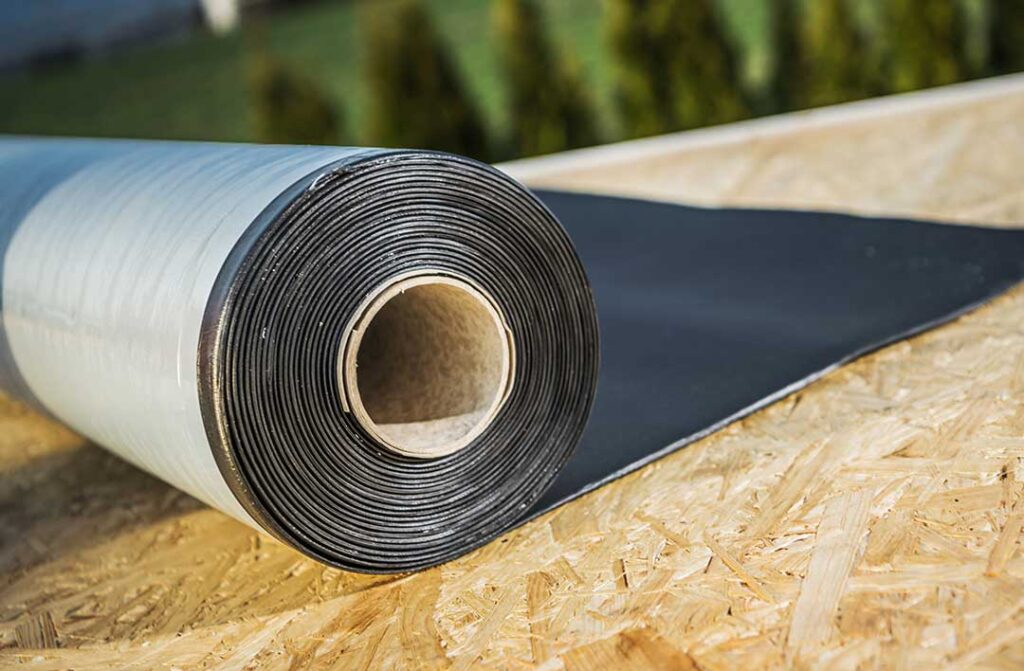
- Exposed underlayment or roof decking
- Loose or deteriorated flashing
- Accumulated moss or debris
- Sagging roof lines
- Gutters pulling away from the house
- Downspouts that discharge next to the foundation
- Tree limbs that could strike the roof during a windstorm
Avoid climbing onto a wet, frosty, steep, or snow-covered roof. Even a small amount of ice can make footing unreliable, and winter clothing can restrict movement. Roof work that requires ladders, steep-slope access, or handling electrical equipment should be treated as a safety issue rather than a routine do-it-yourself task.
Why should small roof repairs be completed before snowfall?
Minor defects tend to become harder to evaluate and repair after snow begins accumulating. A lifted shingle may allow wind-driven precipitation beneath the roof covering. A loose piece of flashing may permit water to enter around a chimney or vent. Once temperatures fall below freezing, trapped moisture can expand and worsen cracks or gaps.
Repairs deserve attention before winter if there are signs of:
- Water stains on ceilings or upper walls
- Damp insulation in the attic
- Dripping around chimneys, skylights, or roof penetrations
- Daylight visible through the roof deck
- Shingles with exposed fasteners
- Granules collecting heavily in gutters
- Repeated leaks during wind-driven rain
Interior stains should not be dismissed simply because the ceiling is dry at the moment. Water can travel along rafters, insulation, and framing before appearing indoors, so the visible stain may not be directly below the roof defect.
How should gutters and downspouts be prepared?
Gutters should be cleared of leaves, twigs, roof granules, and compacted sediment before freezing weather. Blocked gutters can hold water that freezes into heavy sections of ice. That added weight can pull gutters away from the fascia and may contribute to water spilling over near entrances, walls, or foundations.
Downspouts should remain connected and direct water away from the foundation. Extensions should be positioned so meltwater does not discharge against the basement wall or collect on a walkway where it can refreeze.
Gutter cleaning is safest from the ground using appropriate equipment, or from a properly positioned ladder on stable, level ground. Never place a ladder on snow, ice, or an unstable surface. Do not lean a ladder against gutters, which are not designed to support that weight.
What causes ice dams, and how can they be reduced?
An ice dam forms when heat escaping from the house warms part of the roof, causing snow to melt. The water runs toward the colder eaves, where it freezes and forms a ridge. Additional meltwater can collect behind the ice, potentially moving beneath shingles and into the attic or ceiling.
The most effective prevention focuses on keeping the roof surface more uniform in temperature. That usually involves improving the boundary between the heated living space and the attic by:
- Sealing air leaks around attic access panels, light fixtures, wiring, plumbing penetrations, and ductwork
- Confirming that attic insulation is continuous and not compressed or missing near the eaves
- Keeping soffit vents clear so outside air can move through the intended ventilation path
- Maintaining suitable ridge, gable, or other designed attic ventilation
- Ensuring bathroom fans, kitchen exhaust, and clothes dryers vent outdoors rather than into the attic
Adding vents by itself does not correct heat escaping through the ceiling. Poor air sealing and missing insulation can still create warm areas on the underside of the roof. Mechanical attic fans should not be added casually, because an improperly designed system can draw conditioned air from the house or disturb the intended moisture-control strategy.
Should snow be removed from the roof?
Most residential roofs are designed to carry expected winter loads, but unusual conditions can create additional risk. Heavy, wet snow is much denser than fresh, dry snow. Ice accumulation, drifting, and snow sliding from one roof section onto another can also increase the load in specific areas.
Warning signs include:
- New or worsening sagging
- Cracks, popping sounds, or unusual movement
- Interior doors or windows that suddenly stick
- Ceiling or wall cracks that were not present before
- Water entering around structural connections
- Large snow drifts concentrated on one roof section
Do not climb onto a snow-covered roof with a shovel. Removing snow from the ground with a roof rake may be appropriate for some simple roof designs, but pulling snow unevenly can damage shingles or create falling-ice hazards. A roof with signs of structural distress requires prompt evaluation by a qualified building or structural professional.
What should be checked inside the attic?
A dry, well-maintained attic provides useful information about roof performance. Look for damp insulation, darkened wood, frost on nails, mold-like growth, or water marks on the underside of the roof deck. Frost can indicate that warm, moist air is entering the attic and condensing on cold surfaces.
Check the attic access cover as well. If it is loose, uninsulated, or does not seal well, it can allow heated household air to escape. Make sure stored items do not block soffit vents or press against insulation at the roof edges.
Do not cover or disturb electrical components, recessed lights, combustion appliances, or wiring unless the work is designed for those conditions. Changes to insulation and air sealing should preserve safe clearances and proper ventilation.
How can winter roof problems be monitored?
After major snow, wind, or freezing-rain events, inspect the attic and upper ceilings from inside the home. Watch for fresh stains, damp insulation, peeling paint, or dripping around roof penetrations. From the ground, check for displaced shingles, hanging gutters, or large ice formations.
If water is actively entering the home, contain it indoors with buckets and move belongings away from the affected area. Do not chip away at an ice dam with a hammer or shovel; that can damage shingles and underlayment. Do not use an open flame or improvised heating device on the roof.
A written record of leaks, weather conditions, and affected rooms can help identify recurring problems. Preparing before the first sustained snow and monitoring after severe weather gives local households a better chance of addressing roof issues before they lead to interior damage.
