
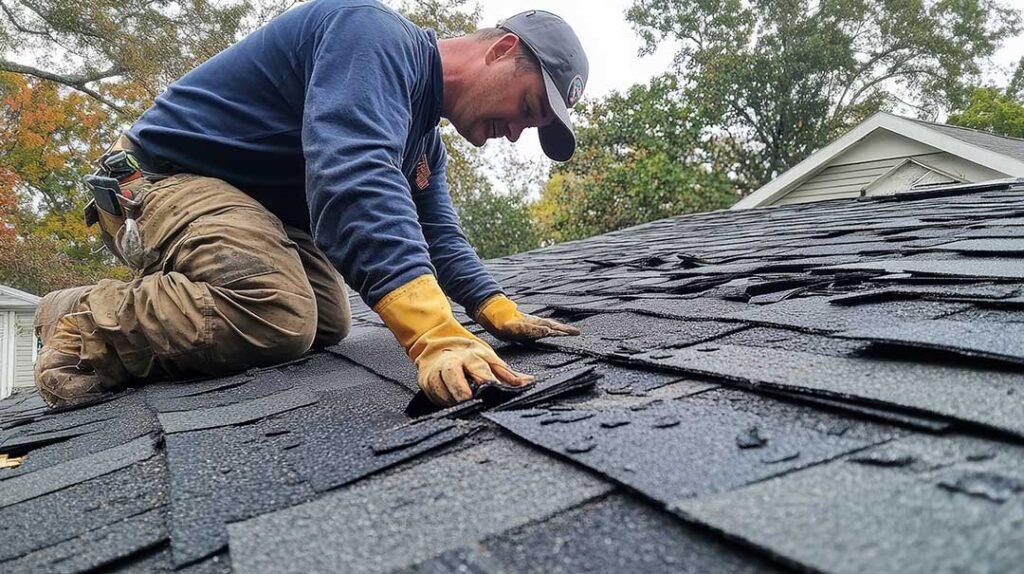
Hanging seasonal lights can be a manageable household project, but roof edges, ladders, electrical connections, and winter weather create real hazards. In Ithaca, NY, cold temperatures, snow, ice, wind, and freeze-thaw cycles make preparation especially important.
The safest approach is to keep as much work as possible at ground level, avoid walking on the roof, use lighting designed for outdoor conditions, and postpone the project whenever surfaces are wet, icy, snowy, or windy.
Can lights be hung without walking on the roof?
Yes. In many cases, lights can be installed from a properly positioned ladder along the roof edge or from ground level using purpose-made clips and an extension pole. Walking on the roof is usually unnecessary for simple eave, gutter, porch, or fascia lighting.
Avoid stepping onto shingles simply to reach a few more feet of roofline. Residential roofs can be steep, brittle, damp, or covered with hidden frost. Even a roof that looks dry may have slick patches near shaded eaves, valleys, or north-facing slopes.
If the design requires access to the roof surface, the risk increases substantially. A roof should not be accessed during snow, ice, rain, strong wind, or freezing conditions. Homeowners who cannot safely reach the installation area from a stable ladder should choose a lower lighting design rather than improvise.
What should be checked before starting?
Inspect the work area during daylight, before carrying lights or a ladder outside. Look for:
- Loose or damaged shingles
- Sagging gutters or downspouts
- Rotting fascia, trim, or soffits
- Overhead utility lines
- Tree branches that may interfere with the ladder
- Snow or ice near the roof edge
- Exterior outlets without weather protection
- Existing lights with cracked insulation or damaged plugs
Do not attach decorations to visibly weak gutters, loose trim, chimney caps, vents, flashing, or roof penetrations. These components are not designed to support repeated pulling or hanging loads.
Plan where each light string will begin and end. Measure the roofline first, and leave enough slack to avoid pulling the cord tight. Tension can loosen clips, deform gutters, or damage the wire when temperatures fall.
Which lights and cords are appropriate outdoors?
Use light strings and extension cords specifically labeled for outdoor use. Indoor-only products may not have insulation, seals, or connections designed to withstand moisture and temperature changes.
Before installing, check every string for:
- Frayed or pinched wires
- Cracked sockets
- Missing bulbs or loose connections
- Burn marks or melted plastic
- Damaged plugs
- Corrosion around contacts
Discard damaged strings rather than covering defects with electrical tape. Do not connect more light strings together than the product instructions allow. Excessive connections can overload the circuit or create heat at plugs and sockets.
LED strings generally produce less heat and use less electricity than older incandescent strings, but they still require outdoor-rated equipment and careful installation. Do not mix incompatible systems or alter plugs, fuses, or wiring.
How should a ladder be positioned?
A ladder must stand on firm, level ground, not on snow, ice, loose soil, stacked boards, or a sloped surface. Clear snow from the setup area and inspect the ladder’s feet and rungs before climbing.
For a leaning ladder, position the base approximately one foot away from the wall for every four feet of ladder height. The upper end should rest against a solid surface, not against a gutter or unsupported decorative trim. If the ladder reaches the roof edge, it should extend above the landing point enough to provide a secure handhold.
Keep three points of contact while climbing: two hands and one foot, or two feet and one hand. Carrying a large bundle of lights while climbing makes it harder to maintain balance. Instead, use a tool belt, a rope to raise materials after climbing, or have a second person pass them up.
Never stand on the top step or the highest steps marked as unsafe. Do not move or “walk” a ladder while anyone is on it.
How should lights be attached to the roofline?
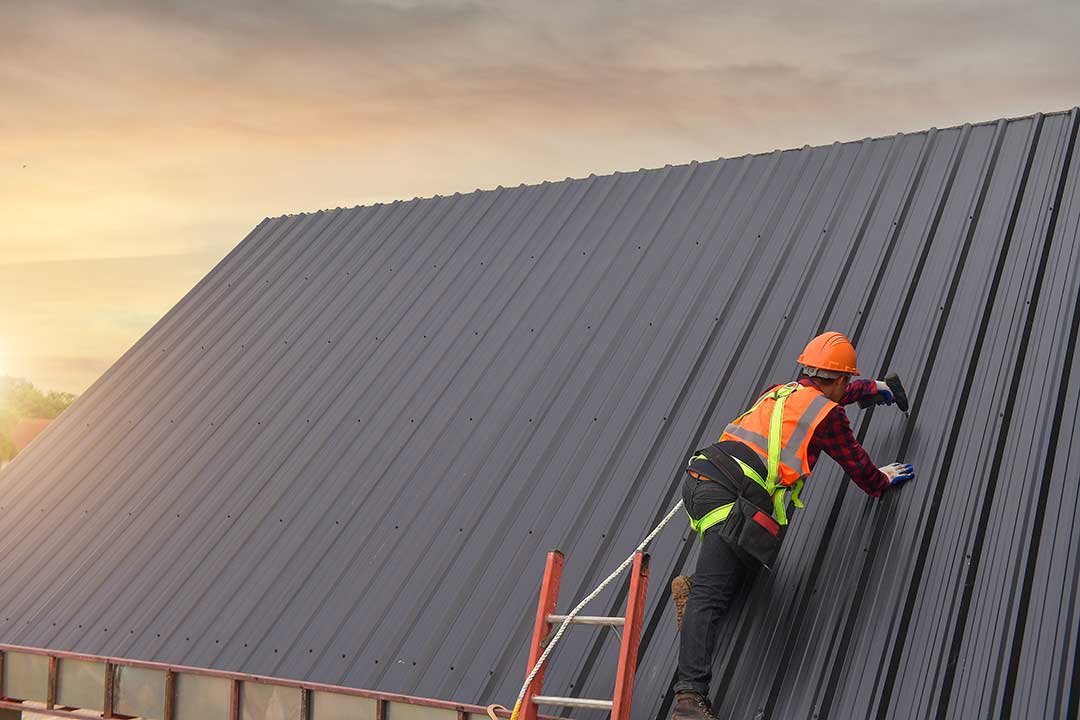
Use lightweight plastic clips designed for the type of installation. Clips that attach to the underside of the eave, fascia, or approved gutter edge are generally less damaging than nails, staples, or screws.
Do not puncture shingles or roofing membranes to hold lights in place. Nails and staples can create openings that allow water into the roof assembly. They can also damage wiring and make future roof maintenance more difficult.
Avoid wrapping cords tightly around gutters, downspouts, railings, tree limbs, or sharp corners. Leave a small amount of slack between attachment points so thermal movement and wind do not pull on the wire.
Keep lights away from hot exhaust vents, chimneys, heating equipment, and areas where melting snow or ice may slide from the roof. Do not block attic or soffit ventilation openings with decorations.
What electrical precautions matter most?
Use an exterior receptacle protected by a ground-fault circuit interrupter, commonly called a GFCI. A GFCI can shut off power quickly when it detects current flowing along an unintended path, such as through water or a person.
Keep plug connections off the ground and away from puddles, snowbanks, and areas where roof runoff drains. Weather-resistant covers help protect outdoor receptacles, but they do not make damaged cords safe.
Never run a cord through a closed window or door where it can be crushed. Do not place cords under rugs, across walkways, or where snow removal equipment may damage them. If an exterior outlet, circuit, or permanent light fixture must be added or altered, local electrical permit and licensing requirements may apply.
Turn off or unplug lights before making adjustments. Outdoor decorations should also be switched off before leaving the home or going to bed unless the system is specifically designed for safe, supervised operation.
When should roof-lighting work be postponed?
Postpone the project if any of these conditions are present:
- Snow or ice is on the roof, ladder, or ground
- Rain has made shingles, trim, or ladder surfaces slick
- Wind is strong enough to move the ladder or light strings
- Temperatures are causing rapid freezing or melting
- Visibility is poor
- The work area is near energized overhead lines
- A person working alone would need to climb onto the roof
Winter weather can change quickly. A calm afternoon may become windy after dark, and melting snow can refreeze around ladders and walkways. In this climate, installing lights earlier in the season during dry, stable weather is safer than waiting for a holiday deadline.
What if lights need to be removed after snow or ice?
Do not pull frozen light strings from the roofline. Ice can bond cords to gutters, shingles, and clips, and pulling may damage both the lights and the roof edge.
Allow ice to melt naturally when possible. Avoid climbing onto the roof to remove decorations after a storm. Falling ice and snow can injure people below, damage vehicles, and pull loose sections of gutter or trim.
If lights have become entangled, a damaged cord is visible, or access requires roof walking in winter conditions, leave the area undisturbed until it can be addressed safely. Adding lights should never create a reason to take unnecessary risks on an icy roof.
