
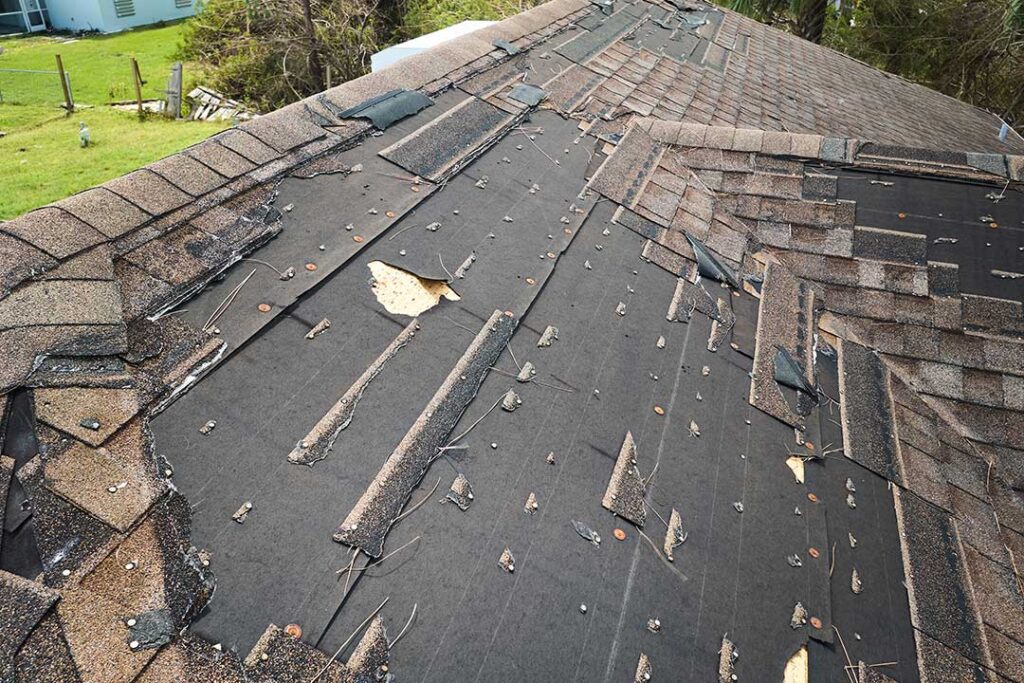
Roof repairs can range from replacing a few damaged shingles to correcting leaks, flashing failures, ventilation problems, or hidden moisture damage. For residents in Ithaca, NY, choosing the right roofing company means looking beyond price and focusing on qualifications, communication, repair methods, and familiarity with local weather conditions.
What should be checked before choosing a roofing company?
Start by confirming that the company is established, properly insured, and experienced with the type of roof involved. A trustworthy company should be willing to explain its qualifications without making vague claims or pressuring a property owner to decide immediately.
Useful questions include:
- How long has the company performed roofing repairs?
- Does it repair the specific roof type on the home?
- Is the company insured for general liability and worker injuries?
- Who will perform the work?
- Will the repair include an inspection of related areas, such as flashing, gutters, vents, and roof edges?
- Can the company provide a written description of the proposed work?
Insurance matters because roofing involves ladders, steep surfaces, tools, and weather exposure. A property owner should not assume that a company’s insurance covers every situation. It is reasonable to ask for proof of current coverage and to confirm that the business name on the documentation matches the company providing the proposal.
How can a homeowner tell whether a repair diagnosis is credible?
A credible diagnosis connects the visible symptom to a likely cause. For example, a ceiling stain does not automatically mean the shingles directly above it are the only problem. Water can travel along roof decking, rafters, insulation, or wall cavities before appearing indoors.
A careful inspection should consider:
- Missing, cracked, lifted, or deteriorated shingles
- Damaged metal flashing around chimneys, walls, vents, and roof transitions
- Blocked or poorly directed drainage
- Ice-related damage along roof edges
- Exposed or deteriorated underlayment
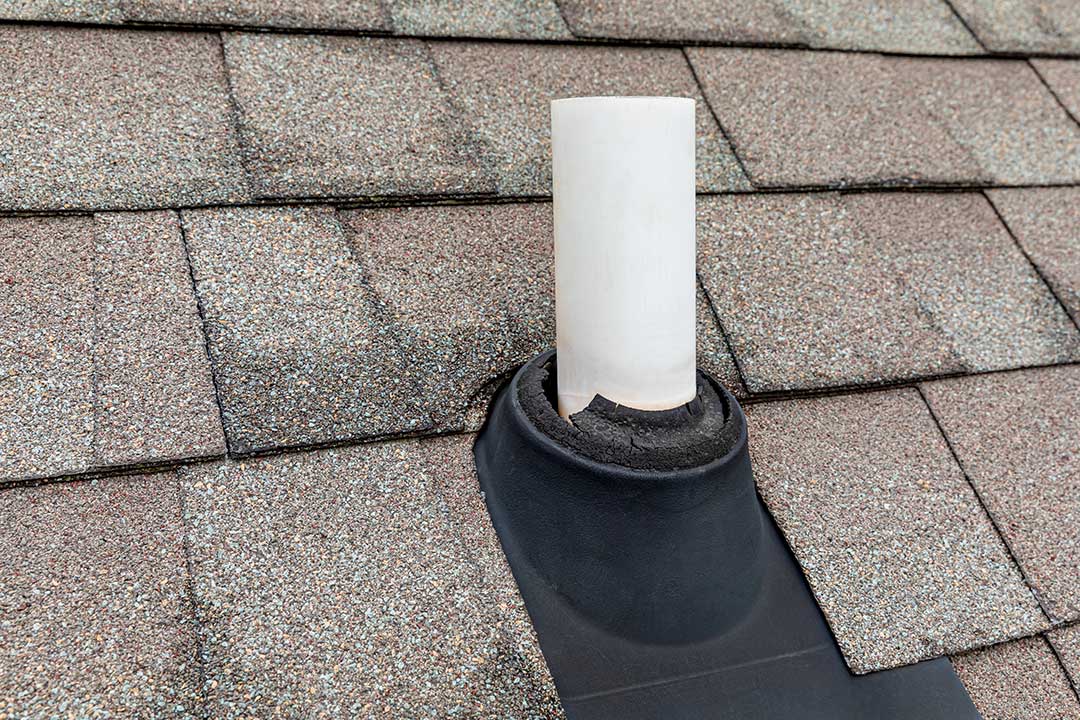
- Roof penetrations that have failed
- Sagging decking or structural movement
- Moisture in the attic or upper walls
- Condensation caused by inadequate ventilation
The person inspecting the roof should be able to show or describe the suspected failure in plain language. Photographs can be useful, especially when the problem is on a steep or inaccessible section. A proposal that only says “repair roof leak” provides less useful information than one that identifies the affected area, materials, repair steps, and limitations.
Should homeowners get more than one repair proposal?
For non-emergency work, comparing two or three detailed proposals can help reveal whether the recommendations are reasonable. The goal is not simply to select the lowest price. A very low proposal may omit necessary preparation, replacement materials, disposal, flashing work, or interior protection.
Compare proposals based on:
- The exact location and cause of the problem
- Materials to be installed
- Whether damaged underlayment or decking is included
- Flashing repair or replacement
- Labor and cleanup
- Handling of hidden damage
- Warranty terms
- Payment schedule
- Estimated work timing
- Conditions that could change the cost
A repair proposal should distinguish between known work and possible additional work. For instance, a roofer may not be able to determine the condition of roof decking until shingles and underlayment are removed. That uncertainty should be explained before work begins, along with how extra repairs will be approved.
What warning signs suggest a roofing company may be unreliable?
Certain behaviors deserve caution. A company may be a poor fit if it uses high-pressure sales tactics, refuses to provide written details, or insists that a repair must begin immediately without explaining the safety issue.
Other warning signs include:
- A diagnosis based only on a quick glance from the ground
- Requests for a large upfront payment before materials or work are clearly described
- No explanation of insurance coverage
- A proposal with no company name, address, scope of work, or payment terms
- Pressure to replace the entire roof without discussing repair options
- Claims that a warranty covers everything without written conditions
- Unwillingness to identify who will actually perform the repair
- Requests to sign blank or incomplete paperwork
- Unclear answers about cleanup and protection of landscaping or interior areas
Storm-related damage can create a particularly difficult environment because many property owners need help at the same time. A legitimate repair company should still provide clear documentation and allow reasonable time for questions, except when an immediate temporary measure is needed to prevent active water entry or a safety hazard.
How do Ithaca weather conditions affect roofing repairs?
Roofing in Ithaca must withstand snow, freeze-thaw cycles, wind, heavy rain, damp conditions, and occasional ice buildup. These conditions can worsen small defects. A lifted shingle may allow water beneath the roof covering, while repeated freezing and thawing can enlarge cracks or loosen materials.
Seasonal timing also matters. Some repairs can be completed during colder months, but materials may have temperature limitations, and wet or icy surfaces create additional safety concerns. Temporary protection may be appropriate until conditions allow permanent work.
Snow and ice should not be treated as the only possible source of a leak. Roof penetrations, flashing, drainage problems, attic condensation, and wind-driven rain can also cause moisture entry. A useful inspection considers both the immediate weather event and the roof’s overall condition.
Homes with older construction, additions, complex rooflines, enclosed porches, or multiple roof materials may require more careful investigation. Different sections may drain toward one another, creating concentrated water flow or hidden areas where debris and moisture collect.
What should a written repair agreement include?
A written agreement protects both sides by defining what will happen. It should identify the property, the company, the work area, the materials, and the expected payment terms.
Look for details such as:
- The specific repair location
- Removal and replacement procedures
- Brand or grade only when relevant to performance and compatibility
- Flashing, sealant, fasteners, and underlayment details
- Protection for siding, windows, plants, and interior spaces
- Cleanup and disposal responsibilities
- Treatment of concealed damage
- Start and completion expectations
- Warranty coverage and exclusions
- Procedures for changes to the original scope
A warranty should be read as a set of conditions, not as a guarantee that future leaks are impossible. Some warranties cover workmanship for a stated period, while materials may have separate limitations. A repair that fails because of unrelated roof deterioration, structural movement, ventilation problems, or storm damage may not be covered.
How can homeowners prepare for a roof repair?
Before work begins, document existing conditions with photographs, especially near ceiling stains, attic moisture, exterior walls, landscaping, and nearby structures. Move fragile items away from areas below the repair and protect belongings in the attic.
Ask how the crew will manage:
- Rain during the work
- Loose debris and roofing nails
- Temporary openings at the end of each workday
- Access to the roof
- Noise and work hours
- Discovery of damaged decking or structural concerns
After the repair, inspect the area from the ground and review the completed work against the written agreement. Check that debris has been removed, gutters are not obstructed, and temporary coverings have not been left in place unnecessarily. If the leak returns, report it promptly and describe when it occurs, such as during wind-driven rain, melting snow, or heavy downpours.
The right roofing company is not necessarily the one offering the fastest start or the lowest price. For area households, a sound choice is a company that provides a clear diagnosis, written scope of work, appropriate insurance, realistic timing, and straightforward answers about what the repair can—and cannot—resolve.
