
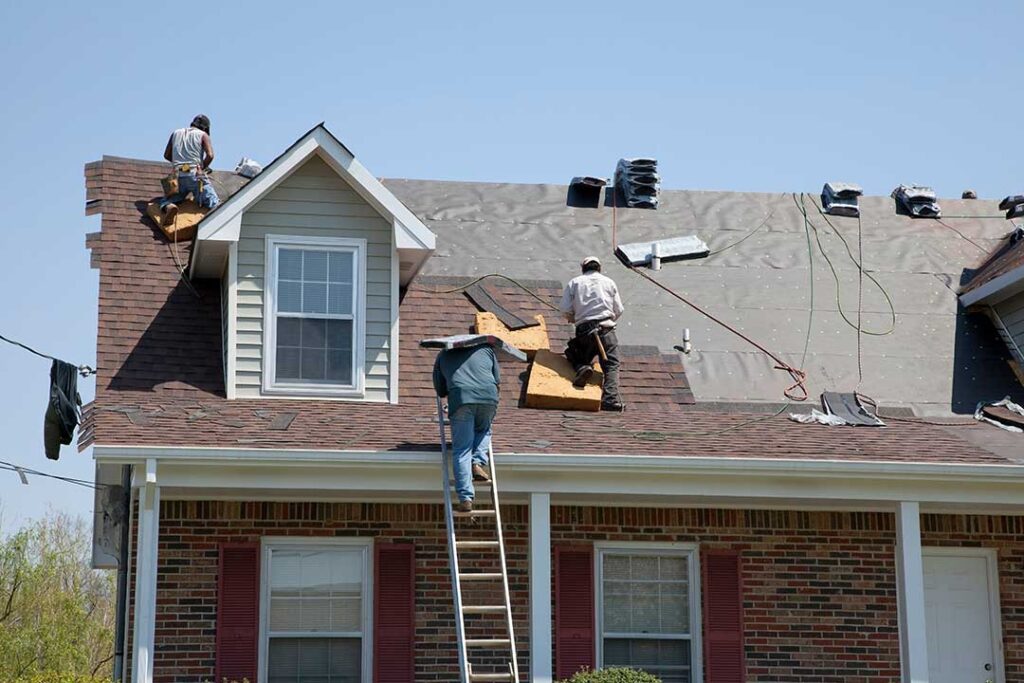
Strong winds can damage a roof without leaving an obvious hole. In Ithaca, NY, gusts connected with thunderstorms, winter weather, fast-moving fronts, and changing seasonal conditions can loosen shingles, damage flashing, clog ventilation openings, and allow water to enter later.
A roof may appear intact from the ground while wind has already weakened parts of its weather protection. Understanding the most common damage patterns helps residents identify problems early and avoid unsafe inspections.
What types of wind damage affect roofs most often?
Wind damage usually begins at exposed edges, seams, fasteners, and areas where roofing materials have already aged. The most common problems include:
- Lifted or missing shingles
- Creased, cracked, or bent shingles
- Damaged ridge caps
- Loose metal flashing around chimneys, vents, and wall intersections
- Torn underlayment
- Detached gutters, downspouts, or fascia
- Fallen branches and punctures from debris
- Damaged roof vents or exhaust caps
Shingles are designed to resist ordinary weather, but strong gusts can break the seal that holds them together. Once a shingle edge lifts, later wind can work underneath it and pull away neighboring materials.
The highest parts of a roof and the outer perimeter are often the most vulnerable. Wind pressure changes sharply near rakes, eaves, ridges, and corners, especially when the roof has multiple slopes or intersecting sections.
Can a roof leak after wind damage even if no shingles are missing?
Yes. A roof can leak even when every shingle appears to be in place.
Wind may loosen fasteners, create small tears, separate flashing, or break the adhesive bond beneath shingles. These defects may not be visible from the ground. Water can also travel beneath roofing materials before appearing on an attic floor or ceiling.
Common signs of concealed wind damage include:
- New brown or yellow ceiling stains
- Damp insulation in the attic
- Dripping around light fixtures or exterior walls
- Musty odors after rain
- Daylight visible through the roof deck
- Water marks near chimneys, vents, or roof valleys
- Shingle granules collecting in gutters or at downspouts
A leak that appears several days after a storm may still be related to wind damage. The water may have entered through a small opening during the storm and remained hidden until the next period of rain.
Why are older roofs more vulnerable to severe wind?
Roofing materials become less flexible and less securely bonded as they age. Asphalt shingles may lose granules, dry out, curl, crack, or develop brittle edges. Older flashing and sealants can also pull away from surrounding materials.
Age is not the only factor. Installation quality, roof slope, exposure, previous repairs, attic ventilation, and the condition of the roof deck all influence wind resistance.
A newer roof can still suffer damage if:
- Shingles were not fastened correctly
- Nails were placed too high or too low
- The roof deck has deteriorated
- Flashing was poorly fitted
- Previous storm repairs were incomplete
- Nearby trees allow branches to strike the roof
- Wind enters through an opening at an edge or transition
A roof’s performance depends on the entire assembly, not just the visible shingles.
How do winter winds affect roofs in Ithaca?
Winter wind can be especially hard on roofs because it often combines with snow, ice, freezing temperatures, and rapid changes in moisture. Snow can cover lifted shingles or small openings, making damage difficult to see. Ice may form around eaves and drainage areas, while freeze-thaw cycles can widen existing cracks.
Heavy snow itself is a separate structural concern from wind, but the two conditions can occur together. Wind may create uneven snow drifts, pushing more weight onto one section of a roof. It can also drive snow into small gaps around vents, flashing, and roof-wall intersections.
After a winter storm, check for changes inside the building as well as outside. Attic moisture, stained sheathing, and damp insulation may reveal a problem before water reaches finished ceilings.
What should residents check after a severe windstorm?
A ground-level inspection is the safest first step. Look from several sides of the building using binoculars if available. Do not climb onto a wet, icy, damaged, or steep roof.
Look for:
- Bare patches where shingles are missing
- Shingles that look raised, uneven, or out of alignment
- Debris lodged on roof surfaces
- Bent or detached gutters
- Torn screens or caps on roof vents
- Exposed underlayment or roof decking
- Branches resting on the roof
- New openings around chimneys, pipes, or wall lines
Inside the attic, use a flashlight and watch for wet insulation, water stains, daylight, or dripping. Avoid touching wet electrical components. If water is near wiring, light fixtures, or electrical equipment, shut off power to the affected area only if it can be done safely.
Photographs taken from the ground and from interior areas can help document the timing and location of damage. It is useful to record the date of the storm and note whether moisture appeared immediately or later.
What should not be done after wind damage?
Several common responses can create additional hazards.
Do not walk on the roof to retrieve debris. Roofing surfaces may be slippery, and hidden damage can cause a person to step through a weak section. Do not pull away attached branches, remove partially secured materials, or cover a damaged area from a ladder during high winds.
Temporary coverings can also be dangerous if they require climbing or placing weight on an unstable roof. If water is entering, move furniture and belongings away from the leak, place containers under drips, and protect floors where possible without approaching electrical hazards.
Loose shingles, metal flashing, and large branches should be treated as falling-object risks until conditions are calm.
How can wind damage be reduced before the next storm?
Routine maintenance can reduce the chance that ordinary wind becomes a major roof problem. Keep gutters and drainage paths clear, trim branches that overhang the roof, and inspect areas where roofing meets walls, chimneys, and vents.
It also helps to watch for early warning signs such as:
- Shingle granules in gutters
- Repeatedly loose gutter sections
- Curling or cracked shingles
- Rusted or separated flashing
- Damp attic insulation
- Poor attic airflow or excessive condensation
- Previous repairs that no longer lie flat
Roof edges deserve particular attention because wind can enter beneath loose materials there. Properly secured soffits, fascia, drip edges, and ridge caps help keep air and water from getting underneath the roof covering.
Ventilation does not make a roof windproof, but balanced attic airflow can help limit moisture buildup and the freeze-thaw problems that weaken roofing components over time.
When is wind damage an urgent safety issue?
Immediate attention is warranted when the roof has a large opening, visible sagging, structural movement, extensive water entry, or a tree resting on it. Electrical hazards, falling debris, and unstable roof sections require extra caution.
Residents should leave areas beneath sagging ceilings or damaged roof sections until the hazard is understood. A ceiling that bulges with water can fail without much warning. Severe structural concerns, active electrical danger, or large fallen trees may require emergency assistance from the appropriate public safety or utility authority before any roof inspection takes place.
For less obvious damage, the main risk is delayed water intrusion. A small wind-related opening can allow repeated wetting, damage insulation, stain ceilings, and contribute to wood decay. Prompt documentation and a careful inspection are more useful than relying only on what can be seen from the sidewalk.
