
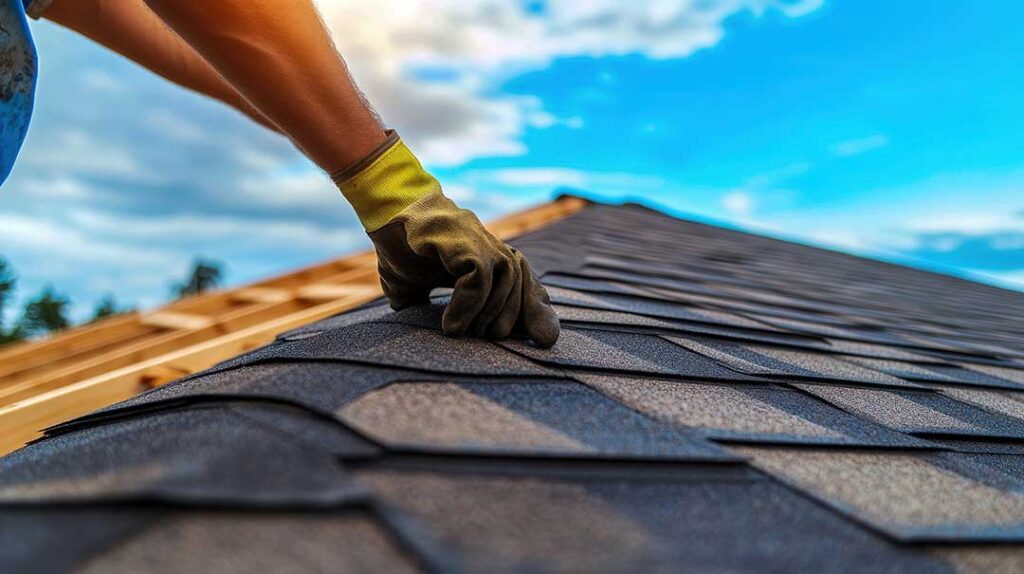
Roof problems rarely become less expensive with time. A small leak, missing shingle, or blocked drainage path can allow water to move into insulation, framing, ceilings, and wall cavities—often before the damage is visible inside the home.
For households in Ithaca, seasonal weather can make that progression faster. Snow, ice, wind, spring rain, summer heat, and repeated freeze-thaw cycles place changing stress on roofing materials and the structures beneath them.
How does a minor roof problem become a major repair?
A minor roof defect becomes costly when water finds a path through the roof system and continues entering during multiple weather events. The visible opening may be small, but the affected area below it can be much larger.
For example, a damaged shingle may allow moisture to reach:
- Underlayment and roof decking
- Attic insulation
- Rafters, trusses, or roof sheathing
- Ceiling drywall and paint
- Electrical components
- Exterior wall cavities
Water does not always travel straight downward. It can move along decking, framing, insulation, or wiring before appearing as a stain several feet away from the original entry point. A ceiling mark may therefore indicate a problem somewhere upslope rather than directly above the stain.
Repeated wetting is particularly damaging. Wood may swell, soften, or begin to decay. Insulation can lose effectiveness when damp, and hidden moisture can create conditions that support mold growth.
What is the financial cost of ignoring a roof leak?
The cost depends on how long the leak continues, how much area is affected, and whether secondary damage develops. A minor repair may involve replacing a few roofing materials and correcting the source of the entry. Delayed repairs can add several layers of work:
- Removal and replacement of water-damaged roofing materials
- Replacement of rotted roof decking
- New insulation in affected attic areas
- Drywall repair and repainting
- Repairs to damaged trim, flooring, or cabinetry
- Correction of damaged electrical wiring
- Removal of mold-contaminated materials
- Structural repairs if framing has weakened
The roof itself may not be the most expensive part of the repair. Interior restoration, insulation replacement, and structural drying can increase the total substantially.
Insurance coverage also varies. Sudden storm damage may be treated differently from deterioration, deferred maintenance, or repeated seepage. Ignoring a known problem can make it harder to establish when damage occurred and whether later losses were preventable.
Why are freeze-thaw cycles hard on roofs?
Freeze-thaw weather can widen small openings and loosen roofing materials. Water enters a crack, seam, flashing joint, or exposed fastener, then expands as it freezes. When temperatures rise, the ice melts and leaves the weakened area vulnerable to another cycle.
This process can affect:
- Shingles that are already brittle or lifted
- Flashing around chimneys, vents, skylights, and wall intersections
- Sealants that have cracked or separated
- Roof edges and eaves
- Masonry surfaces near roof penetrations
In Ithaca, winter conditions may alternate between snow, freezing temperatures, melting periods, and rain. That pattern can make a defect difficult to notice during one inspection and more active during the next storm.
Snow can also conceal missing shingles, damaged flashing, or debris-filled drainage paths. A roof that appears undisturbed from the ground may still have water-entry points beneath the snow cover.
Can a roof leak cause health or indoor-air problems?
It can. Moisture that remains in insulation, drywall, wood, or other porous materials may support mold growth and contribute to musty odors or poor indoor air quality.
Not every water stain means there is a health hazard, but persistent dampness should not be treated as cosmetic. Mold and moisture-sensitive materials may be especially concerning for people with asthma, allergies, or other respiratory sensitivities.
The longer wet materials remain in place, the more difficult drying and repair may become. Painting over a stain without correcting the source can hide the visible evidence while leaving moisture inside the building assembly.
What damage can occur in an attic?
Attic damage is often overlooked because the space is rarely occupied. Yet the attic is one of the first areas affected by a roof leak.
Water may soak insulation, stain roof decking, rust metal components, and weaken wood framing. Wet insulation can compress and lose insulating value, which may increase heat loss during winter and contribute to uneven indoor temperatures.
Moisture can also interfere with ventilation. If insulation shifts or becomes damp near eaves, airflow may be restricted. Poor attic ventilation does not cause every roof problem, but it can contribute to condensation, ice buildup, and premature aging of roofing materials when combined with other conditions.
A periodic visual check from a safe attic access point may reveal:
- Damp or matted insulation
- Dark staining on wood
- Daylight visible around roof penetrations
- Dripping or active moisture
- Rusted nails or metal connectors
- Musty odors
Entering an attic is not appropriate when the floor is unstable, electrical hazards are present, or the space is contaminated. Safety takes priority over inspection.
Are ceiling stains always caused by an active roof leak?
No. A ceiling stain may result from plumbing, condensation, an ice dam, a vent problem, or an older roof leak that has already stopped. However, it should not be assumed to be harmless.
A stain that grows after rain or snowmelt suggests ongoing water entry. Bubbling paint, sagging drywall, soft spots, or droplets near light fixtures require prompt attention because the problem may involve both moisture and electrical risk.
The timing of the stain can provide useful information:
- Appears after rain: possible roof, flashing, or drainage issue
- Appears after snowmelt: possible concealed roof opening or ice-related backup
- Appears during cold weather without precipitation: possible condensation or ventilation issue
- Appears near a bathroom: possible plumbing or exhaust-vent problem
The source still needs to be identified rather than guessed from the stain’s location.
Why do gutters and drainage affect roof damage?
Gutters and downspouts control where roof runoff goes. If they are blocked, undersized, damaged, or disconnected, water may spill over roof edges and soak fascia, soffits, siding, and foundation areas.
Standing debris can also keep roofing materials damp and hide damage. In colder weather, poorly draining water may freeze along eaves and contribute to ice buildup.
Keeping drainage paths clear is especially useful in neighborhoods with mature trees, where leaves, twigs, and organic debris can accumulate quickly. Downspouts should direct water away from the foundation rather than releasing it beside the wall.
Which roof problems should not wait?
Some conditions deserve prompt attention because they can worsen quickly or create safety hazards:
- Active dripping during rain or snowmelt
- A sagging roofline or ceiling
- Exposed roof decking
- Large areas of missing or wind-damaged shingles
- Water near electrical fixtures
- A fallen tree limb or branch impact
- Strong interior odors associated with dampness
- Extensive ice buildup along roof edges
- Visible rot around eaves, roof edges, or attic framing
Temporary measures may reduce immediate water entry, but they do not replace a proper assessment of the roof system and affected interior materials. Walking on a wet, icy, steep, or damaged roof is hazardous and can cause additional damage.
What should residents check after severe weather?
After strong wind, heavy rain, or a significant snow event, a ground-level inspection can identify warning signs without creating unnecessary risk. Look for loose or scattered roofing materials, damaged flashing, overflowing gutters, fallen branches, and new ceiling or wall stains.
Inside the home, check attics and upper-floor ceilings only from safe areas. Do not disturb wet insulation or touch electrical components that may have been exposed to water.
Early documentation can also be useful. Dated photographs of roof debris, water stains, damaged ceilings, and attic conditions provide a record of changes over time and may help distinguish new damage from older conditions.
Ignoring a roof problem does not preserve the roof. It transfers the repair into other parts of the home, where moisture can affect finishes, insulation, structure, electrical systems, and indoor comfort. In a climate with winter precipitation and repeated temperature changes, addressing a small warning sign before the next season of severe weather can prevent a localized roof issue from becoming a whole-house repair.
