

What Is Ice Damming?
Ice damming refers to the buildup of ice along the edge of a roof, typically above the eaves, that prevents melted snow from draining off properly. This phenomenon is common in areas like Ithaca, NY, where winter temperatures fluctuate above and below freezing.
When snow accumulates on a roof and heat escapes from the living space below, it can cause the underside of the snow layer to melt. The resulting water flows down toward the colder eaves and gutters, refreezing into a band of ice. Over time, this ice barrier traps additional meltwater, which can then seep under shingles and leak into the home, leading to water damage and mold growth.
Why Do Ice Dams Happen So Often in Ithaca, NY?
Ice dams are particularly common in Ithaca because of the region’s cold winters mixed with spells of milder weather. Frequent freeze-thaw cycles and heavy, wet snowfall set up the right conditions for the process.
Local homes often have features that contribute to the risk:
- Older, poorly insulated attics that allow heat to escape into the roof space
- Roofs with shallow pitches or valleys, where snow accumulates and doesn’t quickly slide off
- Large overhangs, which stay colder than the main roof
In this climate, even well-maintained houses can experience ice dams if attic insulation and ventilation aren’t optimized.
What Problems Can Ice Dams Cause for Homeowners?
Left unchecked, ice dams can:
- Allow water to infiltrate attics, ceilings, walls, and insulation
- Lead to mold growth and damaged plaster or drywall
- Weaken structural wood by repeated wetting
- Cause paint to peel and wood trim around windows or eaves to rot
- Pull gutters loose due to the weight of the ice
A common misconception is that only old or poorly built homes experience water damage from ice dams. In reality, even relatively new roofs can be affected if insulation or ventilation is inadequate for local conditions.
How Can Local Residents Prevent Ice Dams from Forming?
The most effective way to prevent ice dams is to keep the entire roof as close to the same (cold) temperature as the outside air. This limits the snowmelt-and-refreeze cycle that leads to trouble. Steps that offer long-term benefits include:
Improve Attic Insulation
A well-insulated attic blocks heat from rising and warming the roof surface.
- Add or upgrade attic floor insulation, aiming for R-values suited for cold climates (R-38 or higher is typical).
- Seal air leaks where warm air escapes from the living space to the roof cavity—pay attention to gaps around plumbing vents, electrical outlets, recessed lights, and attic hatches.
Enhance Roof Ventilation
Proper ventilation helps carry away any heat that does escape.
- Soffit vents let cold outside air enter at the eaves.
- Ridge or gable vents allow warm, moist air to exit near the roof peak.
A continuous flow of air keeps the roof deck cooler, making it harder for ice dams to form.
Manage Snow Accumulation
After heavy snowfall, some residents use a roof rake to safely remove snow from the lower few feet of roof while standing on the ground. This reduces the amount of melting snow available to form an ice dam.
- Avoid accessing the roof on your own if it is icy, steep, or unusually high.
- Never use sharp tools or de-icing chemicals that can damage roof shingles.
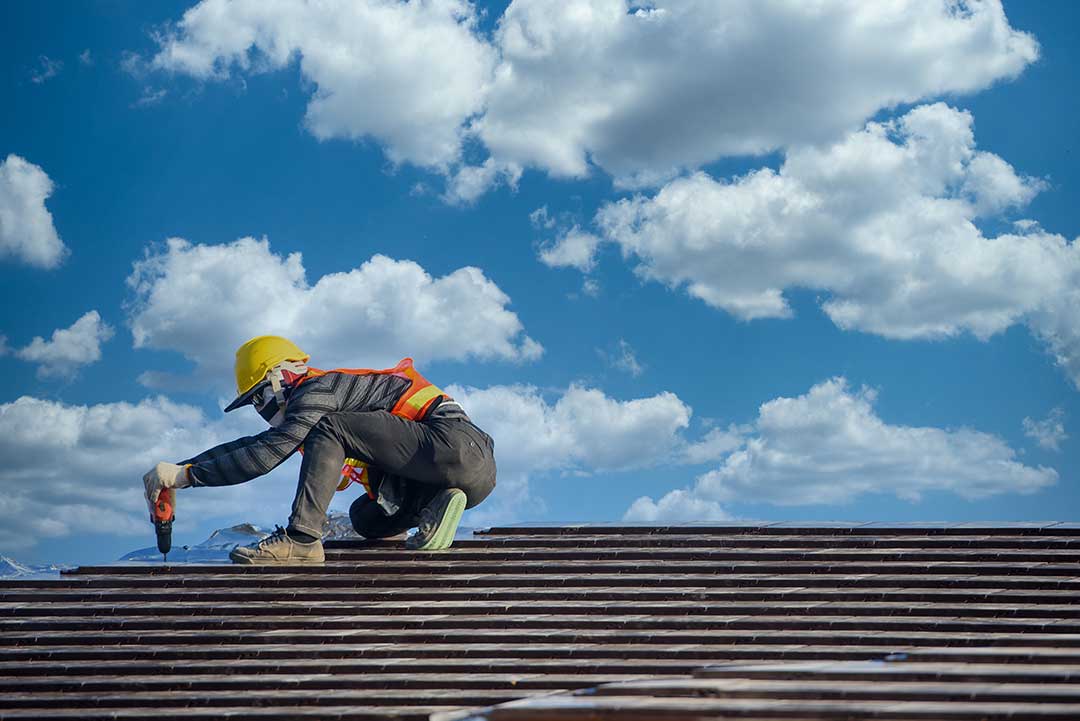
Address Chronic Problem Areas
Homes with persistent issues may have architectural features that encourage ice buildup. In such cases, it may be useful to:
- Redirect heat sources in the attic away from the roof deck
- Insulate or reroute exhaust ductwork so it doesn’t release warm air directly under the roof
- Consider installing self-regulating heat cables along the roof edge in severe cases (heat cables provide a last resort for especially tricky spots, not a replacement for insulation and ventilation)
Are There Seasonal Home Maintenance Habits That Help?
Regular chores can also help residents stay ahead of potential ice dam problems:
- Clean gutters and downspouts in late fall to make sure melting snow and ice can drain freely
- Inspect the edges of the roof for damage once snow melts in early spring
- Check attic insulation for signs of water staining or mold and repair air leaks as soon as practical
What Should Local Residents Avoid Doing?
Some fixes are ineffective or even risky. Avoid:
- Chipping away at ice dams from the roof with an axe or shovel, as this can damage shingles and is unsafe
- Using salt or chemical-based melting agents on shingles, which can corrode metal flashing and stain exterior walls
- Ignoring small leaks—moisture in the attic can promote mold, which is harder to remove after it spreads
How Does Local Housing Influence Ice Dam Risk?
Ithaca’s mix of historic and modern homes means that solutions can vary widely. Older homes may lack modern air-sealing techniques but often have easily accessible attics for insulation upgrades. In contrast, newer homes sometimes use complex roof designs that create hidden valleys or overhangs where snow lingers. Awareness of each home's unique construction can guide which prevention methods are most effective.
