
Why moss and algae are common on local roofs
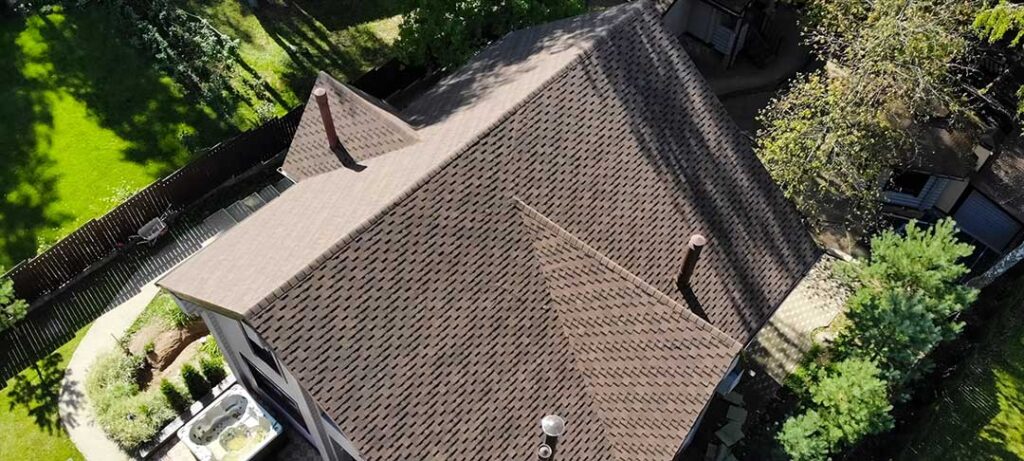
In Ithaca, NY, moss and algae can develop on roofs because the area experiences regular moisture, shaded conditions, freeze-thaw cycles, and seasonal leaf buildup. Growth is especially common on roof sections that face limited sunlight or are bordered by mature trees.
Moss and algae are not the same thing:
- Moss is a small plant that forms a soft, green layer and can hold moisture against roofing materials.
- Algae is usually seen as dark green, gray, or black streaks and spreads across damp roof surfaces.
- Lichen is a combination of algae and fungi. It often appears as pale, crusty patches that attach firmly to shingles.
A few dark streaks do not automatically mean a roof is failing. Moss, however, deserves closer attention because it can lift shingle edges, interfere with drainage, and keep the roof surface damp for long periods.
How can moss and algae damage a roof?
Algae mainly affects appearance, but persistent growth can contribute to moisture retention and surface deterioration. Moss presents a more direct physical concern because its root-like structures can work beneath shingle edges.
As moss expands, it may:
- Lift or separate shingles
- Trap leaves and other organic debris
- Slow water runoff
- Keep roofing materials wet
- Encourage decay around roof edges and nearby wood components
- Make icy conditions more hazardous during winter
The risk is greater on older roofs, low-slope sections, areas beneath overhanging branches, and locations where gutters or valleys do not drain freely. A roof may continue shedding water for some time while hidden damage develops beneath moss-covered areas.
Should moss and algae be removed from shingles?
Yes, but removal should be gentle. Scraping, pressure washing, or aggressive brushing can remove protective granules from asphalt shingles and shorten their service life.
For light growth, the safest general approach is to:
1. Remove loose leaves and twigs without dragging tools across the shingles.
2. Use a roof-safe cleaning solution labeled for moss or algae.
3. Apply the solution according to its instructions.
4. Allow the growth to loosen and weather away rather than forcing it off.
5. Rinse only if the product directions permit it, using low pressure and a downward flow.
Moss often dies before it disappears. That process may take several weeks, and some residue can remain temporarily. Trying to make the roof look immediately clean can cause more damage than the original growth.
Bleach-based treatments require caution. Runoff can damage plants, stain exterior surfaces, and affect water quality if it enters drainage systems. Any cleaning method should be kept away from gardens, ponds, pets, and household water collection areas.
Why is pressure washing a poor choice?
Pressure washing can strip away granules, loosen shingles, force water under roofing layers, and damage flashing or sealants. It may remove visible growth quickly, but it does not address the shade and moisture conditions that caused the problem.
Pressure washing is particularly risky on aging asphalt shingles, brittle roofing materials, wood shakes, slate, and areas near roof penetrations. A clean-looking roof can still have weakened surfaces after high-pressure treatment.
A long-handled brush may also cause damage if it is used forcefully. The goal is to treat and release the growth, not grind it away.
How can moss and algae be prevented?
Prevention focuses on reducing shade, moisture, and debris. Useful maintenance steps include:
- Trim branches that heavily shade the roof, while avoiding unnecessary removal of healthy trees.
- Keep gutters and downspouts clear so water can drain efficiently.
- Remove leaf piles and small branches before they remain on the roof through wet weather.
- Check roof valleys, lower slopes, and areas behind chimneys for trapped debris.
- Keep nearby vegetation from resting directly against roof surfaces.
- Improve airflow where practical, especially around persistently damp roof sections.
Metal strips installed near the upper portion of a roof can help limit future moss and algae growth. Rainwater carries small amounts of metal down the shingles, creating conditions that are less favorable for growth. These strips are not a cure for existing damage, and installation must be compatible with the roofing material and flashing details.
Can moss and algae grow under winter conditions?
Yes. Moss may become less active during cold weather, but it can remain attached to the roof and resume growth during damp periods. Snow can also cover debris and keep roofing materials wet for extended periods.
In the local climate, alternating thawing and freezing can make lifted shingles more vulnerable. Removing moss before winter may reduce moisture retention, but roof work during icy or snow-covered conditions is unsafe. Walking on a frozen or wet roof can damage shingles and create a serious fall risk.
How often should a roof be checked?
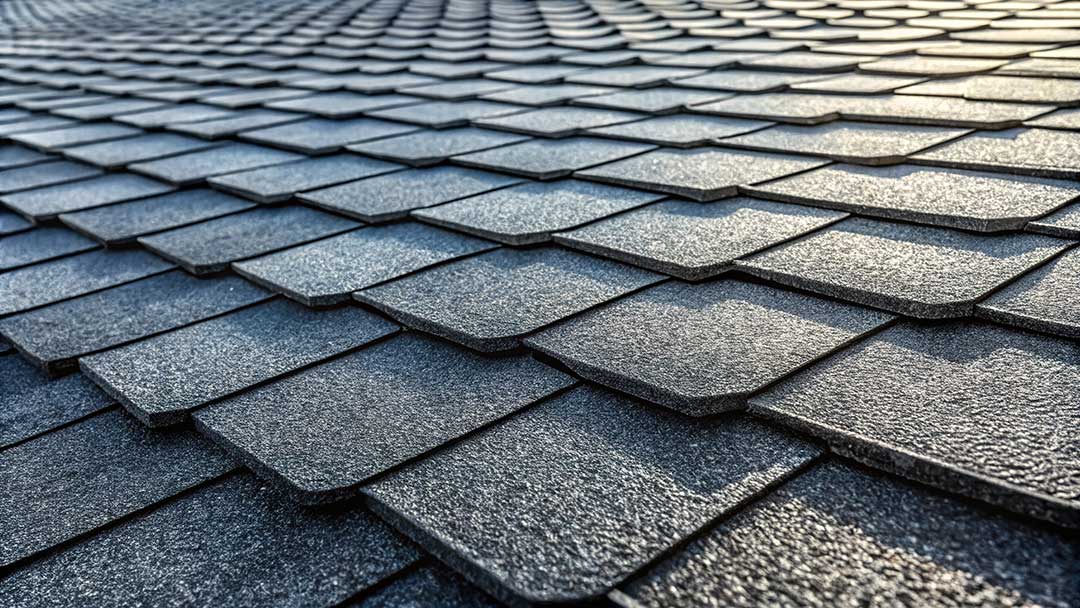
A visual inspection from the ground is useful several times a year, particularly in spring and after major storms. Look for:
- Green or black areas spreading across shingles
- Shingle edges that appear raised
- Debris collecting in valleys
- Dark damp patches that do not dry
- Sagging gutters or blocked downspouts
- Exposed underlayment, damaged flashing, or missing shingles
After winter, inspect areas where snow, ice, and wind may have moved debris or damaged roof edges. Homes surrounded by trees may need more frequent gutter and roof-surface checks than homes with open exposure.
Do not climb onto the roof simply to inspect moss. A ground-level view, attic inspection, or safe observation from a window is preferable. Roofing surfaces can be slippery even when they appear dry.
Does moss mean the roof must be replaced?
No. Moss alone does not determine whether a roof needs replacement. The condition, age, and remaining life of the roofing system matter more than the presence of growth.
A roof may only need careful cleaning when the shingles are intact and the moss is limited. Replacement becomes more likely when growth is accompanied by widespread granule loss, curling shingles, repeated leaks, exposed underlayment, deteriorated decking, or extensive soft areas.
An attic check can reveal problems that are not visible from outside. Damp insulation, water staining, musty odors, or daylight entering through the roof deck may indicate that moisture has moved beyond the surface.
What should residents avoid?
Several common responses can create unnecessary damage:
- Do not use a pressure washer on shingles.
- Do not scrape moss aggressively with a shovel or metal tool.
- Do not walk on a wet, icy, steep, or visibly damaged roof.
- Do not mix cleaning chemicals.
- Do not ignore moss that is lifting shingles or blocking drainage.
- Do not assume black streaks always indicate mold or structural failure.
- Do not direct strong runoff toward gardens, wells, ponds, or neighboring property.
For homes with steep roofs, fragile materials, electrical hazards, or visible structural damage, roof access should be left to someone trained and properly equipped for the conditions. Safety is more important than removing every stain immediately.
A practical approach is to identify whether the growth is moss, algae, or lichen; reduce shade and debris where possible; use only roof-compatible treatment methods; and monitor the roof for lifting, leaks, and material deterioration. In a wet, tree-covered environment, regular observation usually prevents a minor maintenance issue from becoming a larger roofing problem.
