
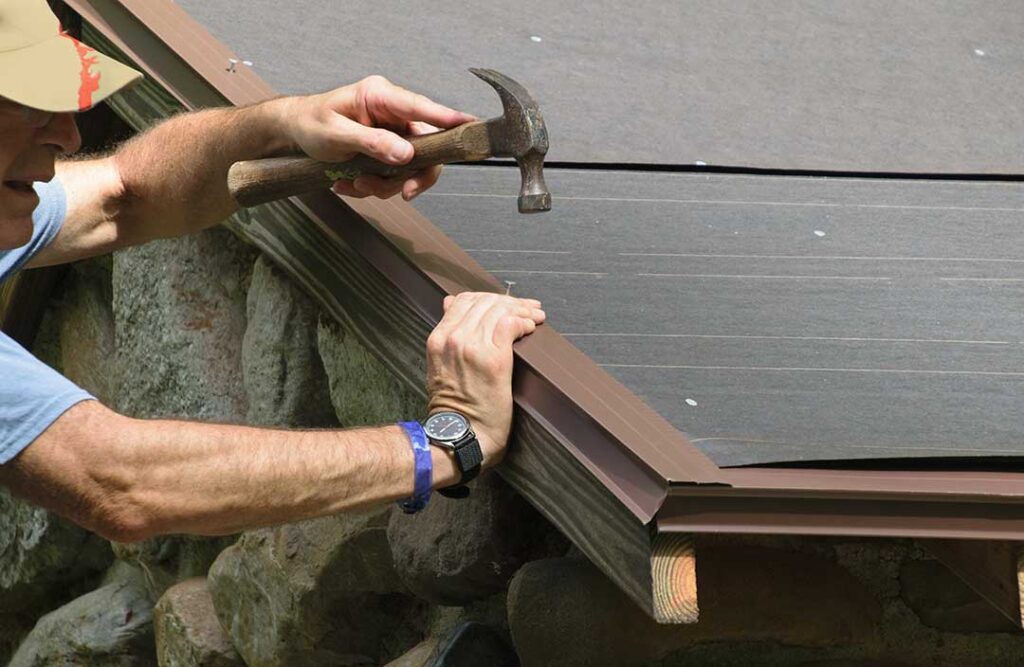
Roof coatings are liquid-applied materials designed to protect an existing roof surface from water, sunlight, temperature changes, and weathering. They can extend the useful life of some roofs, but they are not a universal repair and cannot correct every underlying roofing problem.
For households in Ithaca, roof coatings deserve careful evaluation because roofs experience freeze-thaw cycles, snow, rain, ice, wind, leaf debris, and long periods of moisture. The coating itself matters, but the condition and design of the existing roof matter more.
What exactly is a roof coating?
A roof coating is a protective layer applied over an existing roofing surface. Depending on the formulation, it may be made from acrylic, silicone, polyurethane, asphalt-based materials, or other specialized compounds.
Coatings are commonly used on low-slope or nearly flat roofs, including those found on additions, porches, garages, older commercial-style structures, and some residential buildings. They are less commonly suitable for steep roofs covered with individual shingles.
A coating is different from a new roof covering. It does not replace damaged decking, rotten sheathing, failed flashing, missing shingles, or inadequate drainage. Its purpose is usually to protect and seal a roof that is still fundamentally sound.
What are the main advantages?
The potential benefits depend on the roof’s current condition, the coating material, and the quality of surface preparation.
A coating may extend the service life of an aging roof
A sound but weathered roof may receive several additional years of protection from a properly selected coating. The coating can reduce exposure to ultraviolet light, water, and repeated temperature changes.
This may be useful when the roof is aging but does not yet require complete replacement. However, expected service life varies widely. A coating should not be treated as a guaranteed number of extra years.
It can seal small surface imperfections
Some coatings bridge minor cracks, pinholes, and surface irregularities. They may also help protect exposed roofing membranes or aging asphalt surfaces from continued weathering.
This benefit applies only to limited surface deterioration. Coating over active leaks, open seams, large cracks, or unstable materials can hide the problem without solving it.
Roof coatings can reduce water absorption
A continuous coating may make the surface less vulnerable to repeated wetting. This can be helpful on low-slope roofs where water remains on the surface longer than it would on a steep roof.
Drainage still matters. A coating cannot compensate for blocked drains, inadequate slope, sagging decking, or areas where water routinely collects.
Some coatings can improve summer heat performance
Reflective coatings are designed to reflect more sunlight than dark roofing materials. In suitable applications, they may reduce heat absorbed by the roof surface during sunny weather.
The effect is usually more noticeable on low-slope roofs with broad sun exposure. It may be less meaningful for a shaded roof, a steep roof with limited conditioned space below, or a building that already has strong insulation and ventilation.
Application may create less disruption than replacement
Roof coating work can sometimes be completed without removing the entire existing roof. That may reduce tear-off waste, noise, and the time a building is exposed to construction.
This is not the same as saying coating is always simpler. Cleaning, drying, repairs, masking, weather monitoring, and multiple application stages may still be necessary.
What are the disadvantages and limitations?
Roof coatings are often misunderstood as a low-cost substitute for a new roof. In reality, they work best within a fairly narrow range of conditions.
A coating cannot repair structural damage
If the roof deck is soft, the framing is weakened, or moisture has damaged insulation, a surface coating is not an adequate repair. The same is true for widespread membrane failure or severe deterioration beneath the visible surface.
Covering structural or moisture damage can make future repairs more complicated by concealing the location and extent of the problem.
They require careful preparation
Dirt, moss, loose granules, chalking, old flaking material, and trapped moisture can prevent proper adhesion. Seams, fasteners, penetrations, and flashing details often need separate repairs before the coating is applied.
In Ithaca’s damp seasons, drying time can be a significant concern. A surface may look dry while moisture remains in seams, insulation, or porous roofing materials. Applying a coating too soon can trap that moisture.
Weather affects installation and curing
Most coatings require suitable temperatures and dry conditions during application and curing. Cold temperatures, rain, heavy dew, and high humidity can delay curing or weaken the finished film.
The practical installation window may be narrower than a property owner expects, particularly during spring and fall. A coating applied under poor conditions may appear acceptable at first but fail prematurely.
Ponding water remains a serious warning sign
Many roof coatings are marketed as waterproof, but prolonged ponding can still cause blistering, softening, adhesion failure, or premature wear. A roof that holds water for extended periods may need drainage improvements rather than simply another layer of material.
Flat does not mean level. Low-slope roofs are generally designed to move water toward drains, scuppers, or edges. Those drainage paths must remain open and functional.
The coating may need periodic renewal
A coated roof is not maintenance-free. It may need inspection, cleaning, seam repairs, and additional coating after the surface begins to wear.
Leaves, branches, ice, and snow-clearing activity can damage the coating. Mechanical equipment, foot traffic, and careless shoveling can also create cuts or punctures.
Appearance and texture may change
Some coatings produce a bright or noticeably different surface. Others may collect dirt, show roller or spray patterns, or become discolored over time.
On a visible residential roof, appearance may be a practical consideration. A coating should be evaluated not only for performance but also for how it will look from nearby windows, upper floors, and neighboring properties.
Which roofs are usually good candidates?
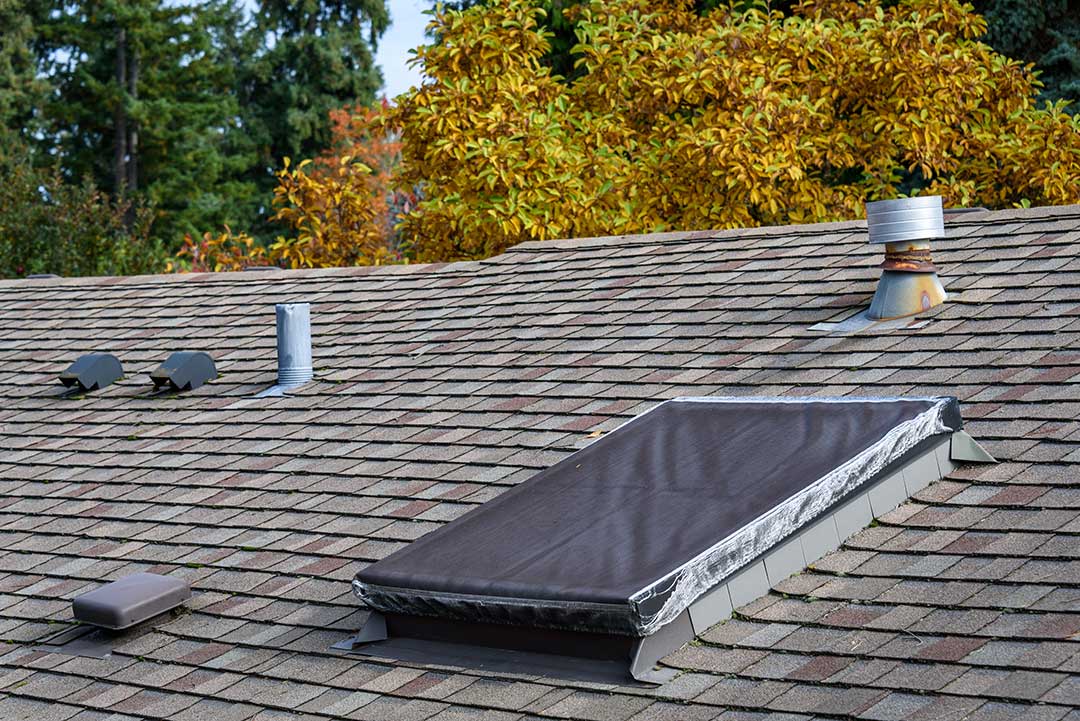
A roof coating is more likely to be appropriate when:
- The roof has only minor surface wear.
- The existing membrane or roofing material is firmly attached.
- The roof deck is sound and dry.
- Leaks are limited, understood, and repairable.
- Seams, flashing, drains, and penetrations can be restored.
- The surface has enough remaining service life to justify the work.
- The roof has adequate drainage.
A coating is less suitable when the roof has widespread leaks, soft decking, severe blistering, extensive ponding, loose materials, concealed moisture, or a history of repeated failed repairs.
Are roof coatings suitable for shingle roofs?
Sometimes, but coating asphalt shingles is not automatically beneficial. Shingles are manufactured to function as layered, mechanically fastened roof coverings. Applying a continuous film can affect granule retention, ventilation, appearance, and future repairability.
Coating may also cover nail heads, sealant details, and areas that need to remain visible for inspection. Any product used on a shingle roof must be specifically appropriate for that roofing material and compatible with its condition.
For many steep-slope homes, targeted repairs or eventual replacement are more appropriate than coating the entire roof.
What should residents ask before choosing a coating?
The most useful questions concern the roof beneath the coating:
- What roofing material is already in place?
- Where is moisture entering, if there is a leak?
- Is the roof deck dry and structurally sound?
- How will ponding water be addressed?
- What preparation and repairs are required?
- What temperature and weather conditions are needed?
- How will roof edges, vents, skylights, chimneys, and flashing be handled?
- How will future leaks be located if the surface is coated?
- What maintenance will the finished roof require?
A written scope should distinguish between preparation, repairs, coating material, number of coats, thickness, curing conditions, and maintenance expectations.
The most realistic view is that roof coating can be a useful preservation measure for the right roof. It is not a cure for poor drainage, hidden moisture, structural deterioration, or an exhausted roofing system. Careful evaluation is especially valuable in a climate where wet weather, snow, and repeated freezing and thawing place steady stress on exterior materials.
