
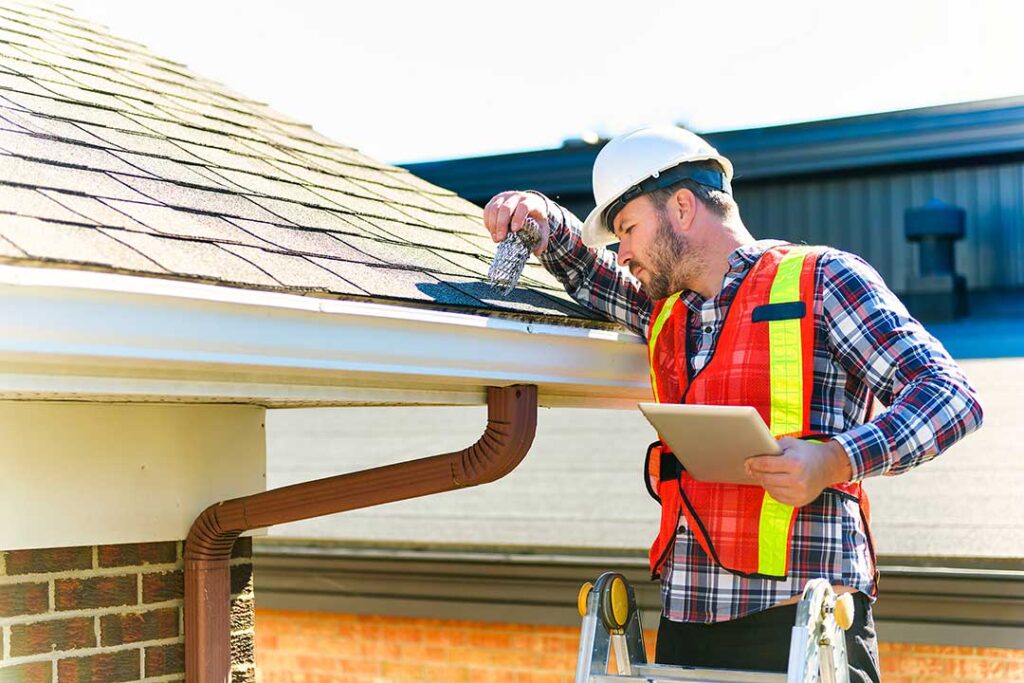
Solar panels can work well on homes in Ithaca, NY, but the roof should be evaluated before the equipment is designed around it. A solar array may remain in place for 25 years or more, so the roof, framing, drainage, and future maintenance plan all deserve attention before installation.
Is your roof in good enough condition for solar panels?
A roof should generally have substantial remaining service life before panels are installed. If shingles, membranes, flashing, or roof decking are already near replacement, adding solar first can create extra cost because the array may need to be removed and reinstalled during future roofing work.
Warning signs that deserve attention include:
- Curling, cracked, brittle, or missing shingles
- Repeated leaks or stained attic sheathing
- Sagging roof areas
- Soft decking beneath the roofing
- Rusted flashing or exposed fasteners
- Multiple existing roof layers
- Heavy moss or persistent moisture damage
A roof does not have to be new to support solar, but its condition should be understood. A roof inspection is especially useful when the covering is older, the attic is difficult to access, or previous repairs are poorly documented.
Can a roof support the additional weight?
Most sound residential roofs are designed to carry more than their own dead load, but solar panels and racking still add weight. The concern is not only the total weight. The design must also account for snow, wind, attachment points, roof shape, and how loads transfer into the rafters or trusses.
Snow is a practical consideration in this region. Panels can shed snow suddenly, and snow drifting may create uneven loads in certain roof areas. Racking and attachments must be designed for local weather conditions rather than treated as a one-size-fits-all installation.
Older homes, roofs with visible sagging, unusual framing, additions, and structures with wide rafter spacing may require more detailed structural review. Any concern about framing capacity should be resolved before work begins.
How do roof penetrations affect leak risk?
Most roof-mounted solar systems use attachments that connect the racking to the roof structure. Each attachment creates a location where water must be kept out through proper flashing, sealants, and installation methods.
The panels themselves do not usually cause leaks simply because they are present. Problems are more often associated with:
- Attachments installed outside suitable structural areas
- Improper or damaged flashing
- Sealants used as a substitute for proper water-shedding details
- Fasteners that are too short, loose, or incorrectly placed
- Installations that interfere with existing flashing
- Poor access for future roof repairs
Roof penetrations should be planned around valleys, ridges, skylights, chimneys, plumbing vents, and other features. Drainage paths must remain clear, especially on roofs with complicated slopes or limited working space.
Which roof areas are suitable for panels?
A roof with strong sun exposure and minimal shade will generally produce more electricity. South-facing roof planes are often favorable, but east- and west-facing surfaces can also be useful depending on the home’s energy needs and the amount of available roof area.
Trees, nearby buildings, chimneys, dormers, and roof features can create shade at different times of day. In a hilly and wooded area, shade patterns may change significantly between winter and summer. Deciduous trees can allow more winter sunlight after leaves fall, while evergreen trees may provide year-round obstruction.
The best roof area is not always the largest one. A smaller, unshaded section with simple geometry may be more practical than a larger roof plane interrupted by vents, valleys, and dormers.
What should homeowners know about snow and ice?
Solar panels do not eliminate winter roof concerns. Snow may remain on the panels, slide from them, or melt unevenly when sunlight reaches the surface. Falling snow can affect walkways, lower roofs, vehicles, plantings, and entrances.
Panel placement should account for where snow is likely to shed. In some locations, snow guards may be appropriate, while in others they may add cost and additional roof attachments. A design should also preserve safe access to roof drainage and avoid creating new areas where ice can accumulate.
Solar panels should not be treated as a way to prevent ice dams. Ice dams are generally related to heat loss, attic ventilation, air leakage, roof geometry, and snow conditions. Improving attic performance may be necessary even when solar is being considered.
Will solar panels make roof maintenance harder?
Panels can limit direct access to portions of the roof. They may also make it more difficult to inspect shingles, flashing, vents, and drainage details beneath or around the array.
Before installation, homeowners should understand how future maintenance will be handled. Useful questions include:
- Which roof areas will remain accessible?
- Can gutters, valleys, and plumbing vents still be inspected?
- How will a roof leak beneath the array be traced?
- Who is responsible for panel removal if reroofing becomes necessary?
- Will records show the location of hidden attachments and wiring?
- Are walkways or clearances needed for fire or maintenance access?
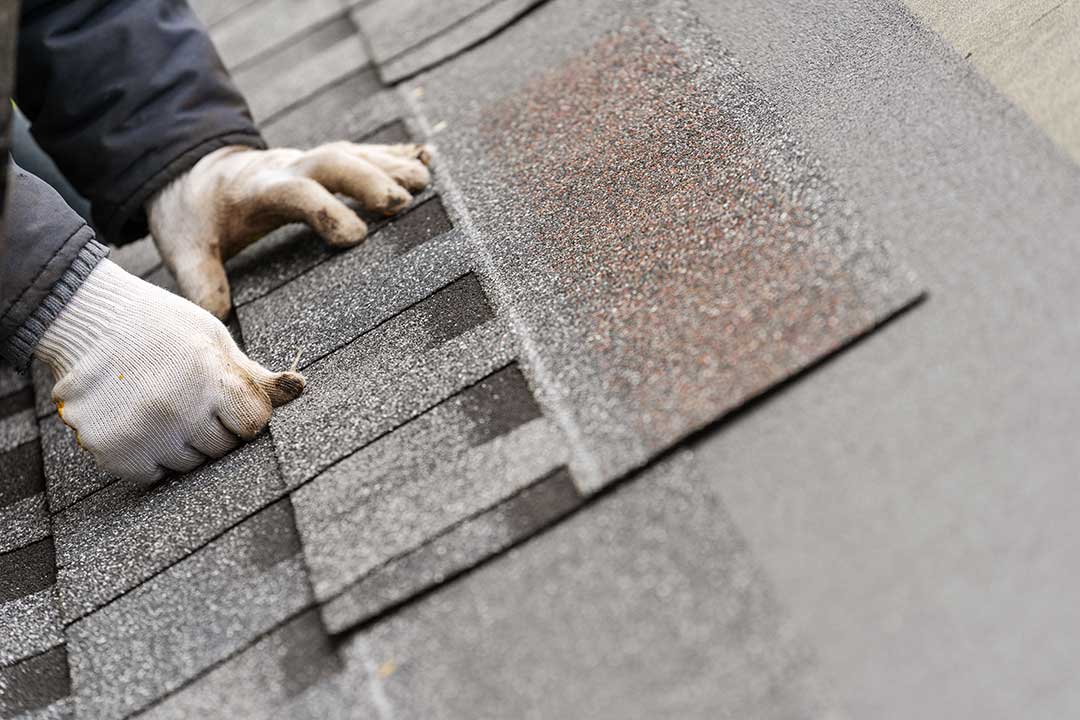
Keeping photographs, diagrams, permits, warranties, and installation records can make future roof work easier. This information is particularly valuable if the property changes ownership.
Should a roof be replaced before solar installation?
Replacement may make sense when the roof is near the end of its expected life or has widespread deterioration. Installing panels over a roof that may need replacement soon can lead to two major projects instead of one, along with removal and reinstallation costs.
A replacement is not automatically required. A relatively new, well-maintained roof may be suitable without additional work. The decision depends on the roof covering, installation quality, remaining life, structural condition, and the expected duration of the solar system.
The roofing material also matters. Asphalt shingles are common, but homes may have standing-seam metal, membrane roofing, wood products, or older specialty materials. Attachment methods differ by roof type, and some systems can avoid penetrations while others cannot.
What permits or local rules may apply?
Solar work commonly involves building and electrical requirements, and local permitting should be confirmed before construction. Requirements may address structural calculations, roof access, fire safety, equipment placement, wiring, and inspections.
Rules can differ depending on whether the property is within the city or another nearby jurisdiction. Historic districts, special zoning areas, and unusual roof configurations may create additional review requirements. The design should be checked against the applicable local rules rather than relying on assumptions from another community.
Does solar protect the roof?
Panels can shield some roofing from direct sunlight, rain, and weathering, but they do not make the roof maintenance-free. Areas around attachments, edges, wiring routes, and drainage features still require inspection.
A panel array may also hide early signs of roof deterioration. Routine observation from the ground, attic checks when appropriate, and attention to interior stains or musty odors remain useful. Snow, wind, fallen branches, and ice can affect both the roof and the solar equipment.
What is the most practical order of planning?
The roof should be evaluated before the solar layout is finalized. A sensible sequence is:
- Review the roof’s age, material, condition, and repair history.
- Check attic framing, decking, ventilation, and signs of moisture.
- Identify shade, roof obstructions, drainage paths, and snow-shedding areas.
- Confirm structural and electrical requirements.
- Compare the expected solar service life with the roof’s remaining life.
- Preserve documentation for future roofing and electrical work.
Solar panels can be a sound addition to a home, but the long-term result depends on treating the roof as part of the system—not merely as a surface on which equipment is placed.
