
Does a new roof increase home value?
A new roof can improve a home’s marketability, reduce buyer concerns, and protect against price reductions during negotiations. It does not always return its full installation cost dollar for dollar, but its value often comes from a combination of improved condition, lower near-term maintenance risk, and stronger buyer confidence.
For homeowners in Ithaca, a roof’s condition can be especially influential because properties must withstand winter snow, freeze-thaw cycles, wind, heavy rain, and periods of damp weather. A roof that appears dependable can make a meaningful difference when buyers compare homes with similar layouts and locations.
The value of a replacement depends on several factors:
- The age and condition of the existing roof
- The quality of the installation and materials
- Whether the roof system includes proper ventilation, flashing, and underlayment
- The overall condition of the home
- Local buyer expectations and comparable property sales
- Whether the replacement is completed before serious leaks or interior damage occur
A new roof is usually most valuable when the existing one is visibly worn, near the end of its expected service life, or showing signs of water intrusion.
Why does roof condition matter to buyers?
Roof condition matters because it represents a large, unavoidable expense. Buyers may accept cosmetic updates that can be completed gradually, but a roof replacement is more difficult to postpone when leaks, missing shingles, or structural concerns are present.
During a home purchase, a roof that appears near the end of its useful life may lead buyers to:
- Request a price reduction
- Ask the seller to make repairs
- Seek a credit at closing
- Reconsider the purchase
- Have difficulty obtaining certain insurance coverage
A roof that has several years of dependable service remaining can remove some of that uncertainty. Buyers may be more comfortable focusing on the home’s layout, location, energy performance, or interior features instead of immediately calculating the cost of major exterior work.
The roof does not need to be brand new to support value. A well-maintained roof with clear documentation may be viewed more favorably than a recently replaced roof with questionable workmanship or incomplete records.
How much of the replacement cost is recovered?
The amount recovered varies, and there is no universal percentage that applies to every property. Roof replacement is generally considered a value-preserving improvement more than a guaranteed profit-producing project.
A homeowner may recover value through several forms:
1. Direct market value: The home may compare more favorably with similar properties.
2. Reduced negotiation pressure: Buyers have less reason to request a large concession for immediate roof work.
3. Faster decision-making: A sound roof can remove a major source of uncertainty.
4. Reduced repair risk: Preventing leaks may protect ceilings, insulation, framing, flooring, and personal property.
5. Improved insurance position: A newer roof may be viewed more favorably by insurers, although coverage rules vary.
The financial return tends to be stronger when the old roof is failing than when it is merely older. Replacing a roof that is already leaking or visibly deteriorated may prevent a larger loss in value caused by water damage.
Is replacing a roof before selling always worth it?
No. Replacing a roof before selling is not automatically the best financial choice. The decision should be based on condition, timing, expected selling price, and the likely reaction of buyers and inspectors.
Replacement may make more sense when:
- The roof has active leaks
- Shingles are missing, curling, cracked, or deteriorated
- There is visible sagging or damaged flashing
- An inspection is likely to identify significant concerns
- The roof is near the end of its expected service life
- Comparable homes are generally well-maintained
- The property will remain on the market through a demanding winter season
A replacement may be less compelling when the roof is functional, regularly maintained, and unlikely to create an inspection issue. In that situation, cleaning up minor deficiencies and providing accurate maintenance records may be sufficient.
A useful way to think about the decision is to compare the cost of replacement with the likely alternatives: a lower sale price, buyer credits, delayed closing, repair demands, or damage caused by waiting.
What roof features support home value?
A roof’s value depends on more than the visible shingles. Buyers and inspectors may also look at the surrounding components that determine how well the system performs.
Important features include:
- Properly installed flashing around chimneys, walls, skylights, and roof penetrations
- Adequate attic ventilation
- Sound decking beneath the roofing material
- Effective underlayment and water-shedding details
- Correct drainage around valleys and roof edges
- Properly secured areas exposed to wind
- Clean, functional gutters and downspouts
- Evidence that previous leaks were repaired completely
In a cold, snowy climate, attic ventilation and insulation can affect moisture control and winter performance. Poor ventilation may contribute to condensation, frost buildup, premature shingle aging, or ice-related problems. A roof can look new from the ground while still having underlying issues if these details were overlooked.
Can a new roof improve appraisal results?
A new roof may support an appraisal, but it does not guarantee a higher appraised value. Appraisals are based primarily on market evidence, property condition, size, features, and comparable sales.
The roof can influence the condition assessment and the appraiser’s view of deferred maintenance. A recently replaced roof may help demonstrate that the property has received substantial upkeep. However, the improvement may not be fully reflected as a separate line-item increase because appraisers typically evaluate the home as a complete property rather than adding the exact cost of every improvement.
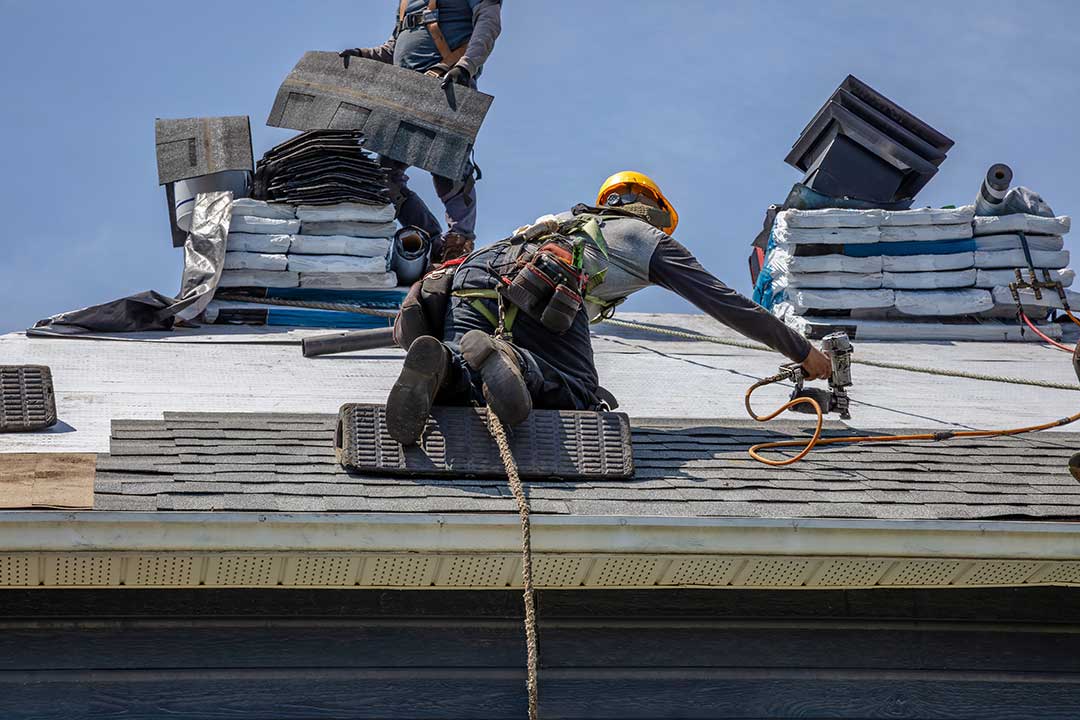
Documentation can help establish the roof’s condition. Useful records may include:
- The installation date
- Materials used
- Areas of the roof that were replaced
- Permits or inspection records, when applicable
- Warranty information
- Photos taken during the work
- Details about repairs to decking, flashing, or ventilation
Keeping these records with other home maintenance documents gives future buyers clearer information and reduces uncertainty.
Does roof color or material affect value?
Roof appearance can influence buyer perception, but durability and compatibility with the home usually matter more than color alone. A roof that complements the architecture and surrounding neighborhood may improve curb appeal, while an unusual or poorly matched choice could limit appeal to some buyers.
Material selection should account for slope, exposure, ventilation, maintenance needs, snow conditions, and the home’s existing structure. The most expensive option is not automatically the most valuable. A practical, properly installed roofing system that suits the property may provide a better return than an expensive material chosen mainly for appearance.
Consistency also matters. A new roof may look out of place if gutters, siding, trim, or exterior drainage are severely neglected. Buyers often evaluate the roof as part of the overall condition of the house.
What common mistakes reduce the value of a new roof?
A roof replacement may provide less value if the work is completed without addressing related problems. Common mistakes include replacing only the visible shingles while leaving damaged decking, deteriorated flashing, blocked ventilation, or drainage issues unresolved.
Other problems include:
- Choosing materials solely on the lowest upfront price
- Failing to document the work
- Ignoring signs of attic moisture
- Covering existing defects instead of correcting them
- Neglecting gutters and downspouts
- Making major improvements shortly before selling without considering the local market
- Assuming a warranty guarantees proper maintenance or long-term performance
The strongest value usually comes from a complete, well-documented roofing system that protects the home and gives buyers a reasonable expectation of future performance.
How should homeowners evaluate the decision?
Homeowners should begin with the roof’s actual condition rather than the hope of increasing resale value. A roof that is sound may only need routine maintenance and monitoring. A roof with active leaks, widespread deterioration, or structural concerns may require prompt attention for reasons that go beyond resale.
For a property in Ithaca, the most practical evaluation includes:
- Reviewing the roof’s age and repair history
- Checking attic spaces for moisture, staining, or inadequate airflow
- Looking for damaged flashing, loose materials, and drainage problems
- Considering how the roof will perform through snow and freeze-thaw conditions
- Comparing likely replacement costs with possible buyer concessions
- Preserving detailed records for future disclosure and inspection
A new roof can strengthen a home’s value by reducing uncertainty and protecting the property’s condition. Its greatest benefit is often not a dramatic increase in the sale price, but the ability to present a home that is less likely to create immediate expense, negotiation difficulty, or concern during the buying process.
