
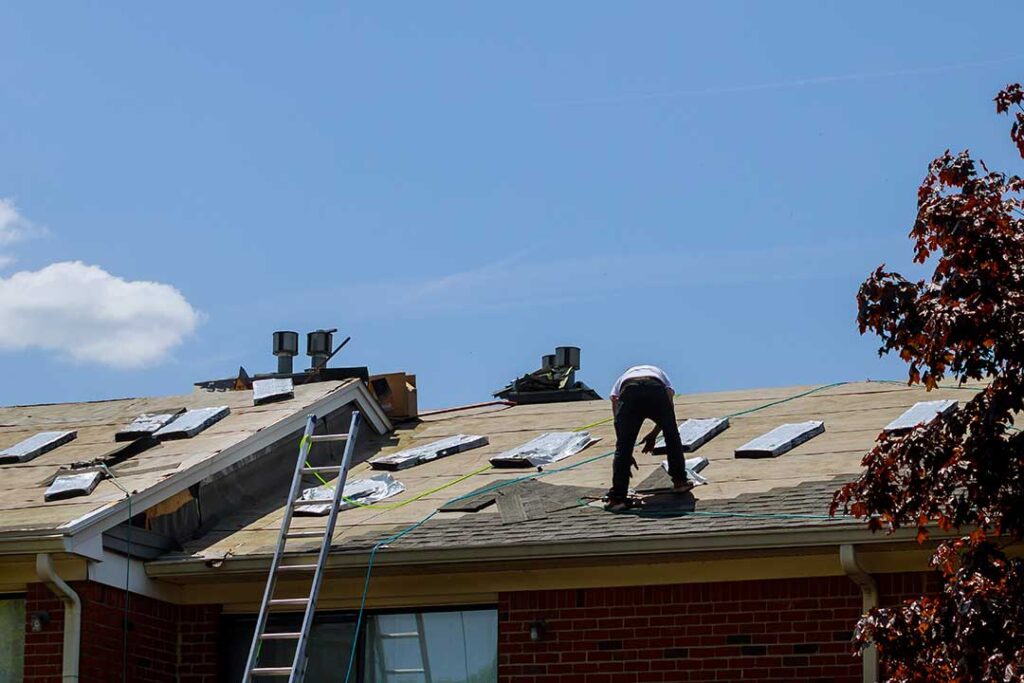
What is a roof coating?
A roof coating is a fluid-applied layer installed over an existing roofing surface to protect it from water, sunlight, temperature changes, and everyday wear. Depending on the material, a coating may be acrylic, silicone, polyurethane, rubberized asphalt, or another elastomeric product.
Roof coatings are not the same as replacing a roof. They add a protective surface over a roof that is still structurally sound and generally free of widespread moisture damage. A coating can extend the useful life of some roofing systems, but it cannot correct major sagging, rotten decking, severe leaks, or extensive material failure.
For homes and small buildings in Ithaca, roof coatings may be considered for certain low-slope or nearly flat roofs, porch roofs, additions, garages, and other areas where water drains more slowly. They are less commonly suited to steep residential roofs covered with conventional asphalt shingles.
What are the main advantages of roof coatings?
The strongest argument for a roof coating is that it can protect an otherwise serviceable roof without immediately removing the existing roofing materials.
Extended service life
A coating can reduce exposure to ultraviolet light, rain, freeze-thaw cycles, and surface oxidation. On a roof that has been properly maintained, this added protection may delay more extensive replacement work.
The result depends heavily on the roof’s condition before installation. A coating applied over a dry, stable surface has a much better chance of performing well than one installed over damp insulation, loose roofing, or active deterioration.
Improved water resistance
Many coatings create a continuous membrane with fewer exposed seams and small surface cracks. This can reduce minor water entry, particularly on low-slope roofs where puddling and slow drainage create repeated stress.
A coating does not eliminate the need for proper drainage. Standing water that remains for long periods can eventually weaken or separate the coating, especially if the underlying roof has drainage problems.
Reflecting heat and sunlight
Light-colored coatings can reflect a portion of the sun’s energy and keep the roof surface cooler during warm weather. This may reduce heat transfer into upper rooms or unfinished attic areas.
The benefit is usually more noticeable on low-slope roofs with broad, exposed surfaces. In Ithaca, summer heat is only one part of the roofing equation, so a reflective coating does not replace attention to winter moisture, snow, ice, and ventilation.
Less tear-off material
Because a coating may be installed over an existing roof, it can reduce the amount of roofing material sent to a landfill compared with a complete tear-off. It may also create less short-term disruption around the building.
That environmental advantage should not be overstated. The roof still needs preparation, repairs, and eventual disposal when the coating and underlying roof reach the end of their service lives.
Potentially lower short-term cost
A coating project can cost less than full replacement when the existing roof is fundamentally sound. However, the total cost depends on cleaning, repairs, primers, reinforcement, access, drainage corrections, and the number of coating layers required.
A low initial price may not represent good value if the roof needs significant repairs before the coating can perform properly.
What are the disadvantages and limitations?
Roof coatings have meaningful drawbacks. They are not a universal solution, and applying one to a failing roof can hide problems rather than solve them.
A coating cannot repair structural damage
Coatings do not restore sagging decking, rotted sheathing, damaged rafters, failed insulation, or widespread deterioration. They also cannot correct a roof that has lost its basic ability to shed water.
If moisture has entered the roof assembly, the source and extent of the damage need to be understood before a surface coating is considered. Covering wet materials can trap moisture and accelerate decay.
Preparation is often the most important part
The existing roof may need to be swept, washed, dried, patched, reinforced at seams, and treated with a compatible primer. Fasteners, penetrations, drains, edges, and transitions require careful attention.
Poor preparation can lead to peeling, blistering, pinholes, weak adhesion, and leaks around details. A coating that looks uniform from the ground may still have thin spots or unsealed areas.
Snow, ice, and freeze-thaw conditions add stress
Ithaca experiences cold winters, repeated freezing and thawing, snow accumulation, and ice formation. These conditions can test the bond between the coating and the roof surface.
Snow removal can also damage a coating if shovels or metal tools scrape the membrane. Ice dams and blocked drainage may create water pressure that no coating can withstand indefinitely.
Coatings require compatible surfaces
Not every coating works over every roofing material. Some products may bond poorly to aged membranes, contaminated surfaces, certain plastics, or roofs with residual oils and chemicals.
Compatibility also matters when different coating materials have been used in the past. Applying a new layer without confirming the condition and composition of the existing surface can create adhesion failures.
Appearance and maintenance may be concerns
A coating may fade, chalk, stain, or collect dirt. Light colors can show biological growth or runoff marks, especially where shade and moisture persist.
Coated roofs still need periodic inspection. Small punctures, open seams, damaged flashings, clogged drains, and new ponding areas should be addressed before they become larger problems.
Which roofs are better candidates?
A roof coating is generally more appropriate when:
- The roof has a stable surface with no widespread softness or sagging.
- Leaks are limited, understood, and repairable.
- Drainage works properly and water does not remain for extended periods.
- The existing roofing material is compatible with the selected coating.
- Flashings, edges, penetrations, and roof-to-wall transitions are in reasonably good condition.
- The building owner expects maintenance rather than a permanent, maintenance-free solution.
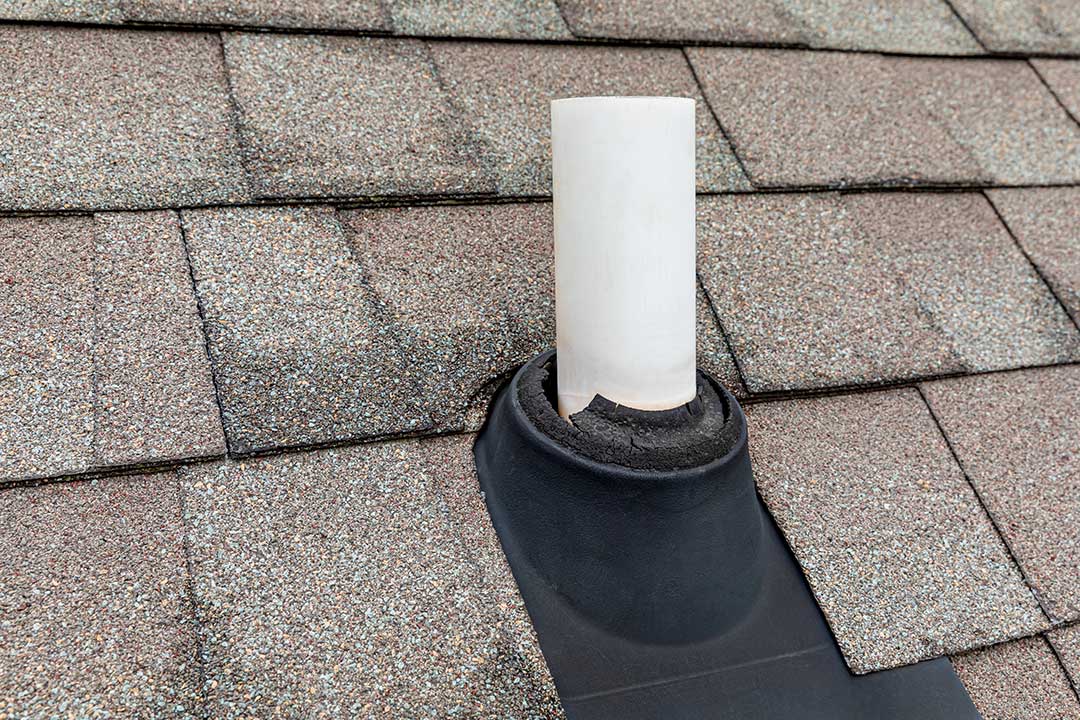
Low-slope roofs are often the most logical candidates because coatings can create a more continuous waterproofing layer across broad surfaces. Small additions, enclosed porches, and detached structures may also have roof shapes that make coatings practical.
Steep asphalt-shingle roofs are usually not suitable for simply applying a generic coating. Shingles depend on their designed surface texture, granules, and overlap pattern. Coating them can interfere with drainage, conceal damage, or affect future repair work.
Can roof coatings stop an existing leak?
Sometimes, but only when the leak is caused by a limited surface defect and the underlying roof remains sound. A coating may help after cracks, seams, or minor penetrations are repaired and the surface is properly prepared.
It is not reliable to coat over an unidentified leak and assume the problem is solved. Water can travel beneath roofing materials, entering far from the visible stain inside the building. A roof may appear dry during installation and still contain trapped moisture.
If leaks occur near chimneys, skylights, vents, walls, drains, or roof edges, those details deserve particular attention because they often fail before the main field of the roof.
Are roof coatings a good choice for every building?
No. The decision depends on roof age, material, slope, drainage, moisture history, ventilation, access, and the expected time before major replacement.
A coating may make sense as part of a planned maintenance strategy for a roof with several useful years remaining. It may be a poor choice for a roof already showing extensive blistering, rotten decking, recurring leaks, damaged insulation, or widespread membrane separation.
Seasonal timing also matters. Most coatings require a clean, dry surface and temperatures within the product’s application range. Cold weather, rain, dew, and high humidity can delay curing or affect adhesion. In the local climate, a narrow installation window may be available during spring, summer, and early fall, depending on weather conditions.
What should residents check before choosing a coating?
Before treating a roof, the most useful questions are practical:
- What roofing material is already present?
- Is the roof dry beneath the surface?
- Are there areas of sagging, softness, blistering, or separation?
- Does water drain properly after rain?
- Are flashings and penetrations sound?
- Is the coating compatible with the existing roof?
- How will snow, ice, and future repairs affect the finished surface?
- What inspection and maintenance will be needed afterward?
A roof coating is best understood as a protective maintenance layer, not a substitute for sound construction. For buildings in Ithaca, the most dependable results come from matching the coating to the roof, correcting drainage and moisture problems first, and recognizing that winter conditions will continue to shape the roof’s performance.
