
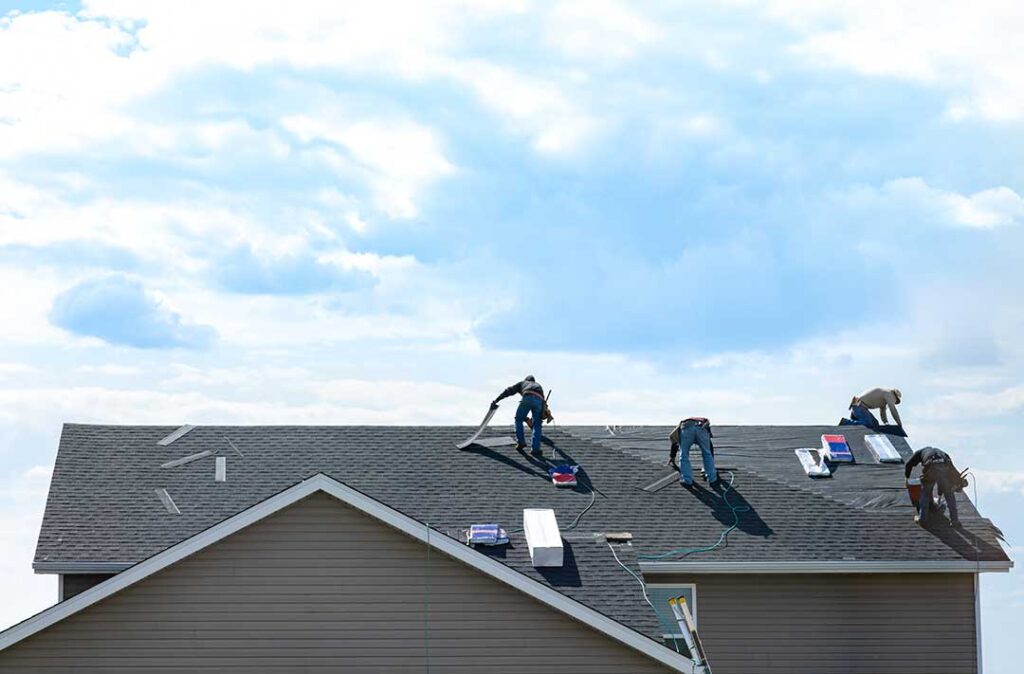
What should homeowners check before winter arrives?
Preparing a roof for winter means reducing the risk of leaks, ice dams, wind damage, and snow-related problems before freezing weather begins. In Ithaca, NY, repeated freeze-thaw cycles, snow, ice, and strong winter winds can expose small roof weaknesses that may go unnoticed during warmer months.
A useful inspection should cover the roof surface, drainage system, attic, roof penetrations, nearby trees, and areas where water has entered before. The goal is not to make the roof “winterproof,” but to correct conditions that could become more serious during cold weather.
How can you inspect the roof safely?
A roof inspection from the ground is often enough to identify warning signs. Use binoculars if needed, and avoid climbing onto a wet, icy, steep, or snow-covered roof.
Look for:
- Missing, cracked, curled, or lifted shingles
- Dark areas that may indicate trapped moisture
- Sagging sections along the roofline
- Damaged flashing around chimneys, vents, skylights, and wall intersections
- Exposed roofing materials or loose edges
- Gutters pulling away from the fascia
- Heavy moss or debris buildup
- Tree limbs resting on or hanging close to the roof
A small roofing defect can allow water to enter during wind-driven rain. Once temperatures drop, that moisture may freeze, expand, and worsen the damage.
Check the underside of the roof from the attic or uppermost interior space as well. Look for water stains, damp insulation, rusty nails, mold-like discoloration, or daylight visible through the roof deck. Old stains do not always mean an active leak, but fresh discoloration or dampness deserves attention before winter storms arrive.
Why are gutters and downspouts part of winter roof preparation?
Gutters and downspouts help move melting snow and rain away from the roof and foundation. If they are blocked, water can back up beneath roofing materials or freeze along the eaves.
Remove leaves, twigs, and sediment from the gutters before temperatures stay below freezing. Confirm that downspouts are securely connected and discharge water far enough away from the foundation. Extensions should not direct water onto walkways where it can freeze into a slipping hazard.
Check for low spots in the gutter system where water remains after cleaning. Standing water can freeze, add weight, and contribute to sagging or separation. Gutters that are already loose may not withstand the combined weight of ice and snow.
After a heavy storm, avoid striking ice from gutters or roof edges. Chipping can damage shingles, flashing, gutters, and the roof edge.
How can homeowners reduce the chance of ice dams?
Ice dams form when heat escapes into the attic and warms the underside of the roof. Snow melts on the warmer upper roof, then refreezes near the colder eaves. The resulting ice barrier can trap water behind it.
The most effective prevention focuses on the attic rather than the visible ice. Important measures include:
- Adding or correcting insulation at the attic floor
- Sealing air leaks around light fixtures, wiring, plumbing penetrations, and attic hatches
- Keeping soffit and ridge ventilation paths open
- Preventing bathroom and kitchen exhaust from venting into the attic
- Making sure insulation does not block intake vents at the eaves
Roof ventilation does not replace adequate insulation and air sealing. Both systems need to work together: insulation limits heat transfer, while ventilation helps remove moisture and excess heat from the attic.
Do not use roof salt, improvised heating devices, or open flames to remove ice. These methods can damage roofing materials, create fire hazards, or cause water to enter the home. If an ice dam is already causing interior leakage, the safest response may require specialized equipment and precautions.
Does snow need to be removed from the roof?
Most residential roofs are designed to carry ordinary seasonal snow, but unusually deep, wet, or uneven snow can create additional stress. Snow removal is not automatically necessary after every storm.
Pay attention to warning signs such as:
- New sagging in ceilings or rooflines
- Doors or windows that suddenly stick
- Cracking sounds from the attic or framing
- Severe leaks during or after snowfall
- Large snowdrifts concentrated on one roof section
- Snow accumulation against lower roofs or additions
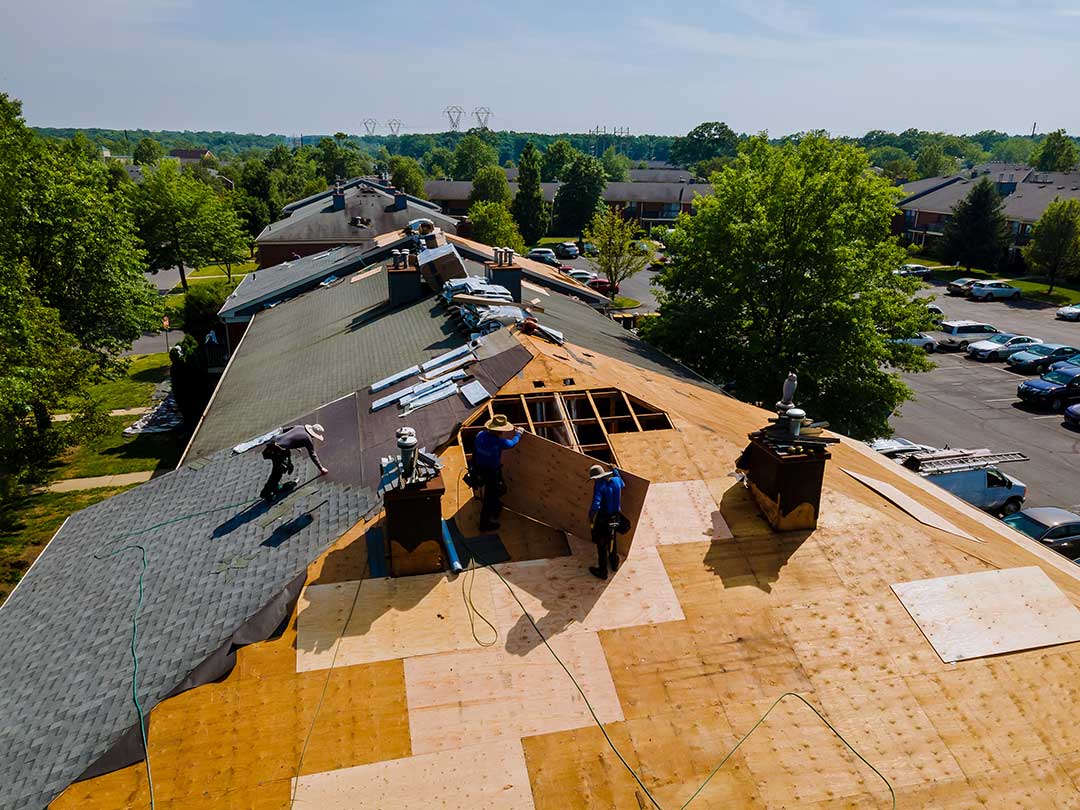
Never climb onto a snow-covered roof without proper training and fall protection. Snow can conceal weak areas, skylights, low edges, and slippery surfaces. Removing snow from the ground with a roof rake may be appropriate for some low-slope sections, but pulling snow aggressively can damage shingles and gutters.
Uneven snow accumulation may result from wind, nearby roof sections, dormers, or changes in roof height. Those areas deserve closer observation because concentrated loads can affect the structure differently than evenly distributed snow.
What should be checked around chimneys, vents, and skylights?
Roof penetrations are common sources of winter leaks. Examine the flashing around chimneys, plumbing vents, exhaust vents, skylights, and satellite or utility penetrations.
Look for cracked sealant, lifted flashing, rust, gaps, and materials that appear loose. Rubber components around plumbing vents can become brittle with age. Chimney masonry should also be checked for open joints, damaged caps, or loose bricks that could allow water to enter and freeze.
Do not cover or block exhaust vents to keep cold air out. Properly functioning vents are necessary to control attic moisture and safely discharge air from bathrooms, kitchens, and heating equipment.
Can nearby trees damage a roof in winter?
Trees near a home should be checked before heavy snow and ice arrive. Dead branches, weak limbs, and branches that already touch the roof can break under winter weight or during high winds.
Pay particular attention to limbs above roof valleys, chimneys, skylights, and electrical service lines. Even small branches can scrape shingles repeatedly or puncture roofing during a storm.
Do not attempt to cut large, high, or tensioned branches from a ladder. Branch removal can involve falling limbs, power lines, and unstable footing, making it a situation where specialized safety help may be necessary.
What indoor signs suggest a winter roof problem?
Interior warning signs can appear before a major leak develops. Watch for brown or yellow ceiling stains, peeling paint, damp attic insulation, musty odors, and water around upper-floor windows or exterior walls.
During cold weather, also look for frost in the attic. Frost can form when warm, moist household air enters the attic and condenses on cold surfaces. When it melts, the water may resemble a roof leak.
Keep records of where stains or damp areas appear and whether they follow rain, snow, or thawing conditions. This information can help distinguish roof leaks from condensation, plumbing problems, or ice-dam-related seepage.
When is roof work unsafe to delay?
Some conditions require prompt attention, especially active water entry, structural sagging, exposed decking, major storm damage, or a roof edge covered by unstable ice. Electrical hazards, falling branches, and suspected structural movement should not be handled as do-it-yourself projects.
For routine preparation, the safest approach is to complete ground-level checks, attic observations, gutter cleaning, and tree assessment before the first prolonged freeze. Winter weather makes roofs harder to inspect and repairs more hazardous, so early attention provides more options and reduces the chance that a minor defect becomes an emergency.
