
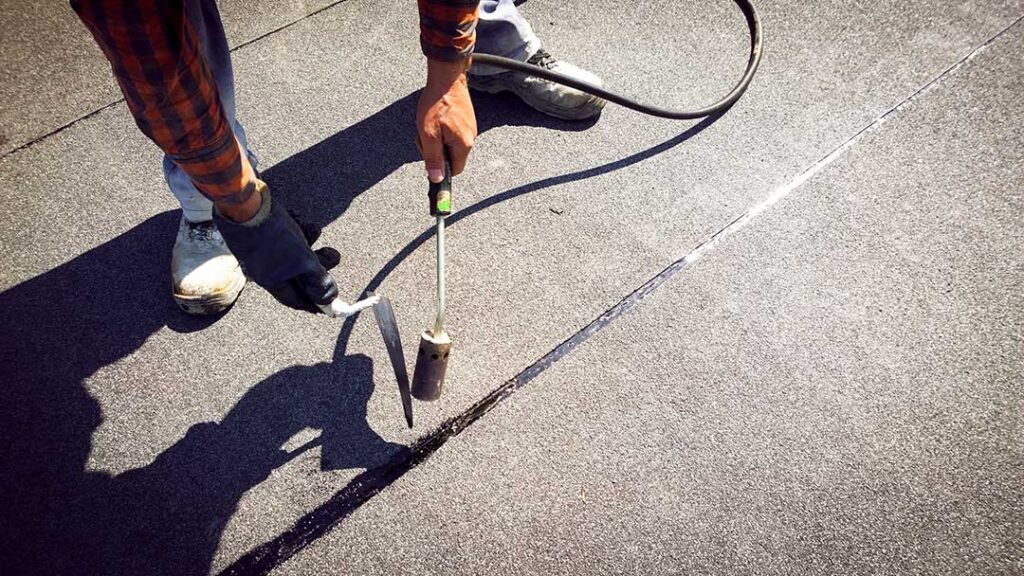
Strong winds can damage a roof even when shingles are not visibly missing. In Ithaca, NY, severe thunderstorms, fast-moving weather systems, and winter gusts can create pressure that loosens roofing materials, damages flashing, and allows water to enter during the next rainfall.
Understanding how wind affects different parts of a roof makes it easier to recognize problems early and respond safely.
How can severe wind damage a roof?
Severe wind damages roofs mainly through uplift, impact, and water intrusion. Wind moving across a roof can create suction along edges, ridges, eaves, and corners. These areas often experience more stress than the center of the roof.
Wind-related damage may include:
- Missing, lifted, cracked, or creased shingles
- Loose ridge caps or exposed fasteners
- Bent or detached flashing around chimneys, walls, and roof openings
- Damaged soffits, fascia, vents, and gutters
- Torn membrane roofing on low-slope sections
- Broken branches or other debris striking the roof
- Leaks that appear hours or days after the storm
A roof does not need to lose a large section of shingles to be affected. A single lifted shingle can expose the underlayment or roof deck to rain, melting snow, and repeated wind.
Which parts of a roof are most vulnerable?
Roof edges and transitions usually face the greatest wind pressure. Corners are especially vulnerable because air changes direction rapidly around them. Older roofing materials may become brittle or lose flexibility, making them more likely to crack or detach.
Areas that deserve close attention after high winds include:
- Eaves and rake edges
- Ridge caps and hip caps
- Valleys where two roof sections meet
- Flashing around chimneys, skylights, plumbing vents, and walls
- Roof-to-wall connections
- Dormers and other changes in roof shape
- Attached garages, porches, and low-slope additions
Homes with multiple roof sections can have more transition points where wind-driven rain enters. Additions and enclosed porches may also have different construction details from the original house, which can affect how they respond to gusts.
Can wind damage happen without missing shingles?
Yes. Shingles may remain in place while their seal strips loosen or their edges lift. Wind can also create small tears, creases, or cracks that are difficult to see from the ground.
Other hidden problems may include:
- Nails pulled partly out of the roof deck
- Plywood or sheathing that has flexed or separated
- Water beneath underlayment
- Cracked vent boots
- Displaced insulation or damp attic materials
- Loose flashing that has not detached completely
A roof may appear normal immediately after a storm, then develop staining or leaking during the next heavy rain. For this reason, signs inside the attic or upper floors can be just as useful as exterior observations.
What should residents look for after a windstorm?
Begin with a ground-level inspection. Do not climb onto a wet, damaged, icy, or steep roof. Look for changes that were not present before the storm.
From the ground, check for:
- Shingles in the yard, driveway, or gutters
- Uneven rows or patches on the roof
- Exposed dark underlayment or roof decking
- Detached gutters, downspouts, or fascia
- Hanging branches or damaged tree limbs
- Bent vents or displaced chimney components
- Granules collecting heavily near downspouts
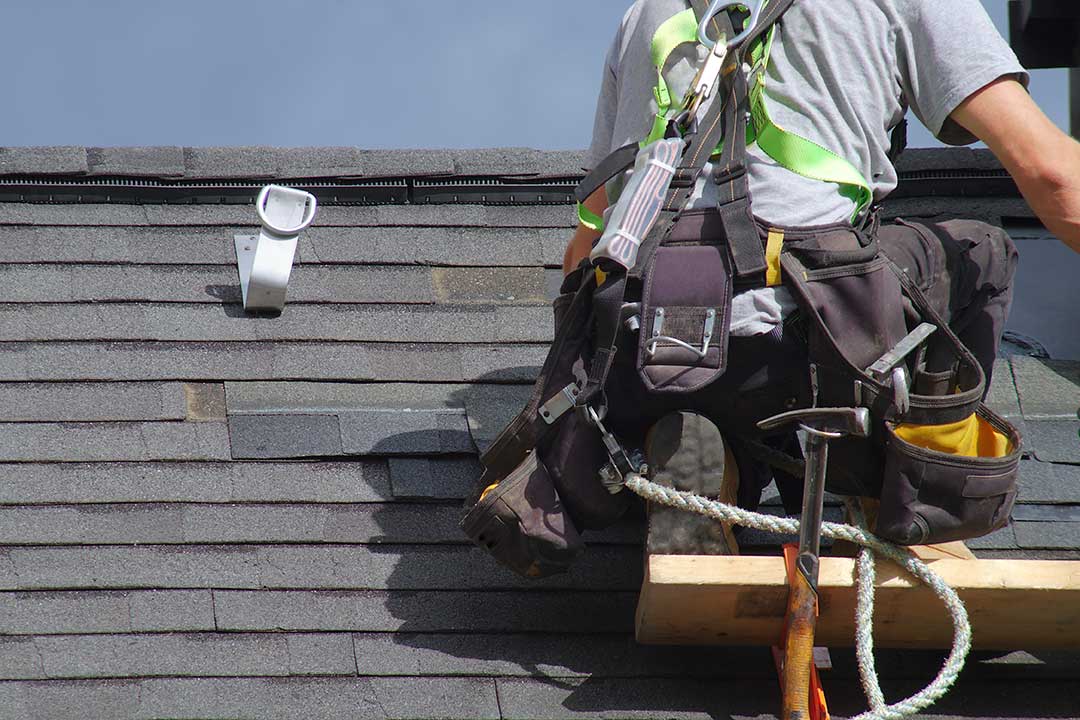
Inside the home, inspect ceilings, attic areas, and upper wall corners for water stains, damp insulation, musty odors, or daylight visible through the roof deck. A stain may not be directly below the leak because water can travel along rafters, sheathing, or insulation before appearing indoors.
Why are Ithaca roofs affected by seasonal wind?
Ithaca experiences several types of weather that can stress roofing systems. Summer thunderstorms may produce abrupt straight-line gusts, while fall and winter storms can combine wind with rain, wet snow, ice, and falling branches.
Winter conditions create additional complications. Wind can lift or loosen materials that have become stiff in cold temperatures. Repeated freezing and thawing may widen small cracks and allow moisture to enter. Snow and ice can also conceal damage until temperatures rise.
The surrounding hills, open areas, mature trees, and varied housing styles can produce different wind exposures from one property to another. A house sheltered by nearby structures may experience less direct wind than a home on an exposed slope or open lot. However, nearby trees can also increase the risk of branch impact and roof debris.
Does the age of a roof affect wind resistance?
Roof age can influence performance, but age alone does not determine whether a roof will withstand severe weather. Installation quality, fastening, ventilation, previous repairs, material condition, and exposure all matter.
Older asphalt shingles may have reduced flexibility and weaker adhesive bonds. Shingles that have been repeatedly exposed to heat, cold, moisture, and snow may be more likely to crack or lift. A newer roof can also suffer damage if fasteners were improperly placed, flashing was poorly installed, or a previous repair did not bond correctly.
Roofing materials are designed to meet wind-performance requirements, but those ratings do not guarantee protection against every storm. Local wind speed, debris impact, roof shape, installation condition, and the age of surrounding trees all affect the result.
What should be done if part of the roof is exposed?
If wind has exposed the roof deck or created an active leak, protect the interior first. Move belongings away from dripping areas and place containers beneath leaks. Avoid standing beneath sagging ceilings, bulging drywall, or visibly damaged fixtures.
Do not use a ladder near fallen electrical wires or unstable tree limbs. Avoid walking on roof sections that are wet, loose, or covered with debris. Temporary coverings may reduce additional water entry, but they can be hazardous if installed from the roof or during continuing high winds.
If water is near electrical outlets, lighting, or wiring, shut off power to the affected area only if it can be done safely. Structural damage, large openings, unstable trees, and electrical hazards require prompt attention because they can worsen after the storm.
How can wind damage be reduced before the next storm?
Routine maintenance helps limit smaller weaknesses that severe wind can exploit. Useful preventive steps include:
- Replacing cracked or missing shingles
- Keeping flashing secure and properly sealed
- Checking that gutters and downspouts are firmly attached
- Trimming dead branches near the roof
- Securing loose outdoor items before forecasted high winds
- Checking attic ventilation and signs of moisture
- Watching for recurring leaks or ceiling stains
- Maintaining records and photographs of the roof’s condition
Roof edges, flashing, vents, and tree limbs deserve particular attention before the season of frequent thunderstorms and before winter storms arrive. Preventive work should be performed from a safe location, since climbing onto a roof without appropriate equipment creates its own risk.
When is roof damage an urgent safety concern?
Urgent conditions include a large section of missing roofing, visible roof sagging, a ceiling that is bulging with water, exposed electrical components, major structural movement, or a tree resting on the roof. These situations can involve more than surface roofing damage.
A small leak may not require emergency action, but it should not be ignored. Moisture can damage insulation, wood framing, drywall, and interior finishes. Prompt documentation of the visible damage, weather conditions, and affected rooms can also help with household records and insurance discussions.
Wind damage is often easiest to manage when identified before the next storm adds rain, snow, or ice to an already weakened roof.
