
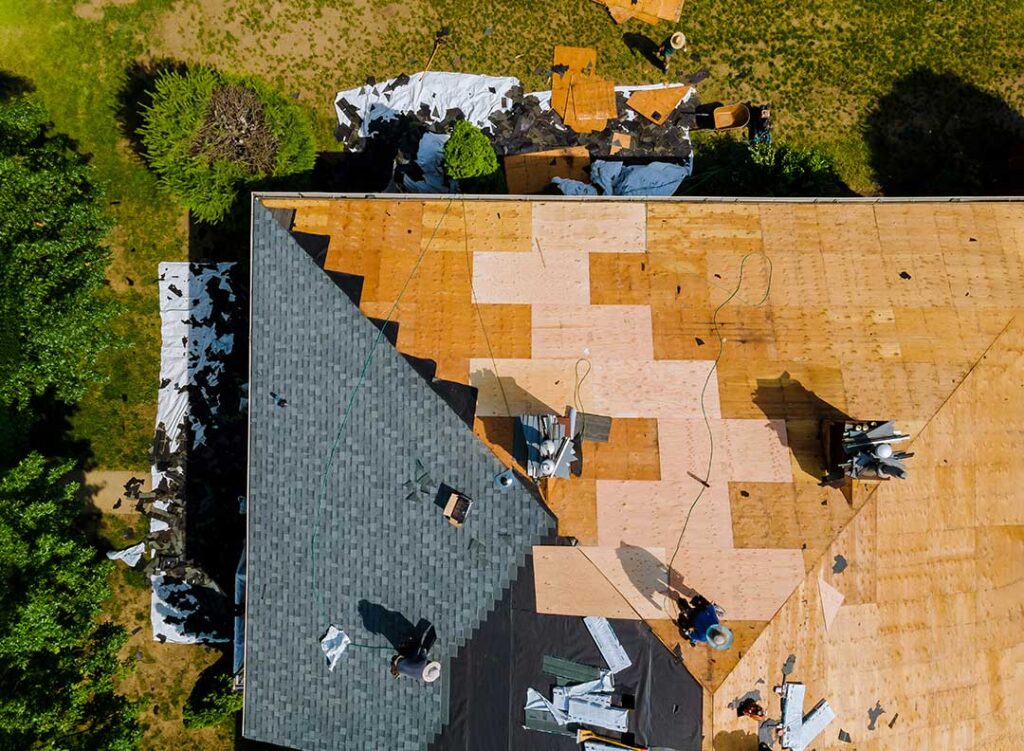
Roof decking, also called roof sheathing, is the structural layer beneath the shingles or other roof covering. It is commonly made from plywood, oriented strand board, or boards in older homes. The decking attaches to the roof framing and provides the base for underlayment and shingles.
In Ithaca, NY, roof decking is exposed to conditions that can reveal weaknesses over time: repeated snow loading, rain, ice formation, freeze-thaw cycles, and summer humidity. Problems are not always visible from the ground, but several warning signs can help residents recognize when the decking deserves closer attention.
What does damaged roof decking look like?
Damaged decking may appear swollen, stained, soft, sagging, or uneven. In many cases, the first evidence is found indoors or during roof work rather than from the yard.
Visible signs may include:
- A dip or wave in the roof surface
- Shingles that appear uneven or follow a noticeable depression
- Dark stains or water marks on attic-side wood
- Plywood edges that are swollen or separating
- Soft areas beneath insulation
- Nails that no longer hold securely
- Sections of wood that crumble, split, or feel spongy
A small discoloration does not automatically mean the entire roof deck needs replacement. It does mean moisture has reached an area that should be traced to its source.
Can a ceiling stain indicate a roof deck problem?
Yes. A ceiling stain can indicate that water has moved through the roof covering, underlayment, and decking before entering the attic or living space. The visible stain may not be directly below the leak because water can travel along rafters, trusses, insulation, or the top side of the ceiling.
Look for related clues in the attic, including:
- Damp or discolored wood
- Rusted nails or metal fasteners
- Wet insulation
- Mold-like surface growth
- Dripping or recently dried water
- Light visible through roof joints or openings
Roof leaks may appear only during wind-driven rain, heavy snow melt, or a shift between freezing and thawing temperatures. A ceiling that dries after a storm can still have an active underlying problem.
How can you recognize weak decking from the attic?
The attic is often the most useful place to observe the underside of roof decking. A flashlight can reveal darkened areas, water trails, delamination, or gaps between panels.
Do not walk on roof decking that appears damaged. A weakened panel may not support body weight, especially where insulation hides the framing. If attic access is safe, observe from the entry area and look for wood that is:
- Bowed between rafters
- Darker than surrounding material
- Flaking or delaminating
- Soft around roof penetrations
- Separated at panel joints
- Heavily marked near valleys, chimneys, skylights, or plumbing vents
A roof deck can be structurally compromised even when the shingles look relatively new. The roof covering and the wood beneath it serve different functions, so the condition of one does not prove the condition of the other.
Do sagging shingles always mean the roof deck is failing?
No. Shingle curling, blistering, poor installation, and uneven underlayment can create an irregular appearance without major decking damage. However, sagging or dipping across a broad section of the roof can indicate weakened sheathing or framing.
A localized depression near a roof edge may be related to water entering behind flashing. A dip in a valley may point to long-term moisture exposure. A broad sag may involve the framing system or excessive loading rather than the decking alone.
Snow can make existing weaknesses more noticeable. Ithaca receives substantial seasonal snowfall, and snow that melts, refreezes, and melts again can add moisture and weight to a roof assembly. A roof that suddenly looks different after a winter storm should be treated cautiously.
What causes roof decking to deteriorate?
The most common cause is prolonged moisture exposure. Water may enter through damaged shingles, failed flashing, poorly sealed penetrations, ice-related backup, or deteriorated roof edges.
Other causes include:
- Condensation from inadequate attic ventilation
- Repeated wetting and drying
- Long-term exposure around valleys and eaves
- Improperly installed roofing materials
- Old boards weakened by age or insect activity
- Excessive foot traffic during maintenance
- Structural movement or overloaded areas
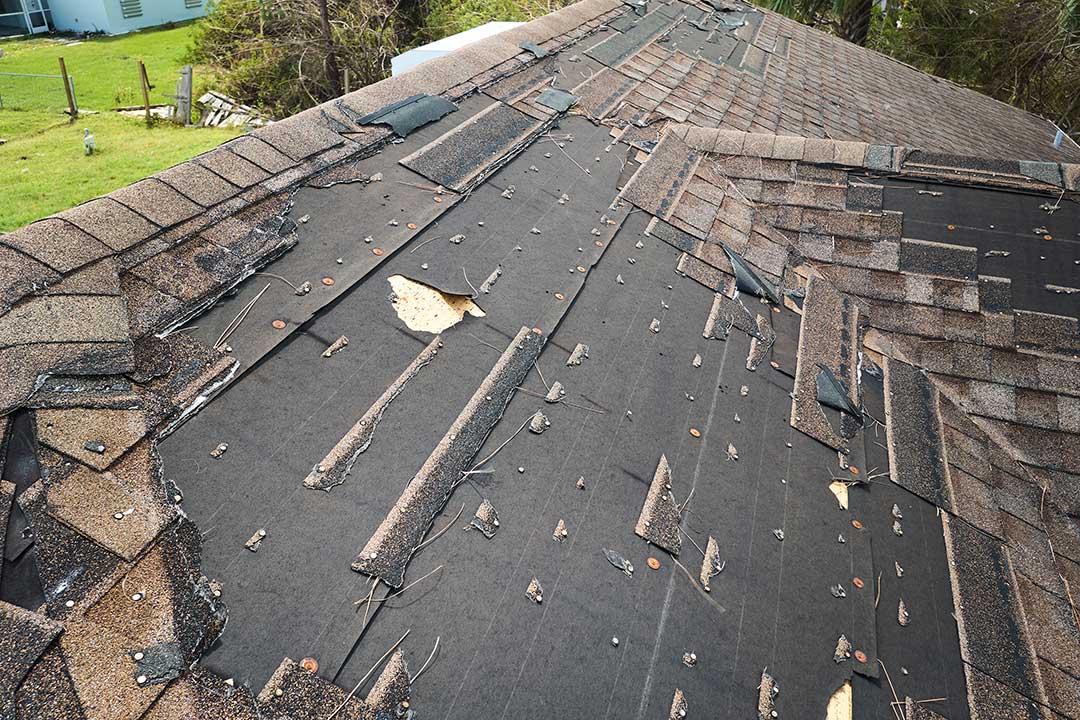
Condensation deserves special attention during cold weather. Warm, moist indoor air can enter an attic and collect on cold roof surfaces. Over time, this may cause staining, mold growth, nail corrosion, and gradual deterioration even without a dramatic roof leak.
Is mold in the attic proof that the decking must be replaced?
No. Surface mold or mildew may be associated with high humidity, condensation, or a past leak. The wood may remain structurally sound after the moisture source is corrected.
Replacement becomes more likely when the decking is soft, delaminated, deeply rotted, or unable to hold fasteners. The appearance of mold alone cannot determine whether a panel is safe. Disturbing moldy insulation or wood can also release particles, so avoid scraping or cutting affected material casually.
The underlying moisture source must be addressed. Replacing wood without correcting ventilation, flashing, or roof leakage can allow the problem to return.
What signs may appear during a roof replacement?
Roof decking problems are often discovered after shingles and underlayment are removed. Warning signs include panels that break apart during removal, roofing nails that have little holding power, dark rotten areas, and sections too soft to support new fasteners.
A limited number of damaged areas may be repaired individually. More extensive deterioration may require replacing larger sections so the new roof covering has a stable, properly fastened base.
New York’s residential code provisions generally do not treat water-soaked or deteriorated existing sheathing as an adequate base for additional roofing. That means covering damaged decking with another layer of roofing material may not be an acceptable long-term solution when the underlying wood is no longer sound.
When is a roof decking problem urgent?
Prompt attention is warranted when the roof is visibly sagging, water is entering the home, the attic deck feels soft, or a ceiling is bulging. Keep people away from areas below active leaks and avoid standing beneath a visibly distorted section of ceiling.
More urgent conditions include:
- A large or rapidly growing ceiling stain
- Water near electrical fixtures
- A section of roof that has collapsed or is visibly bowing
- Loose decking exposed by wind damage
- Heavy snow remaining over a visibly weakened area
- Repeated leaks in the same location
Do not climb onto a wet, icy, snow-covered, or visibly damaged roof. Roof surfaces can become unstable, and hidden decking failure increases the risk of falling through.
How can homeowners monitor roof decking between inspections?
Keep a record of ceiling stains, attic moisture, unusual odors, and changes in the roofline. After major rain or snow events, check accessible attic areas without stepping on questionable decking. Inspect insulation for dampness and watch for recurring water marks.
Keep gutters and roof drainage paths clear where safely possible, but do not assume clean gutters will prevent every decking problem. Ice formation, flashing failures, roof penetrations, and attic condensation can all contribute to deterioration.
The key distinction is between a roof covering problem and a structural base problem. Shingles can sometimes be repaired while the decking remains sound. Once the wood beneath them becomes wet, soft, swollen, or unable to hold fasteners, the roof assembly needs a more careful evaluation.
