
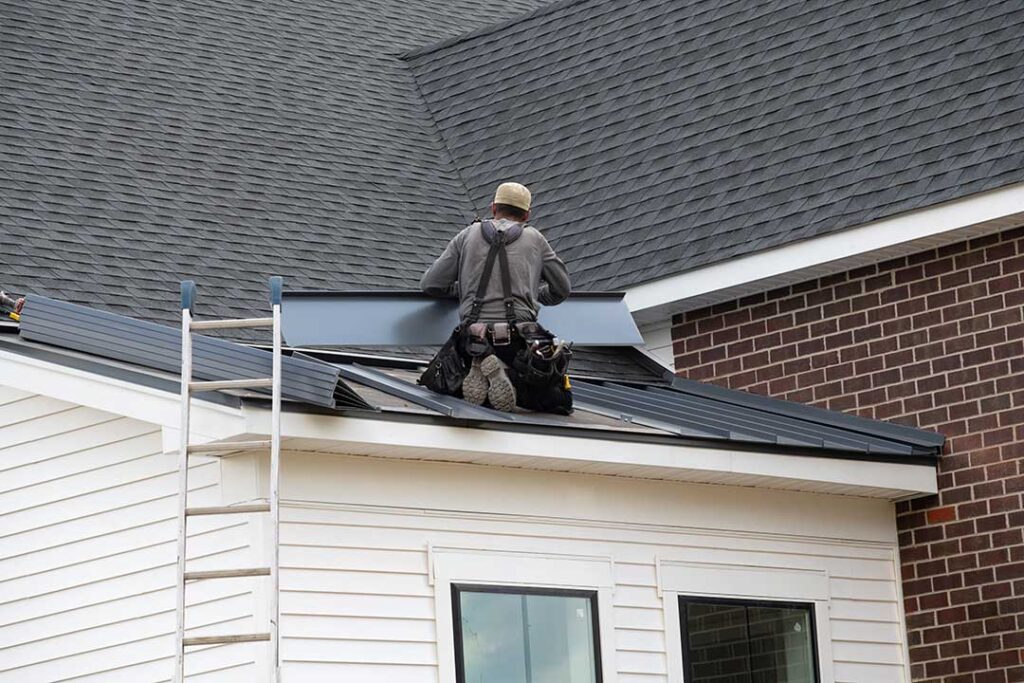
Replacing a roof creates more than a new weather barrier. It also produces shingles, underlayment, flashing, nails, wood scraps, and sometimes damaged insulation or decking. In Ithaca, NY, these materials should not be placed in household recycling bins. They need to be separated, assessed for hazards, and taken to a facility that accepts construction and demolition debris.
Can asphalt shingles be recycled?
Yes. Clean, uncontaminated asphalt shingles may be accepted by registered construction and demolition debris facilities for processing and recycling. Recovered shingles can be ground into material used in asphalt paving and other infrastructure applications.
Acceptance is not automatic. Facilities may limit the types of roofing waste they receive, and some accept shingles only when they are kept separate from general debris. Before hauling a load, confirm:
- Whether asphalt shingles are accepted
- Whether roofing felt or underlayment may be included
- Whether nails and small metal pieces are allowed
- Whether the facility accepts homeowner-generated material
- Whether there are load-size, packaging, or fee requirements
Roofing shingles should not go into curbside recycling carts. They are too heavy, bulky, and contaminated with roofing compounds for ordinary residential recycling systems.
Which roofing materials may be recyclable?
The easiest materials to recover are those that can be separated and identified before disposal.
Asphalt shingles and roofing paper: These may be accepted at a construction and demolition debris recovery facility if they are uncontaminated and do not contain friable asbestos.
Metal flashing, gutters, and fasteners: Aluminum, copper, and steel may have recycling value when separated from shingles, wood, plastic, and roofing cement. Remove as much attached material as practical, but do not risk injury trying to clean heavily bonded pieces.
Clean wood: Unpainted and untreated wood from roof framing or packaging may be accepted separately at facilities that handle clean wood waste. Painted, stained, pressure-treated, glued, or composite wood is generally handled differently.
Slate, clay, and concrete tiles: Reuse is often preferable to recycling if the pieces are intact. Broken material may be accepted as masonry or construction debris, but the receiving facility should be asked first.
Unused roofing materials: Extra shingles, unopened rolls, metal trim, and intact tiles may be suitable for repair work or reuse. Keep them dry and protected from snow, rain, and ground contact while determining whether they can be used elsewhere.
What roofing waste should not be recycled with ordinary debris?
Some materials require special handling because they may contain hazardous substances or create safety problems.
Potentially hazardous or restricted materials include:
- Suspected asbestos-containing shingles, felt, insulation, or roof coatings
- Roofing cement, tar, solvents, and liquid sealants
- Lead-coated flashing or painted components
- Moldy or water-damaged insulation
- Electrical equipment associated with roof-mounted systems
- Mixed household garbage hidden inside roofing debris
- Soil, vegetation, and food waste mixed into the load
Do not break, cut, sand, grind, or sweep suspected asbestos-containing material. Older roofing products can be difficult to identify by appearance alone. If asbestos is possible, keep the material isolated and obtain guidance before removal or transport. Friable asbestos waste is not handled through ordinary construction debris recycling.
How should old shingles be prepared for recycling?
Preparation affects both safety and whether a facility will accept the load. Keep roofing materials as clean and separated as possible.
A practical sorting system includes separate piles for:
1. Asphalt shingles and roofing felt
2. Metal flashing, gutters, and nails
3. Clean wood
4. Roofing tiles or slate
5. Plastic, cardboard, and general trash
6. Materials requiring special or hazardous-waste handling
Remove obvious branches, insulation, household trash, and large pieces of wood from the shingle pile. Small amounts of nails may remain attached because they are common in tear-off shingles, but loose metal should be separated when practical.
Use sturdy containers or a covered trailer. Do not overfill bags or boxes, and avoid transporting loose shingles in an uncovered vehicle. Wind can spread lightweight underlayment and debris along roads, while wet materials become substantially heavier.
Roofing debris can contain sharp edges and protruding nails. Wear thick gloves, sturdy footwear, eye protection, and long sleeves during sorting. Children and pets should be kept away from the work area.
Can old roofing materials be reused instead?
Sometimes. Reuse works best for materials that are clean, intact, and still have a predictable service life.
Usable possibilities may include:
- Matching shingles saved for future repairs
- Intact slate or clay tiles
- Unbent metal flashing
- Clean wood blocking and lumber
- Unopened roofing products stored in dry conditions
Damaged shingles are usually poor candidates for small household projects because they can be brittle, difficult to handle, and prone to shedding granules. They should not be used as makeshift walkways, garden edging, or ground cover where fragments could enter soil or stormwater.
Reuse also requires care with older materials. A product that appears intact may still contain aging asphalt, lead-based coatings, or other substances that make it unsuitable for casual use.
How do seasonal conditions affect roofing waste in Ithaca?
The local climate makes storage and transport more complicated during much of the year. Snow, spring rain, freeze-thaw cycles, and summer humidity can add water weight to debris and make surfaces slippery.
For short-term storage:
- Keep materials on a tarp or pallet rather than directly on soil.
- Cover the load while allowing moisture to escape where appropriate.
- Anchor tarps so wind cannot carry debris away.
- Avoid storing roofing waste against a foundation, fence, or drainage path.
- Keep nails and sharp scraps away from driveways and walkways.
- Do not allow debris to block storm drains or culverts.
Wet shingles may stick together and become difficult to load. Frozen debris can also break unexpectedly, so sorting is safer during stable daylight conditions with dry footing.
What should a homeowner do before hauling the material?
Call the receiving facility before loading the vehicle. Recycling and disposal rules can differ based on material type, contamination, quantity, and whether the load comes from a household or a contractor.
Have the following information ready:
- The approximate number of bundles or weight of material
- The type of roofing being removed
- Whether the shingles are mixed with wood or trash
- Whether any coatings, insulation, or suspected asbestos are present
- The type of vehicle being used
Ask whether the facility requires source-separated loads, specific containers, a tarp, identification, or payment by weight. Keep any accepted materials together and do not add unapproved items after arriving.
For unusual waste questions, a local recycling coordinator or the New York State Department of Environmental Conservation can help identify the proper waste category and handling requirements. Rules can change, and a facility’s current acceptance policy is more reliable than assuming that all construction debris is treated the same way.
The most responsible approach is simple: separate reusable materials first, keep recyclable roofing waste clean, isolate anything potentially hazardous, and verify acceptance before transport.
