
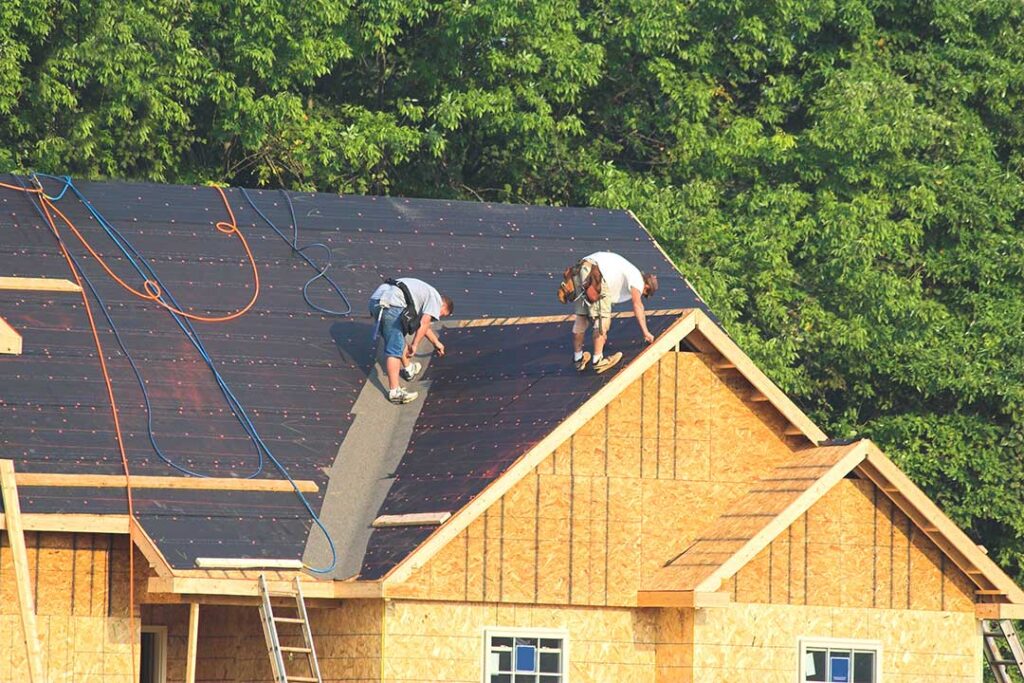
Roof problems do not always wait for convenient conditions. During COVID-19, severe storms, supply disruptions, power outages, or other emergencies, residents of Ithaca, NY may need to decide whether a repair can wait, what can be handled safely, and how to limit unnecessary exposure while protecting the home.
The right response depends on the type of damage, the weather forecast, the condition of the building, and the health needs of the people involved.
How can a homeowner tell whether a roof repair is urgent?
A repair is urgent when delaying it could lead to structural damage, unsafe living conditions, or a rapid increase in the cost or difficulty of the work. Active water entry is usually more serious than an isolated cosmetic defect.
Warning signs include:
- Water dripping through a ceiling or running down a wall
- A ceiling that is sagging, bubbling, or visibly stained after new moisture
- Missing or badly displaced shingles after high winds
- A large section of exposed roof underlayment
- A fallen branch or other object that has struck the roof
- Damage near electrical wiring, light fixtures, or heating equipment
- Water collecting in an attic or around insulation
- Strong drafts, daylight, or snow entering through the roof surface
In a home with active leaking, place containers under drips and move furniture or electronics away from the affected area. Avoid standing beneath a sagging ceiling. If water is near electrical equipment, keep clear of the area and shut off power only if it can be done safely.
A small, stable issue may be documented and monitored temporarily. Examples include a few aging shingles with no evidence of leakage, minor granule loss, or a small area of surface wear that is not worsening.
What temporary steps can reduce damage?
Temporary measures are intended to control water until a permanent repair is possible. They are not a substitute for correcting the underlying problem.
If conditions are safe from the ground, take photographs of the damaged area and the interior signs of leakage. Images can help explain the situation without requiring repeated in-person visits.
A tarp may reduce additional water entry after storm damage, but roof access is hazardous during rain, snow, ice, high winds, or freezing temperatures. In the Finger Lakes region, roofs can remain slippery even after precipitation has stopped. A tarp should not be installed by someone who lacks safe access equipment or experience working at height.
Do not use household tape, roofing cement spread over a wide area, or improvised materials as a long-term fix. These measures can trap moisture, obscure the damage, or make later repairs more difficult. Do not cut into a wet or sagging ceiling unless necessary to prevent immediate collapse and only if the area is free from electrical hazards.
Can roof repairs be performed safely during COVID-19?
Yes, many exterior roof repairs can be organized with limited close contact. The main exposure concerns usually involve conversations indoors, shared documents, crowded work areas, and poor ventilation rather than the roof surface itself.
A lower-contact repair process may include:
- Discussing the problem by phone or video before anyone arrives
- Sending photographs and measurements electronically when practical
- Keeping occupants inside while exterior work is underway
- Using outdoor conversations or well-ventilated spaces when an in-person discussion is necessary
- Maintaining physical distance around doors, ladders, vehicles, and staging areas
- Avoiding shared pens, tools, beverages, and personal items
- Wearing masks indoors when requested or when illness risk is elevated
- Cleaning frequently touched surfaces after visitors leave
People with respiratory symptoms should postpone non-urgent indoor interactions when possible. If a leak is threatening the home, explain the health concern before anyone enters and limit the visit to the smallest area and shortest practical time.
A repair does not automatically require interior access. If attic inspection or ceiling work is necessary, residents can often remain in another part of the home while doors and windows are used to improve ventilation, weather permitting.
What if the roofing crew or homeowner is sick?
Non-urgent work should generally be postponed when someone involved has symptoms of a contagious illness, has recently tested positive, or has been instructed to isolate. The same applies when a household member is medically vulnerable and the work can safely wait.
Emergency conditions require more careful planning rather than casual cancellation. A temporary exterior measure may be enough to stop water entry until the illness risk has passed. If entry into the home cannot be avoided, limit the number of people present, identify the exact work area in advance, and keep other occupants away from it.
Clear communication matters. A homeowner should disclose relevant access restrictions, pets, mobility concerns, and health precautions before an arrival. Workers should also communicate if illness, exposure, or supply problems affect the planned work.
How should repairs be handled during a broader emergency?
During a major storm, power outage, public health emergency, or transportation disruption, roof repairs may take longer because roads, materials, fuel, equipment, and labor are limited. Prioritizing the building envelope helps prevent a manageable defect from becoming interior damage.
Start by documenting:
- The date and apparent cause of the damage
- Areas where water entered
- Interior staining, damp insulation, or damaged finishes
- Missing or displaced roofing materials
- Temporary measures already attempted
- Weather conditions at the time the problem occurred
Keep receipts for emergency materials and protect photographs with a backup. Insurance policies differ, but timely documentation is often useful when a claim is being considered. A homeowner should review the policy’s requirements for reporting damage, preventing further loss, and preserving damaged materials.
Do not remove storm debris from a roof if it is unsafe to reach. Branches can conceal broken decking, damaged rafters, electrical hazards, or unstable roofing materials.
How do Ithaca’s seasonal conditions affect timing?
Cold temperatures, freeze-thaw cycles, lake-effect moisture, heavy rain, and snow can all complicate roof work in the area. Water may enter through a small opening, freeze overnight, and expand the damage. Ice and snow can also hide missing shingles or damaged flashing.
After a winter storm, an attic inspection can reveal problems that are not visible from the yard. Look for damp insulation, darkened wood, frost accumulation, mold-like spotting, or daylight through the roof assembly. Frost in an attic can also result from indoor air leakage and inadequate ventilation, so its presence does not always prove that the roof covering is failing.
Spring rain may expose damage that developed during winter. Summer heat can make attic spaces unsafe and can soften some roofing materials. Fall repairs may be affected by shorter daylight and rapidly changing weather. Timing should account for both the urgency of the leak and the conditions needed to complete the work safely.
Which repairs should not be attempted as a do-it-yourself project?
Roof work should not be attempted during active storms, icy conditions, high winds, or when the roof structure may be unstable. Electrical hazards, steep slopes, fragile materials, and concealed structural damage create risks that are difficult to judge from the ground.
Professional help is warranted when there is active structural damage, a major leak, a fallen tree, fire damage, exposed electrical equipment, extensive mold growth, or any condition requiring roof access that cannot be performed safely. During a crisis, minimizing close contact is useful, but it should not mean accepting a dangerous repair or allowing water to damage the building further.
The safest approach is to separate urgent protection from permanent restoration: stop additional water entry if possible, keep people away from hazardous areas, document the condition, communicate health and access concerns clearly, and complete the lasting repair when conditions allow.
