
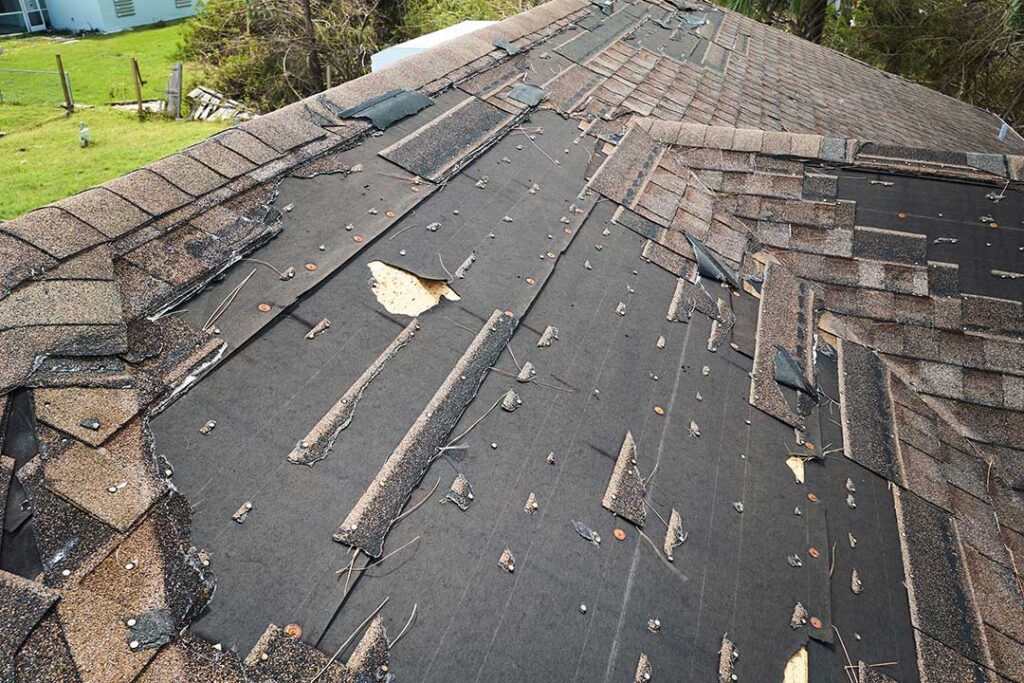
What is roof flashing?
Roof flashing is thin, water-resistant material installed where a roof meets another surface or where water could enter through a joint. Its job is to direct rain and melting snow away from vulnerable openings and into the roof drainage system.
Flashing is commonly made from aluminum, galvanized steel, copper, or other corrosion-resistant materials. It may be visible along a roof edge, tucked beneath shingles, or hidden around a chimney, wall, skylight, or vent.
A roof is not a single uninterrupted surface. It includes many changes in direction and openings, such as:
- Chimneys and masonry walls
- Plumbing vent pipes
- Skylights
- Roof-to-wall intersections
- Valleys where two roof slopes meet
- Dormers and roof projections
- Eaves, rakes, and roof edges
- Areas around decks, additions, and porches
Each transition creates a potential path for water. Flashing helps seal and guide water through these complicated areas.
Why does roof flashing matter?
Roof flashing matters because shingles alone cannot reliably protect every roof joint. Shingles shed water across broad roof surfaces, but they are not designed to seal vertical walls, corners, penetrations, or changes in slope.
Properly installed flashing helps prevent water from getting behind roofing materials and into the roof deck, wall framing, insulation, and interior finishes. It also reduces the chance of hidden moisture damage that may not become visible until stains, peeling paint, soft wood, or mold-like odors appear indoors.
In Ithaca, NY, flashing is especially relevant because roofs must handle rain, freeze-thaw cycles, ice, wind-driven precipitation, and periods of heavy snow. Water that enters a small gap can freeze and expand, gradually widening the opening. Repeated thawing and refreezing can place stress on joints that appear sound during warmer weather.
Where is flashing installed on a roof?
Different roof locations require different flashing designs. The material and installation method should match the way water moves across that area.
Step flashing at roof-to-wall connections
Step flashing consists of small pieces of metal installed in a stepped pattern where a roof slope meets a vertical wall. Each piece overlaps the next, allowing water to move downward without entering the wall joint.
This type of flashing is often found beside dormers, side walls, and roof sections connected to an addition. It is typically installed with the roofing material and may be partly hidden beneath siding or other wall coverings.
Chimney flashing
Chimneys usually require several flashing components. Base flashing sits where the chimney meets the roof, while counterflashing is built into or attached to the chimney masonry and overlaps the base flashing.
A chimney may also need specialized flashing at its upper, lower, and side sections because water moves differently around each part. Mortar joints can deteriorate over time, so flashing and masonry should be considered together when investigating a leak.
Valley flashing
A roof valley channels water from two slopes into a lower drainage path. Some valleys use exposed metal, while others use concealed water-shedding layers beneath the shingles.
Valleys receive concentrated water flow and can collect leaves, twigs, and ice. Damaged shingles, exposed fasteners, or improperly layered materials in this area can lead to leaks even when the rest of the roof appears to be in good condition.
Vent, pipe, and skylight flashing
Plumbing vents and other roof penetrations use flashing collars or boots that fit around the opening. Skylights have their own flashing systems designed to direct water around the frame.
The flexible rubber portions around vent pipes can become brittle with age. A cracked or distorted boot may allow water to reach the roof deck. Skylight leaks may originate from the flashing, the surrounding roofing, or the skylight frame itself, so the visible drip point does not always identify the source.
What are signs of damaged or failing flashing?
Flashing problems can produce obvious signs, but some failures remain hidden for a long time. Possible warning signs include:
- Water stains on ceilings or upper walls
- Damp or discolored areas near chimneys, skylights, or exterior walls
- Peeling paint or bubbling finish materials
- Soft wood around roof edges or wall intersections
- Rust, corrosion, bent metal, or separated seams
- Cracked sealant around flashing
- Missing or lifted shingles near roof penetrations
- Loose masonry flashing or gaps at chimney joints
- Drips or dampness in an attic after rain or snowmelt
- Musty smells without another clear source
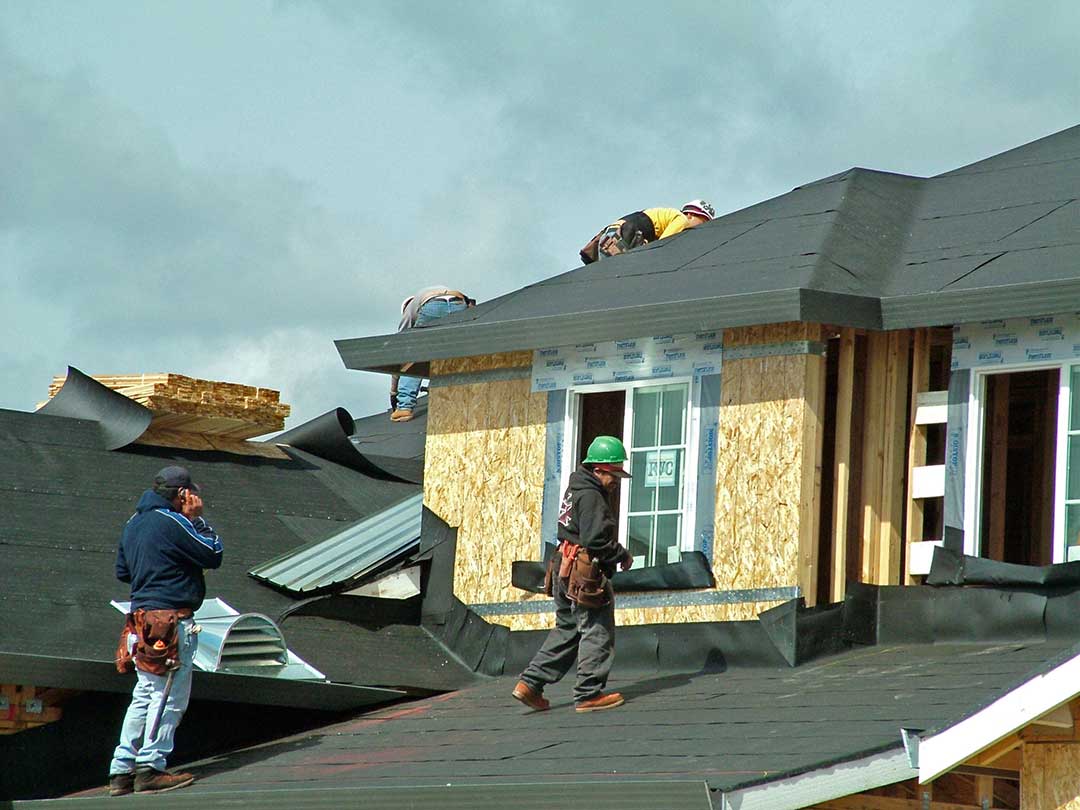
A leak may appear several feet away from the actual problem. Water can travel along roof decking, rafters, insulation, or wall cavities before becoming visible indoors. For that reason, an interior stain should not automatically be attributed to the roof area directly above it.
Does caulk fix a flashing problem?
Caulk can help seal a small, properly prepared joint, but it is not a substitute for correctly designed flashing. Sealants age, shrink, crack, and lose adhesion as temperatures change.
Applying new caulk over old, loose, wet, or dirty material may hide a problem temporarily without stopping water movement. A durable repair usually depends on correcting the way water is directed, replacing damaged metal or membrane, and restoring the surrounding roofing layers.
Sealant can be useful as one part of a flashing system, particularly around carefully prepared joints. It should not be treated as the primary defense where overlapping metal or membrane flashing is required.
How do snow and ice affect flashing?
Snow and ice can expose weaknesses in flashing, especially around roof edges, valleys, chimneys, and roof-to-wall intersections. Ice can hold water against roofing materials instead of allowing it to drain normally. Freeze-thaw movement can also loosen fasteners, open seams, and damage brittle sealants.
Heavy snow should not be assumed to have caused every leak. A leak during snowmelt may reveal an older flashing defect that had not previously allowed enough water inside to become noticeable.
Roof edges and areas near heated walls can experience uneven melting. Warm sections may shed water while colder sections retain ice, creating changing moisture conditions around flashing. Attic insulation and ventilation also affect how snow melts, although these systems do not replace properly installed flashing.
Can homeowners inspect roof flashing safely?
A ground-level inspection can identify some obvious concerns, such as missing metal, visible rust, lifted shingles, or gaps around a chimney. Binoculars can help provide a closer view without requiring roof access.
Walking on a roof is hazardous, particularly when shingles are wet, icy, steep, or covered with moss. Ladders also create fall risks around uneven ground, snow, and overhead obstructions. Roof access may be especially unsafe after storms or during freeze-thaw conditions.
Indoor and attic observations can be useful. Look for damp insulation, darkened wood, water trails, and staining after precipitation. These observations can help establish when a leak occurs, but they may not reveal the exact entry point.
When does flashing need repair or replacement?
Flashing may need attention when it is corroded, split, displaced, improperly overlapped, or no longer integrated with the surrounding roofing materials. Replacement may be more appropriate than patching when the metal is badly deteriorated or when previous repairs have created several layers of sealant and incompatible materials.
A flashing repair should account for the entire water-shedding system. Removing or replacing only the visibly damaged section may fail if adjacent shingles, underlayment, siding, chimney mortar, or roof decking are also compromised.
For homes with recurring leaks, unexplained interior moisture, or damage near a chimney or roof edge, an inspection by a qualified roofing professional is justified because the work may involve steep surfaces, hidden structural damage, or building-safety concerns. Prompt attention is particularly sensible before winter weather, when access becomes more difficult and small openings may worsen through repeated freezing and thawing.
The main idea to remember
Flashing is a protective part of the roof system, not merely a strip of metal added for appearance. It manages water at the places where roofs, walls, chimneys, vents, and other structures meet. Good flashing is layered with the surrounding materials, allows water to drain outward, and remains protected from unnecessary exposure.
A roof can have sound shingles and still leak if its flashing is damaged or incorrectly installed. Understanding where flashing is located and what it does makes it easier to recognize early warning signs and to evaluate roof maintenance realistically.
