
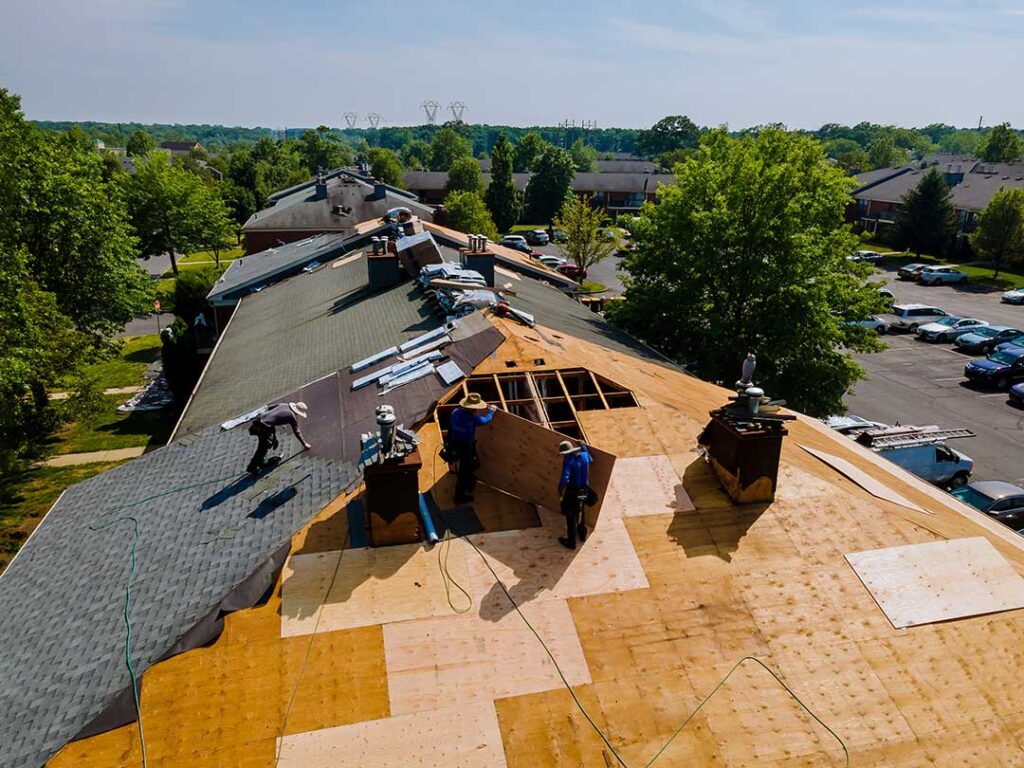
Roofing rules are not merely administrative requirements. They help ensure that a roof can support snow, resist wind, manage water, protect the building envelope, and remain safe for the people inside. In Ithaca, NY, roof work may be regulated by New York State construction codes as well as local permitting, zoning, historic-preservation, energy, and floodplain requirements.
Understanding these rules before work begins can prevent avoidable delays, unsafe alterations, and problems when a home is sold or inspected later.
What building codes control on a roof?
Building codes set minimum standards for how roofing systems are designed, installed, repaired, and altered. They may address:
- Structural framing and the roof’s ability to carry loads
- Snow and wind resistance
- Roof coverings, underlayment, flashing, and drainage
- Attic ventilation and insulation
- Skylights, roof openings, chimneys, and mechanical equipment
- Fire safety and material performance
- Energy efficiency and moisture control
- Safe access and construction practices
A roof is not just the visible shingles or metal covering. It is a system that includes decking, rafters or trusses, insulation, ventilation, flashing, drainage, and connections to walls and other building components. Changing one part can affect the performance of the rest.
Is a permit required for roofing work in Ithaca?
In many cases, yes. The City of Ithaca identifies roofing among the types of work that require a building permit because the work must comply with New York State’s Uniform Code and Energy Code.
A permit may be required for a full roof replacement, structural repair, changes to roof geometry, new skylights, alterations involving roof-mounted equipment, or work that affects insulation and ventilation. A simple repair may be treated differently from a broader alteration, but the distinction should not be assumed based only on the size of the job.
Permit requirements can also depend on the property’s location and status. Additional review may apply if the building is:
- In a designated historic district
- A locally designated landmark
- Within a regulated floodplain
- Subject to zoning restrictions
- Part of a larger alteration or addition
The applicable authority is determined by the property’s jurisdiction and the scope of work. Roofing work should not begin until the required permit has been issued.
Why do snow loads matter in Ithaca?
Snow load rules are one of the clearest examples of why local code requirements matter. Roofs in this region must be designed for winter conditions, including accumulated snow, uneven snow distribution, and drifting caused by nearby roof sections or taller structures.
The amount of snow a roof must be able to support is not determined simply by looking at a weather forecast. Building codes use design values, roof shape, slope, exposure, building height, and other factors. A roof with valleys, dormers, lower sections, or attached additions may collect snow differently from a simple gable roof.
Snow can also become a concern when a roof is altered. For example, changing the slope, adding an upper roof section, installing insulation, or creating a new obstruction can affect where snow accumulates. A well-insulated roof may also change how snow melts and refreezes compared with an older, less insulated assembly.
New York’s current code provisions also address situations where roofing alterations increase structural loads. If new materials are substantially heavier or the work changes snow accumulation, structural elements may need to be evaluated or reinforced.
Does replacing shingles change the structure?
Sometimes it does, even if the roof shape remains the same.
Replacing one layer of asphalt shingles with a similar-weight covering may have little effect on the roof framing. Adding another layer, switching to heavier materials, installing solar equipment, or replacing sections of damaged decking can increase the load carried by rafters, trusses, walls, and foundations.
The age of the building matters as well. Older homes may have framing that was built under earlier code requirements, may contain undersized or altered structural members, or may have experienced long-term moisture damage. A roof replacement can reveal problems that were hidden beneath the existing covering.
Code review does not automatically mean that every older roof must be rebuilt to current standards. It does mean that alterations should not create an unsafe condition or add loads that the existing structure cannot support.
How do energy codes affect roofing?
Roof work can affect energy performance even when the visible work appears limited to exterior materials. New York’s Energy Code includes requirements related to insulation, air sealing, moisture control, and the continuity of the building envelope.
If roofing work exposes attic areas or changes the roof assembly, the project may involve:
- Improving insulation levels
- Correcting air leakage between the living space and attic
- Maintaining required ventilation pathways
- Preventing condensation beneath the roof deck
- Sealing penetrations around vents, chimneys, and equipment
- Coordinating insulation with eaves and roof edges

Poorly coordinated insulation and ventilation can contribute to frost accumulation, damp roof sheathing, peeling interior finishes, and premature deterioration. The code’s energy provisions are therefore connected to durability, not just utility costs.
Are older homes and historic properties treated differently?
Historic status can add requirements beyond ordinary roofing rules. Exterior work on a designated landmark or a building within a historic district may require review of visible materials, roof shape, dormers, trim, slate or metal details, and other features that contribute to the property’s character.
This does not necessarily prohibit modern repairs or energy improvements. It may mean that the proposed work must preserve important exterior features or receive approval before construction begins.
Owners of older homes should also be cautious about assuming that existing conditions are automatically acceptable simply because they have been present for many years. Existing construction may be allowed to remain in some circumstances, while new work must meet current requirements.
What should a homeowner verify before roof work begins?
Before signing a work agreement or allowing materials to be removed, confirm the basic regulatory questions:
- Is a building permit required for the proposed scope?
- Which jurisdiction handles the property?
- Does the property have historic or landmark status?
- Is the building in a floodplain or another regulated area?
- Will the work change roof slope, drainage, insulation, or snow accumulation?
- Are new materials heavier than the existing roof covering?
- Will skylights, vents, chimneys, solar equipment, or other penetrations be added?
- What inspections are required during or after the work?
- Will the permit record be closed when the project is complete?
It is also useful to keep copies of the permit, approved plans, inspection records, material information, and photographs of concealed conditions. These records can clarify what was done if a future owner, insurer, lender, or inspector has questions.
What happens if roofing work does not follow code?
Unpermitted or noncompliant work can create practical problems beyond a possible enforcement action. The property owner may be required to expose completed work, correct deficiencies, obtain approvals after the fact, or pay additional fees.
Problems may also arise during a sale, insurance review, refinancing, or later renovation. More seriously, code violations can leave a roof unable to handle snow, wind, water, or fire exposure as intended.
Building codes are minimum safety standards, not guarantees that a roof will never leak or require maintenance. They provide a baseline for sound construction and help account for local conditions that generic roofing advice may overlook.
For residents, the central question is simple: not only whether the roof looks finished, but whether the work was planned, permitted, and installed in a way that fits the building, the property, and the conditions found throughout Ithaca.
