
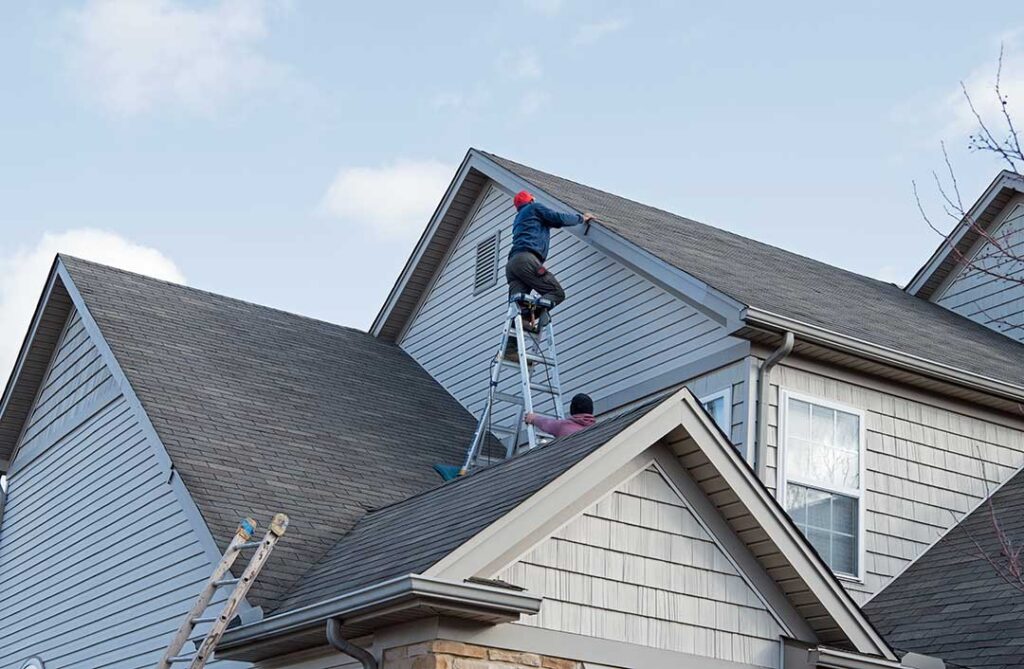
Before leaving home for a trip, homeowners often check doors, windows, plumbing, and appliances. The roof deserves the same attention. A small leak, clogged gutter, loose flashing, or blocked attic vent can become much more serious while a house is unattended.
For households in Ithaca, seasonal weather makes pre-vacation roof checks especially useful. Heavy rain, wind, wet snow, freezing temperatures, and rapid changes between thawing and refreezing can all expose weak areas.
What should be checked before leaving?
Before a vacation, look for visible signs of water entry, roof damage, drainage problems, and loose exterior materials. The goal is not to perform a full roof inspection but to identify conditions that should not be left unattended.
From the ground, check for:
- Missing, lifted, cracked, or visibly damaged shingles
- Dark stains or sagging areas on the roof surface
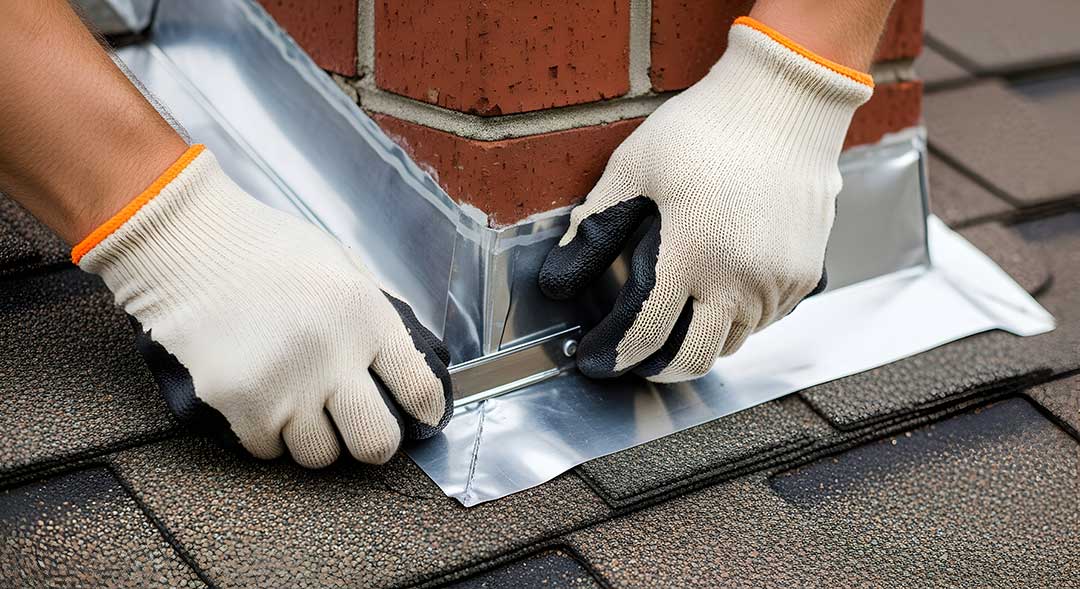
- Loose metal around chimneys, vents, skylights, or roof edges
- Gutters pulling away from the fascia
- Downspouts that are disconnected, crushed, or directing water toward the foundation
- Tree limbs resting on or hanging directly over the roof
- Granules collecting heavily below downspouts or at the base of the building
A pair of binoculars can help with a ground-level review. Walking on a roof before a trip is generally unnecessary and can create a fall risk, particularly when the surface is wet, mossy, icy, or steep.
Should gutters and downspouts be cleaned before vacation?
Yes, especially before a forecast that includes heavy rain or falling leaves. Clogged gutters can force water behind the fascia, overflow near doors and windows, or release concentrated runoff beside the foundation.
Clear leaves, twigs, and compacted debris from the accessible portions of the gutter system. Confirm that downspouts carry water several feet away from the foundation when possible. Extensions should be secure and positioned so water does not flow toward basement walls, walkways, or neighboring structures.
In wooded areas and older neighborhoods, leaves may collect quickly during autumn. A gutter that appears clear at departure can become blocked after the first windy storm, so a trusted person checking the property may need to look again during a longer absence.
How can a homeowner check for roof leaks indoors?
The attic and upper ceilings can reveal problems that are not visible from the yard. Before leaving, inspect the underside of the roof from a safe location with a flashlight.
Look for:
- Damp insulation or darkened roof sheathing
- Water stains, peeling paint, or bubbling drywall
- Mold-like odors or unusually humid attic air
- Rust around fasteners, vents, or metal components
- Daylight showing through areas that should be sealed
- Frost buildup or dripping caused by poor attic ventilation
A ceiling stain does not always appear directly below the roof defect. Water can travel along rafters, insulation, or framing before entering the living space. If a stain is new, growing, soft, or actively wet, it should not be ignored until after the trip.
What should be done about snow and ice concerns?
In winter, the main risks are heavy snow accumulation, ice dams, and repeated freeze-thaw cycles. These conditions can place stress on roof edges and allow melting water to back up beneath shingles.
Before leaving during a snowy period, make sure attic insulation and ventilation have not been visibly compromised. Warm air escaping into the attic can heat the underside of the roof, melt snow unevenly, and contribute to ice formation near the eaves.
Do not climb onto an icy roof or try to break apart ice with sharp tools. Falling ice, damaged shingles, and hidden electrical or structural hazards make this work unsafe. Snow removal is not automatically required after every storm, but unusual accumulation, visible roof deflection, or persistent ice buildup warrants prompt attention from someone qualified to evaluate the condition safely.
Should outdoor equipment be secured?
Anything attached to or near the roof can become a problem during wind. Before departure, secure or store ladders, patio furniture, umbrellas, decorations, tools, and loose branches. Check that satellite dishes, antennas, chimney caps, and other roof-mounted items appear stable.
Tree maintenance also matters. Branches that scrape against shingles can wear away protective surfaces, while dead limbs can fall during storms. Branches do not need to touch the roof to cause damage if they are positioned above a roof slope or gutter line.
Avoid pruning from a ladder near overhead utility lines. That work can create serious hazards even when the branch appears small.
Is it necessary to turn off the water before vacation?
Turning off the main water supply is not a roof measure, but it can limit damage if a roof leak reaches the attic or if plumbing fails while the home is empty. The decision depends on the house, heating system, fire-protection equipment, and household needs.
If the water is shut off, confirm that heating equipment, humidifiers, boilers, and other systems will operate correctly without the usual water supply. In cold weather, maintaining safe indoor temperatures is essential because frozen pipes can cause extensive damage even when the roof remains intact.
A simple leak-detection device or water alarm may provide an early warning if the property has internet or monitored systems. These devices do not replace physical checks, but they can identify unusual moisture or water flow while residents are away.
What should a house sitter inspect?
For trips longer than a few days, arrange for a trusted person to visit after major storms. The check should include both the roof exterior and interior areas where leaks commonly appear.
Ask the visitor to look for:
- New ceiling stains or dripping water
- Fallen branches or debris on the roof
- Gutter overflow or downspout displacement
- Wind-damaged shingles or flashing
- Ice buildup, unusual snow loads, or visible sagging
- Wet insulation, musty odors, or standing water in the attic
- Water alarms or other warning alerts
Photos taken from the ground can help document changes without requiring anyone to climb onto the roof. If there is active water entry, structural sagging, a fallen tree, or a damaged electrical component, the building should be treated as a safety concern rather than a routine maintenance issue.
How far in advance should the roof be checked?
A basic visual check can be done a few days before departure, with enough time to address obvious problems. A more detailed review is sensible several weeks before a long winter trip or an extended absence.
Do not assume a roof is ready simply because it did not leak during the last storm. Small defects may remain hidden until wind-driven rain, melting snow, or repeated freezing exposes them. Pay particular attention to roof transitions, valleys, chimneys, skylights, plumbing vents, and areas where different materials meet.
For residents of Ithaca, preparing the roof for vacation is mainly about controlling water, securing loose materials, maintaining safe drainage, and arranging a way to notice problems after severe weather. A few minutes of careful observation can reduce the chance that a minor roof issue becomes an emergency while the house is empty.
