
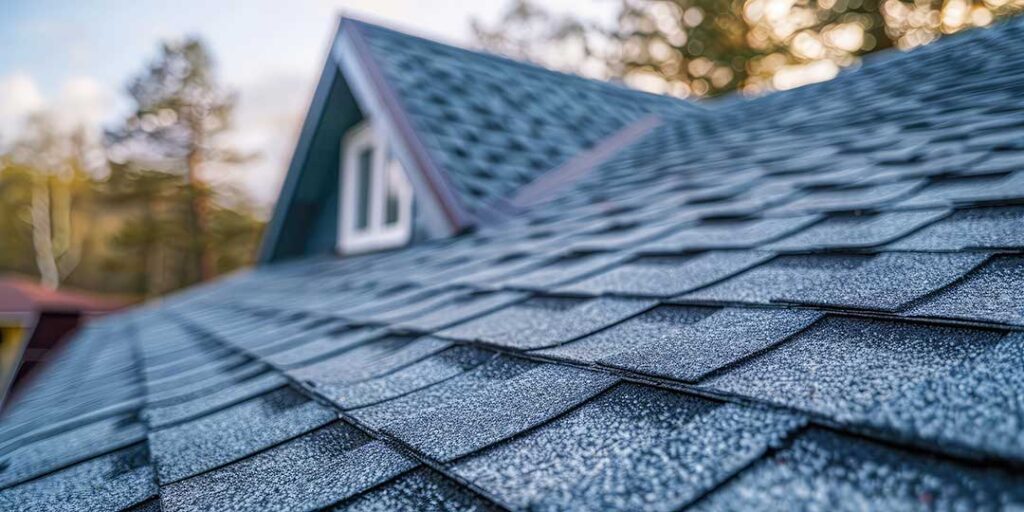
What should you do first after roof damage?
After a storm or other sudden event, protect people first, prevent additional damage if it can be done safely, and document the condition before cleaning up or making repairs. For residents of Ithaca, NY, that may mean dealing with wind, heavy rain, fallen branches, ice, snow, or repeated freeze-thaw conditions.
Do not climb onto a wet, icy, steep, or visibly unstable roof. Roof damage may be less visible from the ground than it is from inside the attic or upper floors. If water is entering the home, move furniture and belongings away from the affected area, place containers under active leaks, and use temporary measures only when they can be completed safely.
Take photographs and video as soon as conditions allow. Capture the damage before removing debris, drying materials, or covering openings.
What photographs are most useful for an insurance claim?
Useful documentation shows both the overall event and the specific damage. Begin with wide images that establish where the damage is located, then take closer images that show details.
Photograph or record:
- The entire roofline from several sides of the property
- Missing, lifted, cracked, curled, or displaced shingles
- Damaged flashing around chimneys, vents, skylights, and roof edges
- Gutters, downspouts, soffits, fascia, and exterior trim
- Fallen branches, tree limbs, or other objects that struck the roof
- Water stains, wet insulation, damaged ceilings, and damaged walls indoors
- Attic areas showing daylight, wet decking, mold-like growth, or water trails
- Damaged personal belongings, flooring, furniture, and stored items
- Debris on the ground that may help explain how the damage occurred
Include a recognizable feature, such as a window, chimney, dormer, or roof section, in some photographs. This helps connect close-up images to a particular part of the structure.
Photograph undamaged areas too when they provide useful context. For example, a picture showing one intact roof slope beside a damaged slope may help clarify the extent of the loss.
How can you show when the damage happened?
Create a written timeline while details are fresh. Record the date and approximate time of the storm or event, what weather was occurring, when the damage was first noticed, and what happened afterward.
A useful timeline might include:
- Weather conditions, such as strong wind, heavy rain, hail, or falling branches
- The first sign of a leak or interior damage
- Areas of the home that became unsafe or unusable
- Temporary steps taken to limit additional damage
- Dates of phone calls, online reports, inspections, and repair work
- Names of insurance representatives or adjusters and a summary of each conversation
Weather records, emergency notifications, photographs taken during the event, and dated text messages can provide supporting context. They do not replace the policy’s requirements, but they may help establish the sequence of events.
Should you make temporary repairs before the adjuster arrives?
Yes, homeowners generally have a responsibility to take reasonable steps to prevent additional damage. Temporary protection may include placing a tarp over an opening, boarding a broken window, removing a dangerous limb from an accessible area, or arranging emergency water removal.
Temporary work is different from permanent repair. Avoid discarding damaged materials until the insurance company has had a reasonable opportunity to inspect them, unless the material creates a health or safety hazard. If something must be removed, photograph it first and keep samples, invoices, or other records when practical.
Save every receipt for emergency supplies, temporary labor, water extraction, lodging, or other costs that may relate to the loss. Coverage depends on the policy, so keeping a record does not guarantee reimbursement.
What information should be included in the damage inventory?
Prepare a room-by-room inventory of damaged property. For each item, list what it is, where it was located, its approximate age, its condition before the event, and the nature of the damage.
For larger or higher-value items, include:
- Manufacturer and model, if known
- Serial number
- Approximate purchase date
- Original cost or estimated replacement cost
- Photographs from before and after the loss
- Receipts, invoices, manuals, appraisals, or warranty records
Do not guess that every item must be replaced. Describe the actual condition and let the insurer determine how the policy applies. If an item can be cleaned or repaired, document that possibility rather than assuming it is a total loss.
A pre-loss home inventory, older photographs, renovation records, and dated maintenance documents can help demonstrate the condition of the roof and contents before the event.
How should you document roof age and prior maintenance?
Insurance questions often involve whether damage resulted from a covered event, long-term wear, poor maintenance, or a combination of conditions. Records showing the roof’s history can help provide a more complete picture.
Gather documents such as:
- Roof installation or replacement records
- Building permits, if applicable
- Previous inspection reports
- Invoices for repairs, flashing work, gutter work, or snow removal
- Photographs taken before the storm
- Records of leaks or prior claims
- Notes about when damage was first observed
Do not alter old photographs or describe routine maintenance as a storm repair. Accurate records are more useful than records that appear unusually favorable.
What should you ask your insurance company?
Notify the insurer promptly using the contact method listed in the policy. Ask what forms, photographs, receipts, estimates, and other documents are required, and request the claim number.
Questions may include:
- What deductible applies to this loss?
- Is the damage being evaluated under wind, hail, falling-object, water, or another coverage category?
- Is interior water damage being considered separately from roof damage?
- Should damaged materials be retained until inspection?
- Are temporary repairs covered, and are there limits?
- Will an adjuster inspect the roof, attic, and interior?
- Is personal property covered at replacement cost or actual cash value?
- Are additional living expenses available if part of the home is uninhabitable?
- What is the deadline for submitting forms or receipts?
A policy may have separate deductibles or exclusions. In New York, some policies include special windstorm or hurricane provisions, while flood damage is generally handled through separate flood coverage rather than a standard homeowners policy. Only the actual policy and its endorsements determine coverage.
How do you preserve a clear claim file?
Keep one physical or digital folder containing the policy, claim number, photographs, videos, inventory, receipts, estimates, inspection reports, correspondence, and notes from conversations.
Use consistent file names that include the date and location, such as “2026-10-16 attic-water-stain” or “north-roof-slope-missing-shingles.” Back up photographs and videos in more than one location. Avoid relying only on a phone that could be lost or damaged.
After a phone call or inspection, write a short summary of what was discussed. If there is a disagreement about the extent or cause of damage, ask for the explanation in writing and compare it with the policy language.
Documentation cannot guarantee that a claim will be approved, but clear records can reduce confusion about what happened, what was damaged, and what expenses followed. In a community with snowy winters, wet spring conditions, and frequent temperature changes, documenting both the sudden event and the roof’s prior condition is especially useful.
What mistakes should homeowners avoid?
Common documentation problems include:
- Photographing only the damaged area and not the full roof or affected room
- Cleaning up before taking pictures
- Throwing away damaged materials without recording them
- Making permanent repairs before inspection
- Failing to save receipts for emergency work
- Mixing damage from different storms into one timeline
- Assuming a visible leak proves the entire roof must be replaced
- Signing documents that are not fully understood
- Relying on verbal promises without keeping written notes
If the roof is unsafe, the home is severely damaged, or a claim involves a major dispute, legal or insurance guidance may be appropriate. Safety takes priority over obtaining a perfect photograph.
