
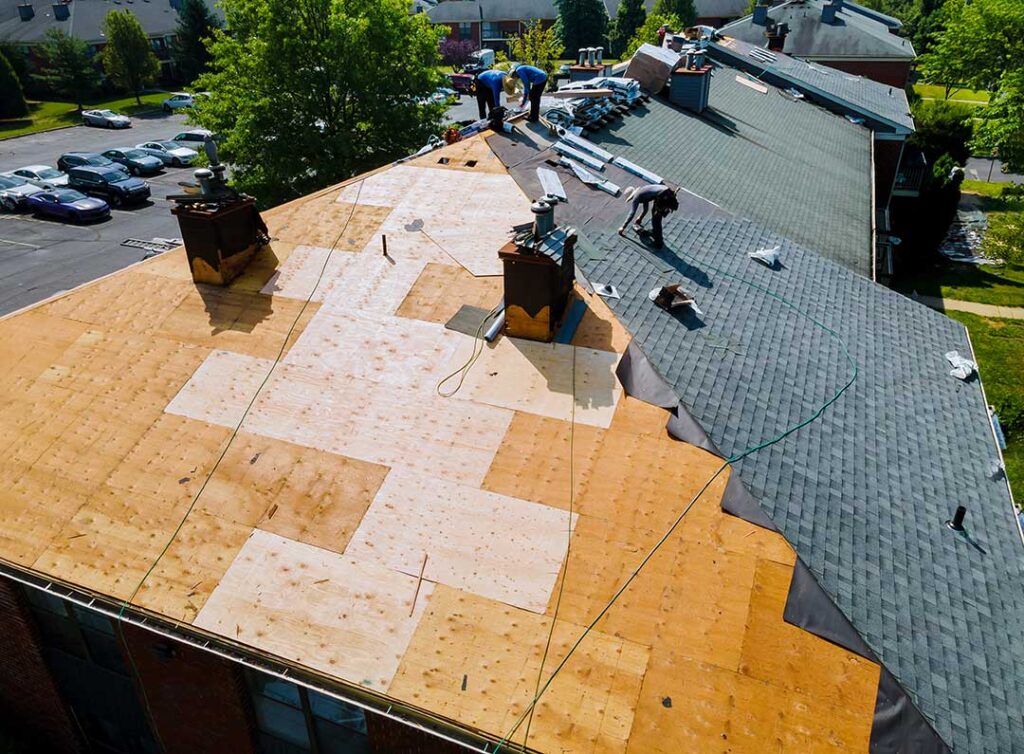
Shade trees can help reduce summer heat on a home, but dense tree cover may also keep roofing materials damp, trap leaves, and increase the risk of moss or algae. In Ithaca, NY, where homes experience humid summers, regular rain, freezing temperatures, and seasonal snowfall, the effect of nearby trees depends on the balance between cooling benefits and moisture-related problems.
Do shade trees make a roof last longer?
Shade does not automatically extend roof life. It may reduce heat-related aging, but persistent shade can shorten the service life of roofing if it prevents surfaces from drying or allows organic debris to accumulate.
Roofing materials expand and contract as temperatures change. Strong sunlight can heat dark shingles significantly during summer, while nighttime cooling causes them to contract. Shade can moderate these temperature swings, particularly on roof sections exposed to afternoon sun. This may reduce some thermal stress.
However, a roof under heavy canopy may remain damp for much longer after rain, especially on north-facing or lower-slope sections. The same conditions that benefit moss and algae can also contribute to faster deterioration of exposed shingle surfaces, underlayment, flashing, and wood components.
The tree itself is not necessarily the problem. The main concern is the microclimate created around the roof: reduced sunlight, limited airflow, falling debris, and additional moisture.
How does shade contribute to moss and algae?
Moss grows most readily where a roof stays cool and damp. Tree shade can slow evaporation after rain, while branches and leaves may reduce air movement across the roof. In a humid climate, that combination creates favorable conditions for moss, particularly on shaded roof planes with low or moderate slopes.
Moss does more than change the appearance of shingles. It can:
- Hold moisture against the roofing surface
- Lift or separate the edges of shingles
- Interfere with water flowing down the roof
- Trap additional leaves and organic material
- Increase the likelihood of freeze-thaw damage in cold weather
Algae often appears as dark streaks or discoloration. It may be less physically disruptive than moss, but it indicates that the roof is staying damp enough to support biological growth. Areas with repeated staining deserve observation, especially if the discoloration is accompanied by granule loss, curling, or soft spots.
Moss does not usually destroy a roof overnight. The concern is repeated wetting and gradual disturbance of the roofing system over several seasons.
Can falling leaves and small branches damage roofing?
Yes. Leaves, needles, seed pods, and small branches can shorten roof life when they remain on the surface or collect in roof valleys.
A thin layer of leaves may seem harmless, but wet organic material can form a compact mat. That mat holds moisture against shingles and may block normal drainage. Valleys, areas behind chimneys, and roof sections below large branches are especially prone to buildup.
Small branches can scratch shingles, knock off protective granules, or damage flashing during windy weather. Larger limbs create a more obvious structural hazard, but repeated contact from smaller branches can also wear roofing surfaces over time.
Debris is particularly troublesome during autumn, when deciduous trees shed leaves, and during late winter or spring storms that bring down deadwood. A roof may appear clear from the ground while debris remains in valleys or behind rooftop equipment.
Do trees protect roofs from snow and summer heat?
Trees can provide some protection, but the result is mixed.
During summer, shade may lower the temperature of roof surfaces and reduce heat entering the upper levels of a home. Properly placed trees can also reduce cooling demand by shading walls and windows. This benefit is greatest when branches are not directly touching the roof and when the canopy still allows reasonable airflow.
During winter, tree cover may reduce exposure to some wind-driven precipitation. However, branches can also catch snow and release it unevenly onto the roof. Melting and refreezing may occur differently under shaded areas, creating localized ice buildup or prolonged dampness.
Shade can also slow snowmelt. That is not automatically harmful, but uneven melting may contribute to ice dams when warm areas of the roof cause snow to melt and refreeze near colder eaves. Roof insulation, air sealing, ventilation, roof design, and weather conditions all play roles, so trees are only one part of the picture.
Which roof areas are most affected by nearby trees?
The most vulnerable areas are usually those with limited sunlight, poor airflow, or places where debris naturally collects.
Pay particular attention to:
- North-facing roof slopes
- Low-slope sections
- Roof valleys
- Areas beneath overhanging branches
- Sections near dormers, chimneys, and wall intersections
- Gutters and downspouts below dense canopy
- Older roofs with worn or brittle shingles
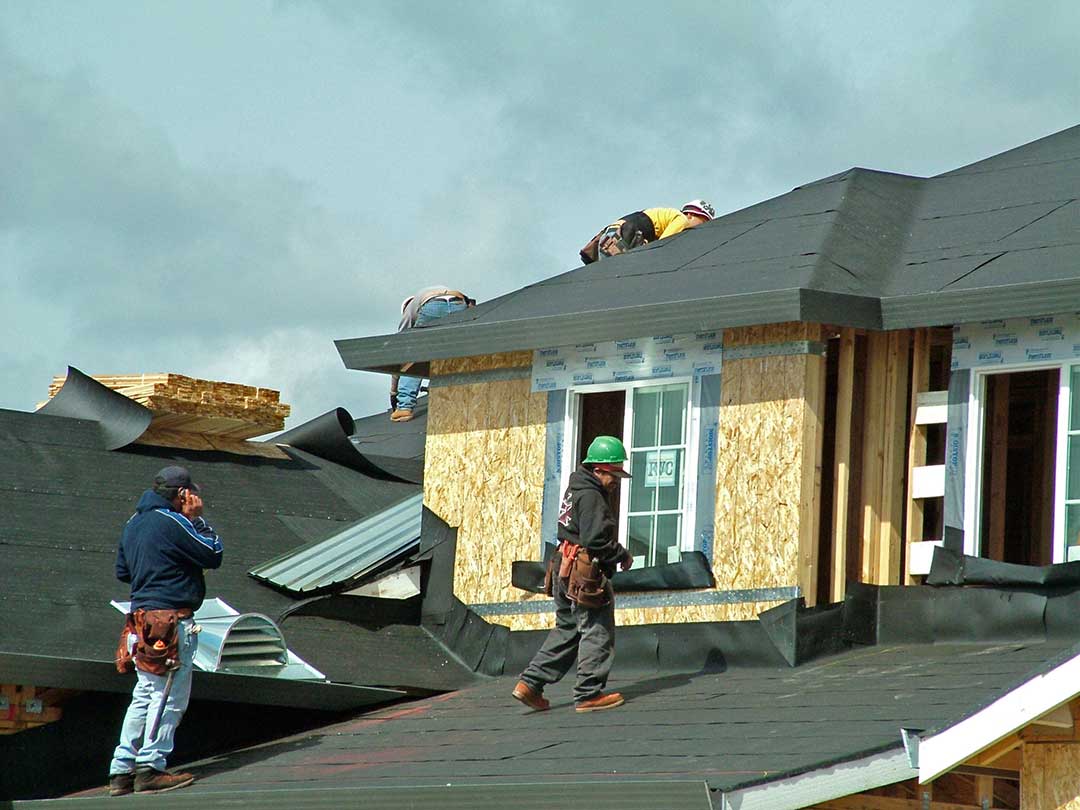
A steep, well-ventilated roof may dry more quickly than a shallow roof under the same tree. Roofing material also matters. Wood shakes, older asphalt shingles, and weathered membrane systems may respond differently to shade and moisture than newer, well-maintained roofing.
How far should branches be kept from a roof?
Branches should not rest on or rub against roofing materials. Clearance needs vary with tree size, growth rate, wind exposure, and the roof’s shape, but a visible gap between branches and the roof is generally preferable to direct contact.
Pruning should account for future growth rather than only the current position of the limbs. Branches that are safely separated in spring may press against shingles after summer growth or during wet, windy weather.
Tree work becomes hazardous near overhead utility lines, steep roofs, large limbs, or unstable trees. Those conditions require appropriate safety measures and may justify qualified assistance rather than do-it-yourself pruning.
What maintenance helps a shaded roof last longer?
The most useful maintenance is regular observation and prompt removal of conditions that keep the roof wet.
A practical seasonal routine includes:
- Inspecting roof valleys and lower roof edges after leaf fall
- Clearing gutters and downspouts so water can drain freely
- Looking for moss, algae, lifted shingles, and exposed underlayment
- Checking whether branches are rubbing against the roof
- Watching for dead limbs that could fall during storms
- Examining attic areas for damp insulation, staining, or musty odors
- Taking photographs of recurring problem areas to track changes
Do not power-wash asphalt shingles or scrape moss aggressively. High-pressure cleaning can remove granules and damage the surface. Walking on a steep or wet roof also creates a fall risk and may damage fragile materials.
If moss is widespread, shingles are lifting, a limb has struck the roof, or water is entering the attic, the condition should be assessed safely. Roof damage can be difficult to judge from the ground, and disturbed shingles may allow moisture into the roof assembly before an interior leak becomes visible.
Should homeowners remove shade trees to protect a roof?
Usually, no. Removing a healthy tree solely because it shades part of a roof may solve one maintenance issue while creating others, including greater summer heat, wind exposure, erosion, and loss of stormwater interception.
A better approach is often to manage the relationship between the tree and the roof. That may involve selective pruning, keeping gutters clear, improving attic ventilation where appropriate, and monitoring shaded roof areas more closely.
The right balance depends on tree health, roof condition, branch clearance, drainage, and the amount of sunlight reaching the roof. In a community with mature residential trees and variable winter weather, thoughtful tree maintenance is generally more useful than treating all shade as harmful.
What is the main relationship between trees and roof longevity?
Shade trees can reduce heat exposure, but dense canopy can shorten roof life when it creates prolonged dampness, debris buildup, branch contact, or drainage problems. The longest-lasting roofs are not necessarily the ones with no trees nearby; they are the ones that remain structurally sound, well-drained, reasonably ventilated, and free of persistent organic buildup.
For local households, the most useful question is not simply whether a roof is shaded. It is whether the shaded areas dry after rain, drain properly, remain free of moss and debris, and avoid contact with growing branches.
