
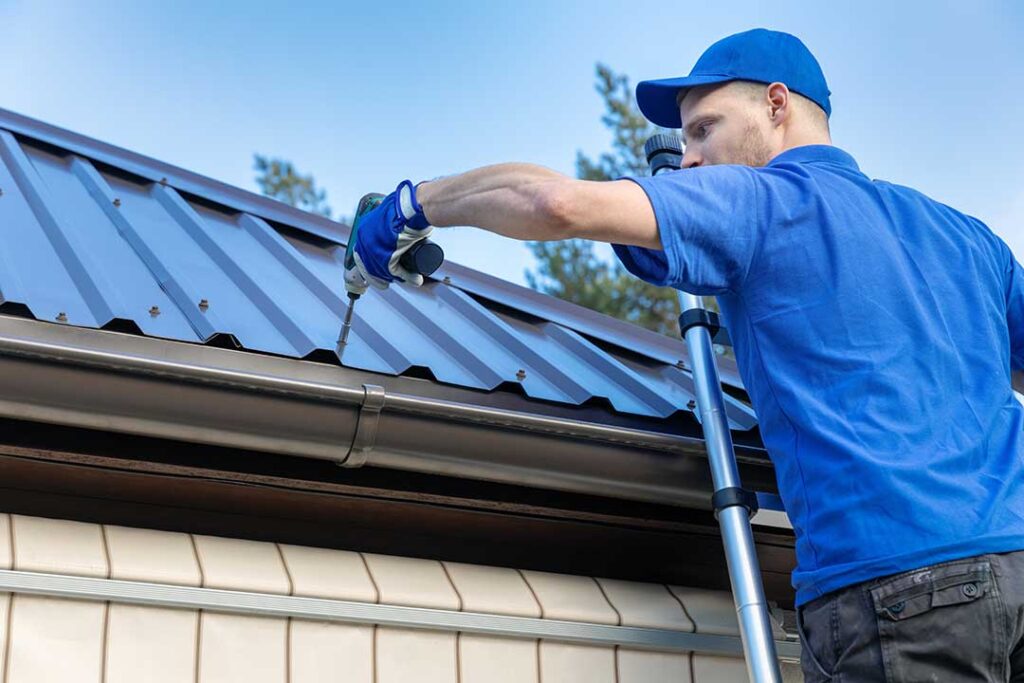
Roofing scams often appear after wind, heavy snow, hail, or other weather events, when homeowners are worried about leaks and property damage. The most reliable protection is to slow the process down, verify claims independently, and require clear written terms before any money changes hands.
What are the most common roofing scams?
The most common scams involve unsolicited offers, false damage claims, vague contracts, inflated insurance promises, and large payments requested before meaningful work begins.
A person may knock on the door and claim to have noticed damaged shingles from a nearby project. Another may offer a “limited-time” discount because materials are already available in the area. These approaches are not automatically proof of fraud, but pressure and unverifiable claims deserve caution.
Watch for:
- Claims that a roof must be replaced immediately without a thorough explanation
- Offers to repair “storm damage” even though no storm damage is visible
- A promise to waive the insurance deductible
- Requests to sign an insurance authorization or claim form immediately
- A contract with blank spaces, unclear materials, or no completion date
- A demand for full payment before work starts
- A price that changes substantially after materials arrive
- Workers who cannot provide a business name, address, identification, or proof of insurance
- Pressure to pay in cash, by wire transfer, gift card, or another difficult-to-reverse method
A legitimate roofing project may require a deposit for materials, but the amount and payment schedule should be stated clearly in the written agreement.
Should a homeowner trust a door-to-door roofing offer?
An unsolicited visit should be treated as a lead, not as proof that a roof needs work. A homeowner does not need to make a decision at the door.
Ask the visitor to leave written information that includes the business name, telephone number, physical mailing address, and a description of the alleged problem. Do not allow anyone onto the roof simply because they say an inspection is urgent.
A homeowner can arrange an independent inspection later, compare written evaluations, and check whether the claimed damage is consistent with the roof’s age and known history. A trustworthy evaluator should be able to explain what was observed without using fear, exaggerated language, or pressure.
In Ithaca, winter weather, freeze-thaw cycles, ice, wind, and heavy snow can contribute to legitimate roofing problems. Those conditions also make it easier for a dishonest salesperson to describe ordinary aging or minor damage as an emergency replacement situation.
How can roofing damage be verified?
Start with the property owner’s own records and observations. Look for signs such as active water intrusion, missing shingles, exposed underlayment, damaged flashing, sagging roof areas, or debris impact. Interior staining can indicate a leak, but a ceiling stain does not automatically prove that the entire roof must be replaced.
If an insurance claim may be involved, contact the insurance company directly using a known phone number from the policy documents. Ask about the claims process before signing paperwork presented by a contractor or salesperson.
Be cautious if someone says:
- The insurance company has already approved a full replacement
- The homeowner must sign over all insurance proceeds
- The contractor can guarantee a specific insurance payment
- The deductible can legally be avoided
- Repairs must begin before the insurer has inspected the damage
A roofing contractor can document conditions and provide an estimate, but the insurance company determines coverage under the policy. No contractor can legitimately guarantee how an insurer will interpret a claim.
What should a homeowner verify before signing?
Verify the person and the paperwork separately. A polished truck, uniform, website, or business card is not enough to establish reliability.
Ask for:
- Proof of general liability insurance
- Proof of workers’ compensation coverage when applicable
- Recent references for comparable roofing work
- A written description of the proposed repairs
- The type, grade, and quantity of major materials
- The expected start and completion dates
- The total price and payment schedule
- Responsibility for permits, inspections, cleanup, and disposal
- Warranty terms, including who provides each warranty
- The legal business name and contact information
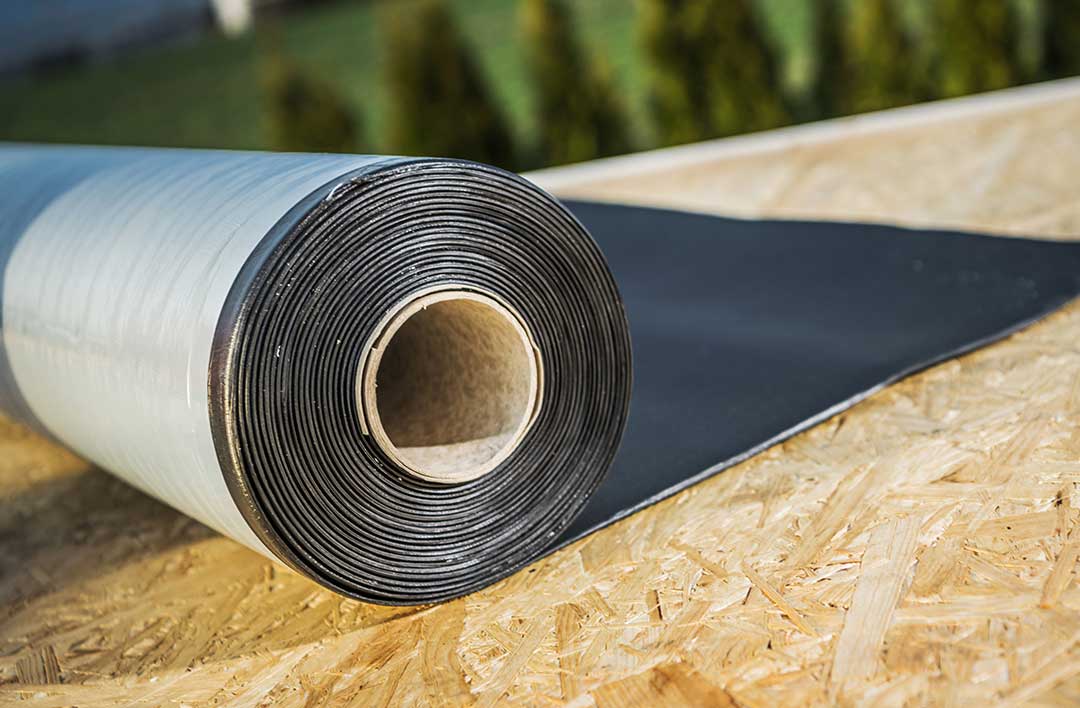
Check references by asking whether the project was completed as promised, whether the final price changed, and whether the contractor returned to address problems. Photographs alone are not reliable evidence of local work.
New York does not have one statewide license covering every home-improvement contractor, and local requirements can differ. Before work begins, verify with the appropriate local building department whether the project requires a permit and who is responsible for obtaining it. A contract should not state that permits are unnecessary unless that has been independently confirmed.
For larger projects, New York home-improvement contracts generally need to be in writing. A written agreement is useful even for smaller repairs because verbal promises are difficult to prove later.
How much money should be paid upfront?
Avoid paying the full contract price before work begins. A reasonable payment schedule should connect payments to identifiable stages, such as delivery of materials, completion of preparation, installation, and final cleanup.
Never make a large payment merely because a salesperson says the price will disappear tomorrow. If a deposit is requested, the contract should explain what it covers and what happens if the project is canceled or delayed.
Use a payment method that creates a record. Keep copies of receipts, invoices, canceled checks, messages, photographs, inspection reports, and signed documents. Do not sign a blank check, blank authorization, or incomplete contract.
Homeowners should also be cautious with financing offered exclusively through a contractor. Compare the interest rate, fees, repayment period, security interest, and cancellation terms before accepting any loan.
What contract details are easy to overlook?
Many disputes begin with a contract that says “roof replacement” without explaining what that includes. The agreement should identify whether the work covers tear-off, underlayment, flashing, ventilation, decking repairs, ice-barrier materials, gutters, chimney flashing, skylights, and cleanup.
It should also explain what happens if hidden damage is discovered. A fair change-order process requires written approval before extra work is performed, except where immediate action is needed to prevent serious damage. Even then, the contractor should document the condition and explain the added cost.
Look for clear answers to these questions:
- Who removes and replaces damaged decking?
- How are nails and debris removed from the property?
- Are attic ventilation issues included?
- What happens to unused materials?
- Who is responsible for damage to landscaping, siding, or interior finishes?
- When does the warranty begin?
- What exclusions could limit the warranty?
If a salesperson refuses to put an important promise in writing, assume that promise may not be enforceable.
What should someone do after encountering a suspected scam?
Stop signing documents and stop additional payments until the situation is reviewed. Save all evidence, including phone numbers, vehicle information, business cards, contracts, payment records, photographs, and text messages.
If payment was made recently, contact the bank or card issuer promptly and ask whether the transaction can be stopped or disputed. Report suspected fraud to the appropriate consumer-protection authorities and, where insurance is involved, notify the insurer.
If work has created an immediate safety hazard, keep people away from the area and arrange for the condition to be documented. Roofing surfaces can be dangerous, particularly during wet, icy, or snowy conditions. Homeowners should not climb onto a damaged roof to investigate a salesperson’s claim.
A sound roofing decision rarely depends on acting within minutes. Independent verification, several written comparisons, and a complete contract provide much stronger protection than a bargain offered under pressure.
