
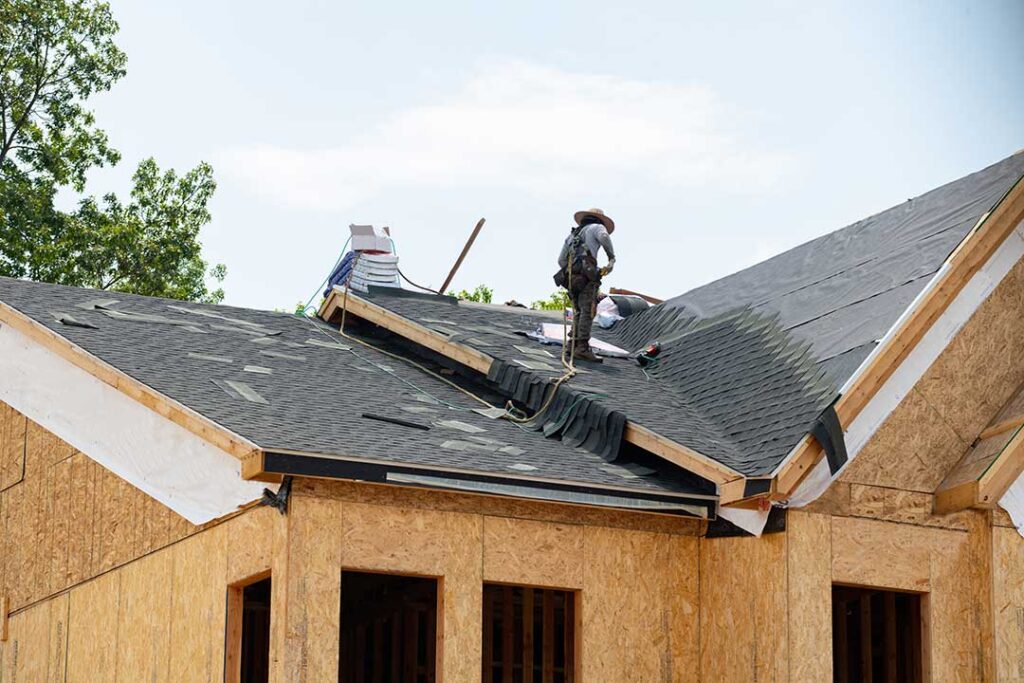
Roof underlayment is the water-shedding layer installed between the roof deck and the outer roof covering, such as asphalt shingles, metal panels, or tile. It is not usually visible after installation, but it provides important backup protection when wind-driven rain, melting snow, or ice works beneath the roof covering.
What does roof underlayment do?
Underlayment helps prevent water from reaching the wood roof deck and the interior of the home. It also provides temporary protection during construction, before the final roof covering is installed.
A roof system typically includes:
- The roof deck, usually plywood or oriented strand board
- Underlayment placed over the deck
- Flashing around chimneys, walls, valleys, vents, and other openings
- The visible roof covering
- Ventilation components that help manage heat and moisture in the attic
Shingles and other roof coverings are designed to shed most water, but no roof covering forms a perfect waterproof surface by itself. Wind can lift edges, rain can move sideways, and snow or ice can create conditions that allow moisture to travel beneath the outer layer. Underlayment gives the roof another line of defense.
Why is underlayment especially relevant in Ithaca?
Ithaca, NY experiences snowy winters, freezing temperatures, rain, and repeated freeze-thaw cycles. Those conditions can place extra stress on roof edges, valleys, penetrations, and areas where different materials meet.
Snow may melt during a warmer period and then refreeze near colder roof edges. This can contribute to ice dams, which hold water against the lower portion of the roof. A properly installed ice-barrier membrane can reduce the chance that this backed-up water will reach the roof deck, although it cannot correct every cause of ice dams.
Seasonal moisture also matters. Spring rain, summer humidity, autumn debris, and winter snow all affect how a roof assembly performs. Underlayment must remain properly attached, overlapped, and integrated with flashing to work as intended.
What are the main types of roof underlayment?
The three most common categories are asphalt-saturated felt, synthetic underlayment, and self-adhering membrane.
Asphalt-saturated felt
Often called roofing felt, this traditional material has been used for many decades. It is relatively economical and can provide suitable water-shedding protection when installed correctly.
Felt can wrinkle, tear, or become damaged if left exposed for too long. It may also be less resistant to foot traffic and weather exposure than some newer materials.
Synthetic underlayment
Synthetic sheets are made from manufactured polymers and are commonly used beneath asphalt shingles and other roof coverings. They are generally lighter than felt, resist tearing, and may remain stable during a longer installation period.
Synthetic underlayment is not automatically better in every situation. Its performance depends on the product, roof design, fastening method, exposure time, and compatibility with the roof covering.
Self-adhering ice-barrier membrane
This rubberized or polymer-modified membrane has an adhesive backing and is used in areas especially vulnerable to water backup. Common locations include eaves, valleys, roof-to-wall intersections, and areas around certain penetrations.
In cold climates, this membrane is particularly relevant near roof edges where ice dams may form. It must be installed on a clean, suitable deck and detailed carefully around corners, seams, and transitions.
Is roof underlayment the same as an ice-and-water shield?
No. An ice-barrier membrane is a type of underlayment designed for more demanding water-exposure areas. Standard felt or synthetic underlayment generally relies on overlapping layers and mechanical fasteners. A self-adhering membrane creates a more continuous seal over the roof deck and around fastener locations.
The terms are sometimes used interchangeably in casual conversation, but they describe different materials and functions. A roof may use more than one type of underlayment in different locations.
Where should ice-barrier protection be installed?
Exact requirements depend on the roof design, materials, slope, and applicable New York State code provisions. In general, ice-barrier protection is associated with roof edges and other locations where water can accumulate or move beneath the roof covering.
Important areas may include:
- Eaves and lower roof edges
- Valleys where two roof slopes meet
- Roof-to-wall intersections
- Around chimneys and certain roof penetrations
- Low-slope sections
- Areas below skylights or other features that interrupt water flow
The membrane should be integrated with metal flashing and other layers rather than simply placed nearby. Installing it in the wrong location, stopping it too short, or leaving gaps can reduce its value.
Can underlayment stop all roof leaks?
No. Underlayment is a secondary water-resistance layer, not a substitute for sound roof design and installation.
Leaks may still occur because of:
- Damaged or missing roof coverings
- Improper flashing
- Open seams or exposed fasteners
- Deteriorated pipe boots
- Poorly sealed roof-to-wall transitions
- Clogged or poorly designed drainage paths
- Condensation from attic moisture
- Ice dams that exceed the protection provided
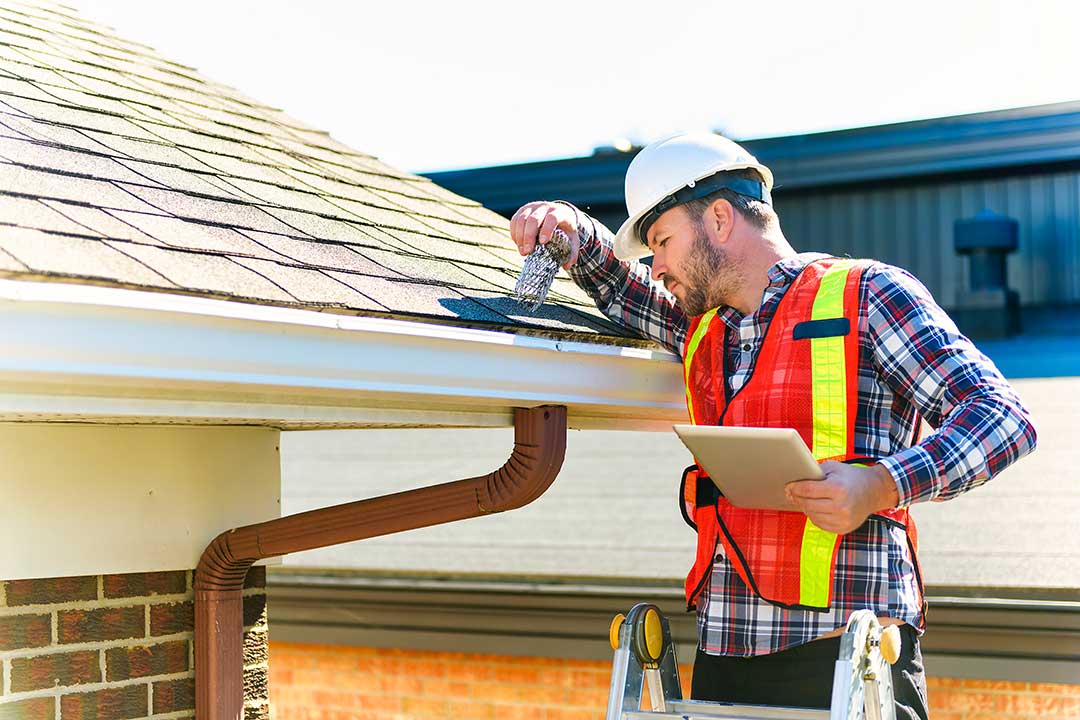
A leak appearing inside a home does not always indicate failed underlayment. Water can travel along rafters, roof decking, insulation, or framing before becoming visible.
Does better underlayment fix poor attic ventilation?
No. Underlayment and attic ventilation perform different jobs.
Underlayment helps manage water that reaches the roof deck. Ventilation helps control heat and moisture in the attic. In winter, inadequate insulation or ventilation can allow warm attic air to heat the underside of the roof, contributing to uneven snow melt and refreezing at the eaves.
Improving underlayment without addressing major attic moisture or ventilation problems may leave the underlying cause unresolved. Likewise, better ventilation cannot replace missing or damaged water-shedding layers.
What should homeowners look for during a roof replacement?
The most useful questions concern installation details rather than product names.
Ask whether the work includes:
- Inspection of the roof deck for rot, delamination, or weak areas
- A clearly defined underlayment plan for eaves, valleys, and penetrations
- Proper overlap and fastening of sheet underlayment
- Integration with step flashing and other metal flashing
- Protection of the roof deck if weather interrupts the work
- Installation according to the material manufacturer’s instructions
- Compliance with the current code requirements that apply to the project
The roof deck should be reasonably clean and dry before underlayment is installed. Wrinkles, torn sections, loose edges, and unsealed transitions deserve attention before the roof covering conceals them.
How can underlayment be checked on an existing roof?
Most underlayment cannot be inspected without removing part of the roof covering. Homeowners can still look for clues that warrant further evaluation:
- Water stains near eaves, valleys, or roof penetrations
- Damp insulation or musty attic odors
- Repeated leaks during snow or wind-driven rain
- Sagging or discolored roof decking
- Shingles that are missing, lifted, or heavily worn
- Evidence of past patching around flashing
- Ice buildup that repeatedly reaches the roof edge
Attic inspections should be performed from a safe location. Walking on roof decking that is hidden by insulation can be hazardous, especially where moisture has weakened the wood. Roof access is also risky during snow, ice, high winds, or wet conditions.
A well-functioning roof uses several coordinated layers. Underlayment is the hidden layer that helps connect the visible roof covering, flashing, and roof deck into a more resilient system.
