
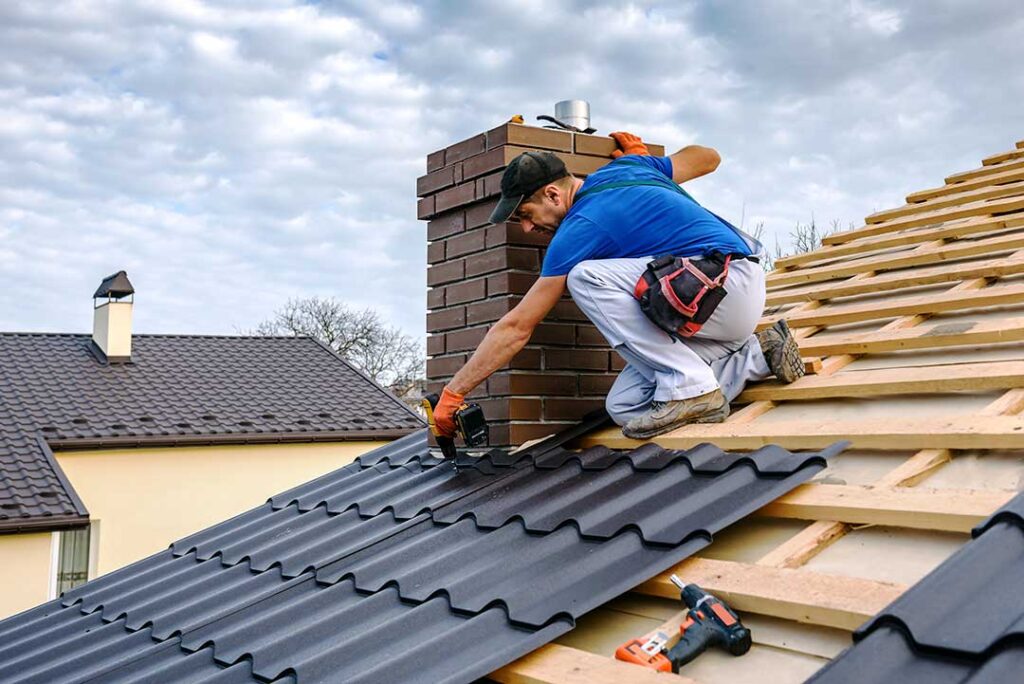
How often should a roof be inspected?
For most homes, a roof inspection once a year is a sensible baseline. In Ithaca, NY, the most useful timing is usually late spring through early summer, after winter snow, ice, wind, and freeze-thaw cycles have passed.
An annual inspection does not mean the roof needs repair every year. It provides a chance to identify small problems—such as lifted shingles, damaged flashing, clogged drainage paths, or damp insulation—before they become interior leaks or structural concerns.
A second inspection may be worthwhile in autumn, especially for older roofs, homes surrounded by mature trees, or properties that experienced heavy summer storms. The goal is to confirm that the roof and drainage system are ready for another winter.
Why is late spring a good time for an inspection?
Late spring makes it easier to evaluate damage caused by winter weather. Snow and ice can conceal problems for weeks, while repeated freezing and thawing may loosen materials or open small gaps around roof penetrations.
A spring inspection can look for:
- Missing, cracked, curled, or displaced shingles
- Loose metal around chimneys, vents, skylights, and wall transitions
- Damaged pipe collars or exposed fasteners
- Sagging areas or irregular roof lines
- Water staining in attic spaces
- Ice-dam-related damage near eaves
- Blocked or poorly draining gutters and downspouts
- Moss or organic buildup that is holding moisture against the roof
A roof may appear intact from the ground while still having damage in valleys, along edges, or around flashing. Spring is also a practical time to address ventilation and insulation concerns that contributed to winter moisture or ice buildup.
Should a roof be inspected before winter?
Yes, a pre-winter inspection can be useful when the roof is older, has a history of leaks, or has not been evaluated since a major storm. The ideal timing is before persistent snow and freezing conditions make roof access more difficult.
A fall inspection should focus on whether the roof is watertight and whether water can move away from the building. Gutters, downspouts, roof valleys, and drainage points deserve particular attention. Leaves and small debris can block water flow, increasing the chance of overflow near fascia boards, foundations, and lower roof edges.
Before winter, it is also reasonable to check the attic for:
- Damp insulation
- Frost on nails or roof sheathing
- Condensation
- Daylight visible through unintended openings
- Signs of rodents or birds entering through roof gaps
Good attic ventilation does not replace roof maintenance, and roof maintenance does not correct every ventilation problem. These systems affect each other, so recurring frost, moisture, or ice buildup should be evaluated as a related building issue rather than treated only as a surface-roof problem.
When should an inspection happen after a storm?
An inspection should be considered after severe wind, hail, heavy rain, falling branches, or an unusually large snow and ice event. It is especially appropriate when the home shows signs of water entry or when nearby properties experienced visible storm damage.
Warning signs include:
- New ceiling or wall stains
- Dripping or damp attic areas
- Shingles or metal pieces found in the yard
- Exposed underlayment or roof decking
- A gutter or downspout pulled away from the building
- A fallen branch touching the roof
- New drafts or daylight in the attic
- Sagging ceilings or roof sections
- Doors or windows that suddenly stick after a major weather event
Some storm damage is not immediately visible indoors. Wind can loosen materials without creating a leak until the next rain. Hail can affect roof coverings, vents, siding, and flashing. Heavy snow may create concentrated loads where drifts collect near roof transitions, dormers, parapets, or other raised features.
If the roof appears unstable, the ceiling is sagging, or electrical components are wet, people should stay away from the affected area and avoid climbing onto the roof. Roof surfaces are particularly hazardous when wet, icy, or covered by debris.
Do newer roofs need regular inspections?
Yes. A newer roof may be less likely to have age-related deterioration, but it can still be affected by installation issues, storm damage, animals, falling limbs, or problems around flashing and ventilation.
A routine inspection can help confirm that materials are performing as expected and that minor defects are not being overlooked. It can also establish a record of the roof’s condition over time, which is useful when tracking changes or planning future maintenance.
However, a visual inspection does not guarantee that every hidden defect will be found. Moisture may travel along rafters before appearing indoors, and damage beneath shingles may not be visible without closer evaluation.
What changes the inspection schedule?
The once-a-year guideline should be adjusted based on the home and its surroundings.
More frequent inspections may make sense when:
- The roof is more than about 15 to 20 years old, depending on its material and condition
- The property has large trees overhanging the roof
- The roof has several valleys, dormers, skylights, or additions
- Ice dams or attic condensation have occurred before
- The home has had repeated leaks or temporary repairs
- Strong storms are common during a particular season
- The roof is low-slope or difficult to drain
- An addition meets an older roof section
- The building is vacant for extended periods
Homes with complex roof designs have more transitions where water can collect or flashing can fail. Older houses may also have multiple roof layers or past repairs that make drainage and ventilation less predictable.
Can homeowners inspect the roof themselves?
Homeowners can safely perform a ground-level review, but climbing onto a roof is not necessary for routine observation and can create a serious fall risk.
From the ground, binoculars can help identify missing shingles, sagging lines, damaged vents, exposed metal, and heavy moss. Inside the home, check attic areas and upper-floor ceilings for stains, musty odors, peeling paint, damp insulation, or visible moisture after rain.
Keep a simple record of:
- The date of each inspection
- Weather events since the previous inspection
- Areas that looked different
- Interior signs of moisture
- Photographs taken from safe locations
A trained inspector is appropriate when damage is suspected, the roof is steep or high, the structure is difficult to access, or the findings could affect safety or insurance documentation. Roof access should be postponed during rain, ice, snow, strong wind, or other hazardous conditions.
What is the most practical schedule for an Ithaca home?
For many households, the following pattern is reasonable:
- Late spring: Inspect for winter and ice-related damage.
- After major storms: Check for wind, hail, branch, and water damage.
- Early to mid-autumn: Clear drainage paths and look for conditions that could worsen during winter.
- Any time a leak appears: Investigate promptly rather than waiting for the next seasonal inspection.
The exact timing depends on roof age, material, design, tree cover, and past problems. The main principle is simple: inspect after demanding weather, inspect before difficult weather, and do not wait for an interior leak to reveal an exterior problem.
