
Replacing a roof is a major household expense, and the best financing choice depends on more than the monthly payment. Homeowners in Ithaca, NY should compare total borrowing costs, repayment risk, insurance coverage, and the urgency of the work before choosing how to pay.
Roof replacement costs can vary widely based on roof size, pitch, layers of existing roofing, decking damage, ventilation, flashing, accessibility, and material selection. A financing decision is easier to evaluate after separating necessary repairs from optional upgrades.
What financing options are available for a new roof?
Most homeowners use savings, a home equity product, an unsecured personal loan, a payment plan arranged through a roofing contractor, or a combination of these methods. Each option has different effects on interest costs, collateral, credit, and repayment flexibility.
Common choices include:
- Cash savings: Paying from savings avoids interest and loan fees. The drawback is reducing funds that may be needed for heating failures, storm damage, medical costs, property taxes, or other emergencies.
- Home equity loan: This provides a lump sum, usually with a fixed repayment schedule. It may work well when the project cost is known and the homeowner has sufficient equity.
- HELOC: A home equity line of credit allows borrowing as needed up to a set limit. Rates are often adjustable, so monthly payments can change over time.
- Unsecured personal loan: This does not use the home as collateral. Approval and pricing commonly depend on credit history, income, debt, and loan term.
- Credit card or promotional financing: This may be practical only for a small balance that can be repaid before a promotional period ends. Otherwise, interest can become expensive quickly.
- Insurance proceeds: If the roof was damaged by a covered event, an insurance claim may pay some or all of the eligible repair cost after the deductible and policy limits are applied.
A longer repayment period can make the monthly bill appear more manageable while increasing the total amount paid.
Is a home equity loan or HELOC better for roofing work?
Neither option is automatically better. A home equity loan offers predictable payments, while a HELOC offers flexibility but may carry a variable rate and changing payment amounts.
A home equity loan may be easier to budget for when the roofing scope is established. It is generally funded as one lump sum, which can simplify payment of a defined project.
A HELOC may be useful when the final cost is uncertain, such as when hidden decking damage could be discovered after old roofing is removed. However, borrowing against home equity places the property at risk if the debt cannot be repaid. A HELOC may also include application, annual, early-closure, or other fees.
Before using either product, review:
- Whether the interest rate is fixed or adjustable
- The length of the repayment period
- Any closing costs or account fees
- Whether payments increase after an introductory period
- Whether the balance must be repaid when the home is sold
- How the new payment fits alongside the existing mortgage
Homeowners with limited equity or an already high debt-to-income ratio may need to consider an unsecured option instead.
What should be compared besides the interest rate?
The annual percentage rate, or APR, is often more useful than the advertised interest rate because it may include certain loan fees. Compare the total repayment amount, not just the monthly payment.
For each option, write down:
- Amount borrowed
- APR and whether it can change
- Loan term
- Estimated monthly payment
- Total interest
- Origination, application, or closing fees
- Late-payment consequences
- Prepayment penalties, if any
- Whether the debt is secured by the home
For example, a lower monthly payment over ten years may cost substantially more than a higher payment over five years. A short promotional period can also be misleading if the remaining balance begins accruing interest at a much higher rate.
Avoid making a decision based only on a payment advertised without the loan term and total cost.
Can homeowners use insurance to pay for a new roof?
Insurance generally pays for sudden, covered damage—not ordinary aging, deferred maintenance, or gradual deterioration. Wind, hail, falling objects, and certain other events may be covered depending on the policy. Wear from years of weather exposure usually is not.
Before assuming insurance will fund a replacement, review:
- The cause of the damage
- The policy deductible
- Whether the roof is insured at replacement cost or actual cash value
- Exclusions for age, neglect, or certain weather conditions
- Any limits for wind, hail, or cosmetic damage
- Whether temporary protection and interior damage are covered
A claim may involve depreciation, meaning the insurer initially pays less because of the roof’s age. Policies and endorsements differ, so the declarations page and full policy language matter more than general assumptions.
Do not finance the full project before understanding the likely insurance contribution. Keep photographs, inspection records, receipts for temporary protection, and written documentation of the damage.
Are there tax credits for a regular roof replacement?
A standard asphalt, metal, or other conventional roof generally does not qualify for a federal residential energy tax credit merely because it is new. Roofing materials that serve only a structural or weatherproofing function are normally treated differently from qualified energy equipment.
Solar shingles or solar roofing tiles may be subject to separate rules because they can perform both roofing and electricity-generating functions. Tax provisions can change, and eligibility may depend on when the property was installed, the specific product, and the homeowner’s tax situation.
Do not subtract a supposed tax credit from the financing amount unless eligibility has been confirmed through current federal guidance or a qualified tax adviser. A tax credit also may not provide cash at the time the roof is installed.
How does Ithaca’s climate affect the financing decision?
The local climate makes timing a practical financial issue. Snow, freeze-thaw cycles, ice, wind, and heavy rain can worsen a small roofing defect. A leak that appears minor in autumn may cause insulation, ceiling, attic, or structural damage during winter.
At the same time, rushing into expensive borrowing after a storm can lead to poor comparisons. If the roof is temporarily watertight, homeowners may have time to compare loan terms and determine whether insurance applies. If water is entering the home or structural damage is present, immediate temporary protection and safety measures take priority.
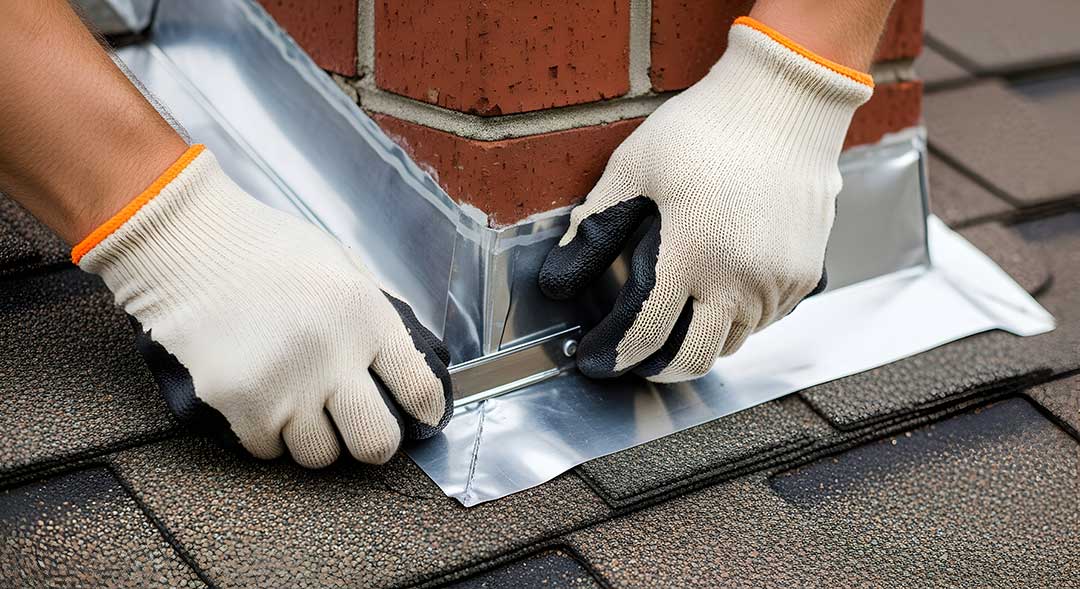
Budgeting should also account for related work that may be discovered during replacement, including damaged sheathing, inadequate ventilation, chimney flashing, skylight details, gutters, or ice-dam-related concerns.
What should homeowners ask before accepting financing?
Ask for the complete written financing terms before signing. Important questions include:
- Who is the actual lender?
- Is the loan secured by the home?
- What is the total amount repaid?
- Does the interest rate change?
- When does repayment begin?
- What happens if the project costs more than expected?
- Are there penalties for early repayment?
- Is there a cancellation period?
- Does financing approval depend on signing a separate installation agreement?
Be cautious if a financing arrangement pressures a homeowner to sign immediately, hides the lender’s identity, uses vague payment language, or presents an unusually low payment without stating the full term.
The roof itself may last for decades, but the debt should fit the household’s expected finances over the entire repayment period. A sound decision balances urgency, total cost, property risk, and the ability to keep payments manageable through Ithaca’s seasonal demands.
