
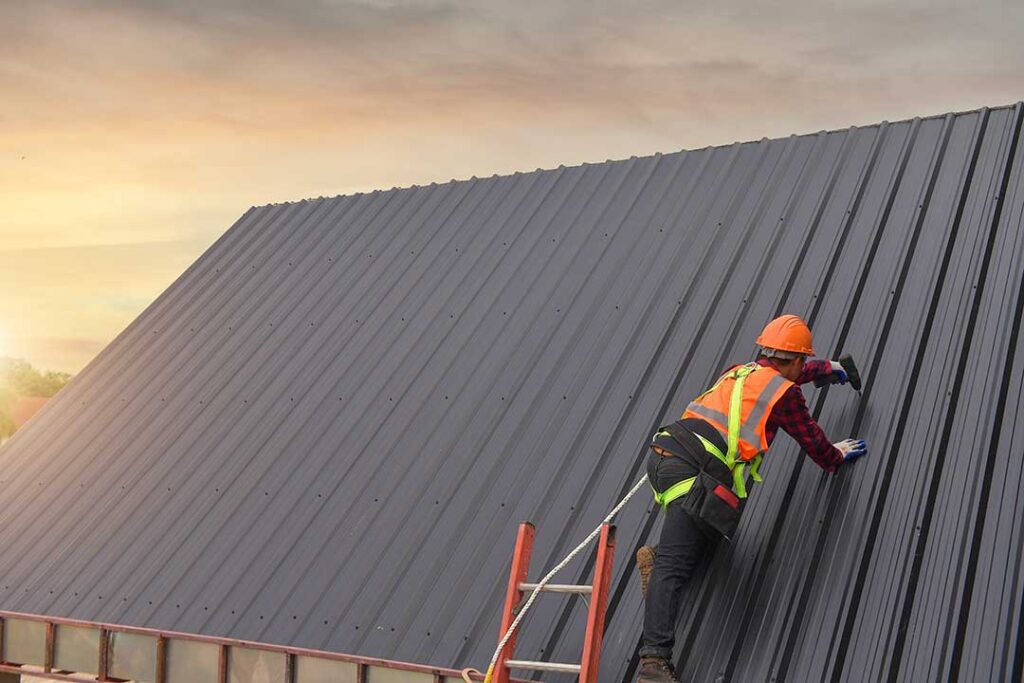
Regular roof maintenance helps prevent small defects from becoming water damage, insulation problems, or premature roof replacement. For households in Ithaca, NY, routine attention is especially useful because roofs must handle snow, freezing temperatures, rain, wind, ice, and repeated thawing.
A roof does not usually fail all at once. More often, problems develop gradually around shingles, flashing, gutters, vents, chimneys, skylights, and roof edges. Maintenance provides an opportunity to find those weak points while they are still manageable.
What does regular roof maintenance include?
Regular roof maintenance is a planned check of the roof system and the areas connected to it. It is more than looking at shingles from the ground and more than cleaning gutters once a year.
A practical maintenance routine may include:
- Looking for missing, cracked, curled, or loose shingles
- Checking metal flashing around chimneys, walls, vents, and skylights
- Clearing leaves, twigs, and other debris from roof surfaces and drainage areas
- Inspecting gutters, downspouts, and extensions for blockage or separation
- Looking for damaged vent covers, pipe collars, and exposed fasteners
- Checking attic areas for damp insulation, staining, daylight, mold-like growth, or musty odors
- Trimming branches that rub against the roof or drop heavy debris
- Reviewing areas where snow and ice tend to collect
Some tasks can be completed safely from the ground. Walking on a sloped, wet, icy, or fragile roof creates fall and damage risks, so close inspection may require appropriate safety equipment and experience.
How does maintenance prevent expensive damage?
Routine maintenance helps identify water entry before moisture spreads into roof decking, wall cavities, ceilings, and insulation. A small opening around flashing may allow water to travel along framing before a stain appears inside the home.
Early attention can also reduce the chance of:
- Rot in roof sheathing or fascia
- Damaged attic insulation
- Peeling paint and stained ceilings
- Electrical hazards caused by water intrusion
- Mold growth in persistently damp materials
- Structural deterioration around roof edges
- Interior damage to walls, flooring, and personal belongings
The benefit is not that every repair will be inexpensive. Rather, maintenance improves the chance that a problem will remain limited to its original location instead of becoming a broader building issue.
Why are seasonal roof inspections useful in Ithaca?
Seasonal changes place different demands on a roof. Snow and ice may expose weaknesses that were not obvious during warmer weather, while summer storms and falling branches can create new damage.
A useful annual schedule is:
Spring
Spring is a good time to look for damage left by winter. Check for displaced shingles, damaged flashing, clogged gutters, and areas where ice or snow may have stressed the roof edge. Water stains in the attic or upper rooms should not be ignored, even if the roof appears dry during the inspection.
Summer
Warm, dry weather makes it easier to examine roof surfaces and drainage components. Windstorms can loosen shingles or expose fasteners. Trees are also fully leafed out, which can hide roof areas and cause debris to collect in valleys and gutters.
Fall
Before snow arrives, remove accumulated leaves and confirm that downspouts direct water away from the foundation. Branches near the roof deserve attention before winter winds and ice add weight. Fall is also a useful time to look for deteriorated sealants and exposed metal that may be affected by freeze-thaw cycles.
Winter
Roof work during icy or snowy conditions can be hazardous. Winter monitoring should focus on warning signs visible from the ground or inside the home, including sagging rooflines, unusually large ice buildup, leaking ceilings, and blocked drainage. Heavy snow should not be removed casually; improper methods can damage shingles or endanger people below.
Can maintenance help prevent ice dams?
Maintenance can reduce conditions that contribute to ice dams, although it cannot guarantee that they will never form. Ice dams develop when heat escapes into the attic and melts snow on warmer roof sections. The water then refreezes near colder eaves and may back up beneath roof coverings.
The roof covering is only part of the issue. Attic insulation, air sealing, and ventilation affect roof temperatures and moisture movement. Blocked soffit vents, gaps around attic openings, and poorly distributed insulation can contribute to uneven heating.
Helpful preventive steps include:
- Keeping gutters and roof drainage paths clear
- Checking that attic vents are not blocked by insulation or debris
- Sealing major air leaks between heated rooms and the attic
- Maintaining consistent insulation coverage where appropriate
- Watching for recurring ice buildup in the same roof sections
- Avoiding the use of salt or sharp tools on shingles
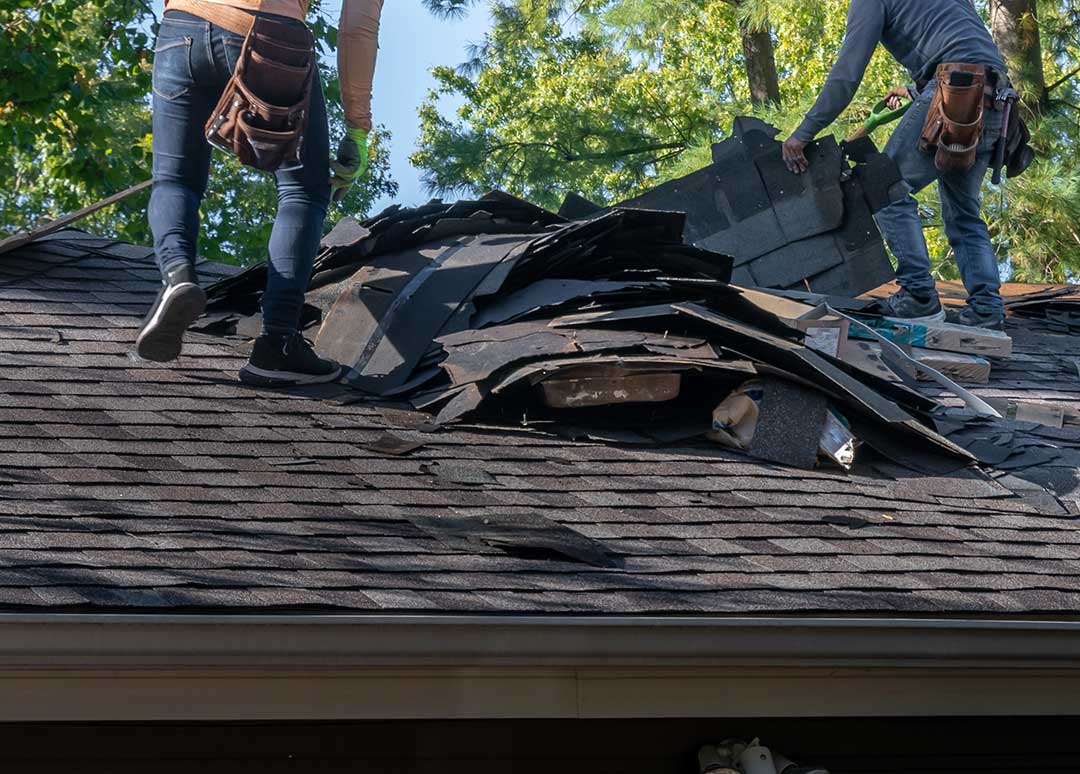
If an ice dam is causing active interior leakage, the immediate concern is preventing further water damage while avoiding unsafe roof access. Recurring ice dams usually require attention to the attic and roof system together, not just removal of the visible ice.
Does roof maintenance improve energy efficiency?
Roof maintenance can support energy efficiency when it addresses attic moisture, air leakage, and ventilation problems. A roof itself is not the only barrier protecting a home from heat loss. The attic floor, insulation, air-sealing details, and ventilation all influence indoor comfort.
Wet insulation performs poorly and can remain damp after a leak appears to stop. Gaps around plumbing vents, chimneys, recessed fixtures, attic doors, and ductwork can allow warm indoor air to enter the attic during winter. That air may carry moisture, contributing to condensation and frost.
Maintenance does not replace needed insulation upgrades or energy improvements, but it can reveal conditions that make those improvements less effective.
What roof problems are easy to overlook?
Some of the most consequential defects are not obvious from the yard. Commonly overlooked areas include:
- Flashing at roof-to-wall intersections
- Rubber seals around plumbing pipes
- Valleys where two roof slopes meet
- Roof edges above enclosed porches or additions
- Areas beneath accumulated moss or leaves
- Gutters that appear clean but are loose or improperly sloped
- Attic insulation that is damp or compressed
- Small ceiling stains that disappear during dry weather
A roof leak may not occur directly above the interior stain. Water can move along rafters, decking, insulation, or wall framing before becoming visible.
How often should a roof be checked?
Most homes benefit from a basic inspection at least twice a year, commonly in spring and fall, along with additional checks after severe wind, heavy snow, fallen branches, or prolonged rain. Older roofs and roofs with a history of leaks may need closer observation.
A maintenance record can be useful. Note the date, weather conditions, visible concerns, completed repairs, and photographs of areas that may change over time. This helps distinguish a new problem from an old stain and makes it easier to monitor recurring trouble spots.
Immediate attention is warranted for visible sagging, active leaks, exposed roof decking, large areas of missing covering, damaged electrical components, or snow and ice conditions that appear to threaten the structure. Roof access should be treated as hazardous whenever surfaces are wet, icy, steep, unstable, or covered by snow.
