
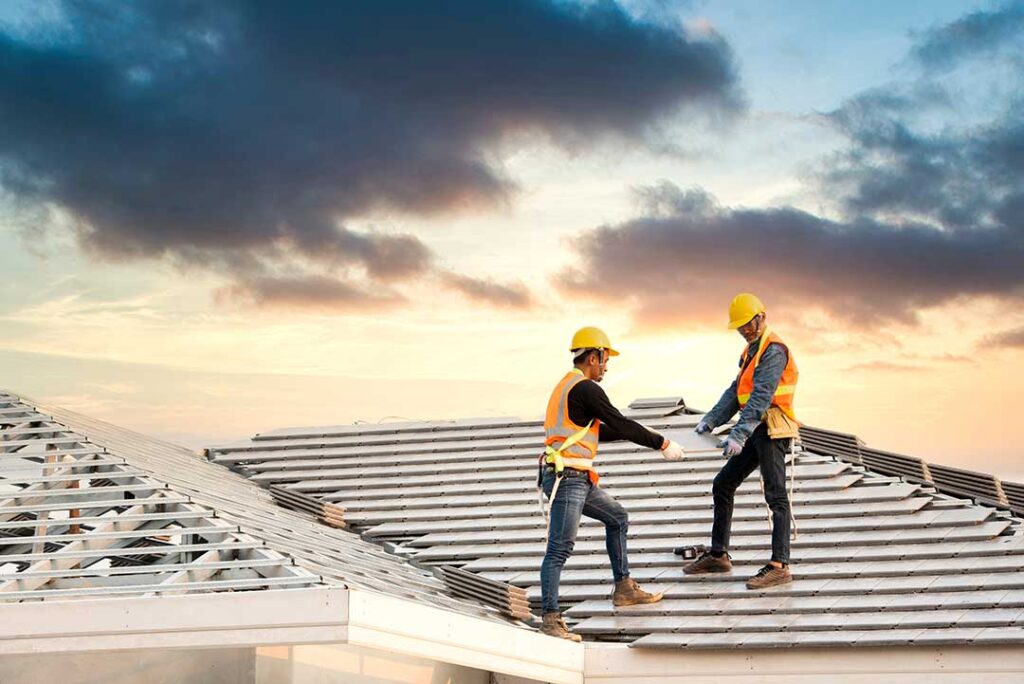
What is the difference between re-roofing and roof replacement?
Re-roofing adds a new layer of roofing material over an existing layer, while roof replacement removes the old roofing system before installing new materials. Re-roofing is usually limited to roofs with one existing layer of asphalt shingles and no major underlying damage.
A full replacement is more extensive. It typically involves removing shingles, underlayment, flashing, and sometimes damaged roof decking so the condition of the entire system can be inspected and corrected.
The two options may look similar from the ground, but they address different problems. Re-roofing mainly improves the roof’s outer surface. Replacement addresses both the visible covering and the components beneath it.
When is re-roofing a reasonable option?
Re-roofing may be suitable when the existing roof is relatively flat, clean, and structurally sound. The shingles should generally be near the end of their service life but not showing widespread failure.
Typical conditions that may support re-roofing include:
- One existing layer of asphalt shingles
- No active leaks or only minor, localized issues
- No widespread curling, buckling, or missing shingles
- Roof decking that is dry and firm
- Proper roof slope for the selected material
- Flashing around chimneys, walls, skylights, and roof penetrations that remains serviceable
Re-roofing can improve appearance and add another layer of weather protection without the labor involved in removing the existing shingles. It may also reduce the amount of roofing material sent to a landfill.
However, re-roofing does not correct concealed problems. If water has damaged the decking, if ventilation is poor, or if flashing is failing, placing new shingles over the old ones may leave the underlying issue in place.
When is a full roof replacement necessary?
A full replacement is generally needed when the existing roof has significant deterioration, multiple layers, or damage beneath the shingles. Removing the old materials allows the roof deck and other components to be examined directly.
Replacement is more likely to be appropriate when a roof has:
- Two or more existing shingle layers
- Repeated leaks in different areas
- Extensive moss or moisture damage
- Large areas of curled, cracked, blistered, or missing shingles
- Sagging between rafters or along roof edges
- Soft, rotted, or visibly damaged decking
- Deteriorated chimney, wall, valley, or vent flashing
- Inadequate or blocked attic ventilation
- Damage from wind, falling branches, ice, or prolonged moisture exposure
A roof that appears acceptable from the ground can still have problems beneath the shingles. Water may travel along the roof deck or framing before appearing as a ceiling stain, making the visible leak location misleading.
How does Ithaca, NY weather affect the decision?
The local climate can place repeated stress on roofing systems. Ithaca experiences snowy winters, freezing temperatures, thawing periods, heavy rain, and seasonal changes that can expose weak points in shingles and flashing.
Snow itself is not always the main concern. Repeated freeze-thaw cycles can cause small openings around fasteners, flashing, and damaged shingles to expand and contract. Ice buildup near roof edges can also contribute to water backing up beneath shingles when drainage is restricted.
Moisture is another important factor. Shaded roof sections, mature trees, and damp conditions can encourage moss or algae growth. Moss may hold moisture against shingles and gradually affect their surface, especially if the roof already has poor drainage or limited sunlight.
These conditions do not automatically rule out re-roofing. They do make a careful inspection more important, particularly when the roof has a history of leaks or has been exposed to substantial winter weather.
Can new shingles be installed over old shingles?
Sometimes, but only under limited conditions. Asphalt shingle manufacturers and local building requirements may restrict the number of layers allowed. A roof with more than one existing layer typically requires removal before another roof covering is installed.
Even where another layer is permitted, the existing shingles must be reasonably flat and secure. New shingles installed over badly curled or uneven material may have a distorted appearance and reduced performance. Uneven surfaces can also make it harder for new shingles to seal properly.
Overlaying shingles may conceal damaged decking, deteriorated flashing, and inadequate ventilation. It can also add weight to the roof structure. For those reasons, re-roofing should not be treated as a shortcut for a roof that needs structural or moisture-related repairs.
What parts of the roofing system may need replacement?
A roof is more than its shingles. A full replacement may involve several layers and components, including:
- Roof decking, which forms the structural surface
- Underlayment, which provides an additional moisture barrier
- Ice-barrier material in areas where required or appropriate
- Metal flashing around chimneys, walls, valleys, vents, and skylights
- Drip edge along roof edges
- Ventilation components that help manage heat and moisture in the attic
- Shingles or another approved roof covering
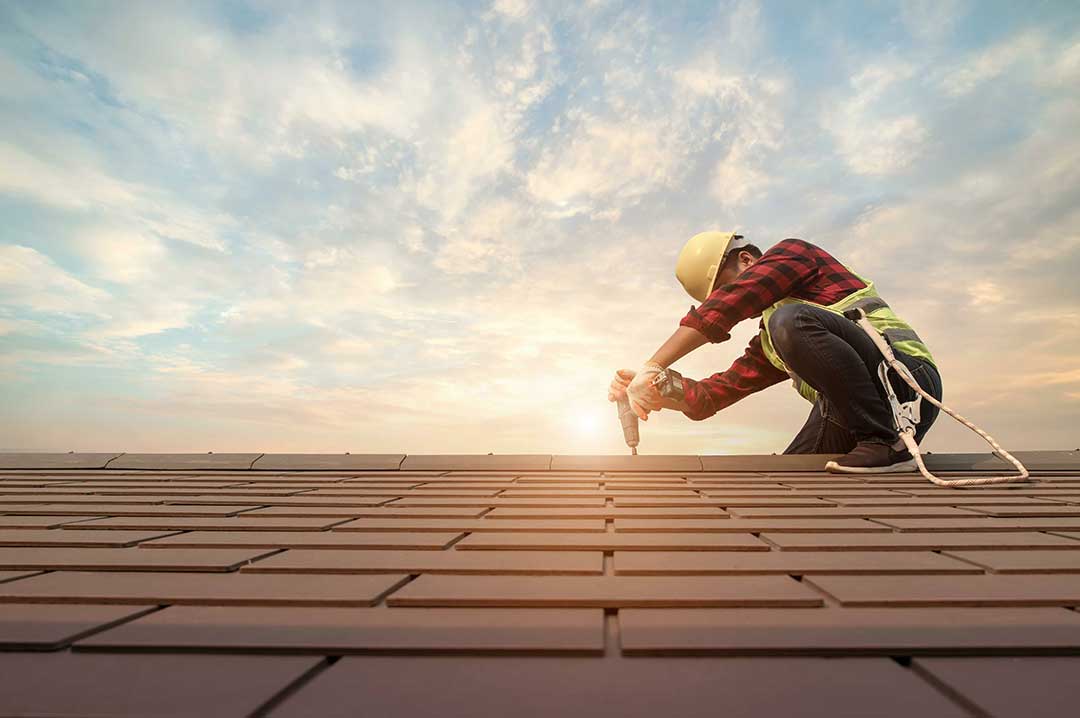
Not every replacement requires all components to be rebuilt. Sound decking and properly installed flashing may remain usable. The key difference is that removal makes it possible to evaluate these parts rather than assuming they are in good condition.
Which option lasts longer?
A full replacement generally offers a more reliable long-term result because the roof can be rebuilt over a known, inspected surface. Re-roofing may still perform well when the existing roof is in good condition and the installation is appropriate, but its service life depends partly on the condition of the older layer beneath it.
Neither option guarantees a specific lifespan. Actual performance depends on material quality, installation, roof slope, ventilation, drainage, exposure to wind and sun, and maintenance. Roofs in areas with heavy snow, ice, and moisture may experience more demanding conditions than roofs in milder climates.
Is re-roofing cheaper than roof replacement?
Re-roofing is usually less expensive initially because it avoids much of the tear-off and disposal work. It may also reduce labor time. The lower upfront cost, however, does not always make it the better value.
If the old roof has hidden damage, re-roofing may postpone necessary repairs rather than eliminate them. A second roofing layer can also make a future replacement more labor-intensive because multiple layers must eventually be removed.
The practical comparison is not simply price versus price. It is the cost of improving the existing roof’s surface compared with the cost of correcting the entire roofing system.
How can a homeowner tell which option is appropriate?
A visual inspection from the ground can identify warning signs, but it cannot reliably determine the condition of roof decking or concealed flashing. Useful information includes the roof’s age, number of existing layers, leak history, attic moisture, and any records of previous repairs.
A qualified roof inspection is especially important when:
- Water stains are appearing on ceilings or walls
- The roof sags or feels uneven
- Shingles are missing across broad areas
- There is visible daylight through the roof deck from the attic
- Insulation or framing appears damp or mold-affected
- A storm or falling branch has caused damage
- The existing roof already has two layers
Walking on a roof can cause damage and create a fall hazard, particularly when shingles are brittle, wet, icy, or steeply pitched. From a safety standpoint, roof access and structural evaluation should be handled with appropriate equipment and training.
The basic rule is straightforward: re-roofing is a surface renewal option for a sound existing roof, while full replacement is the better fit when the roof system itself is damaged, layered, aging unevenly, or difficult to inspect without removal.
