

Finding water inside the house can be unsettling, especially during a heavy rain, winter thaw, or spring storm. The first priority is not identifying the exact roof defect. It is protecting people, limiting interior damage, and documenting what happened before the leak spreads.
What should you do first when water is coming through the ceiling?
Move people, pets, furniture, electronics, and other valuables away from the affected area. Place a bucket or container under the drip, but do not stand beneath a visibly bulging ceiling.
If the ceiling is sagging, cracking, or holding a large amount of water, the drywall may be saturated and heavy. Keep clear of the area because it could collapse without much warning. A small hole made by a qualified person may sometimes release trapped water, but attempting this without knowing where electrical wiring, plumbing, or structural materials are located can create additional hazards.
If water is near light fixtures, outlets, switches, appliances, or electrical panels, do not touch the wet equipment. If it is safe to do so from a dry location, turn off power to the affected circuit. If reaching the electrical panel would require stepping through water, leave the area and seek emergency assistance.
How can you tell whether the leak is still active?
Observe the location during and after rainfall, but do not climb onto the roof during wet, icy, windy, or snowy conditions. Water can continue moving through roof materials, insulation, framing, and drywall after the original entry point has stopped receiving rain.
A leak may appear far from the actual roof opening. For example, water can travel along rafters or roof decking before dripping through a ceiling seam. A stain in an upstairs room does not always indicate that the damaged shingle, flashing, vent, or roof edge is directly above it.
Useful observations include:
- Whether the dripping increases during steady rain, wind-driven rain, or melting snow
- Whether water appears near an exterior wall, chimney, skylight, vent, or roof valley
- Whether the ceiling stain is new, expanding, or changing color
- Whether dampness is also visible in the attic, if the space can be reached safely
- Whether the leak stops after several hours of dry weather
Do not assume a leak is harmless because the dripping has stopped. Moisture may remain inside insulation or wood framing and can create staining, odors, or mold growth later.
Should you inspect the roof yourself?
A ground-level inspection is generally safer than getting on the roof. From the ground, look for visibly displaced shingles, missing roofing material, sagging roof edges, damaged gutters, fallen branches, or pieces of roofing in the yard.
Do not walk on a roof covered with ice, frost, wet leaves, moss, or snow. Roof surfaces can be slippery even when they appear manageable from the ground. Winter conditions in Ithaca can also create freeze-thaw cycles that loosen materials and allow ice to form along roof edges.
An attic inspection may help locate water, but only if the attic is safely accessible. Use a flashlight, avoid stepping between ceiling joists, and do not disturb wet insulation near electrical wiring. Look for damp wood, water trails, darkened insulation, daylight through the roof deck, or rust around fasteners. These clues can help establish where water is traveling, but they do not replace a complete roof assessment.
What temporary steps can limit further damage?
Temporary protection should focus on keeping water contained and allowing wet materials to dry.
Use containers to catch drips and place towels or plastic sheeting around the area to protect flooring and furniture. Empty containers before they overflow. If carpet, rugs, drywall, insulation, or wood surfaces are wet, begin drying them as soon as conditions are safe. Fans and dehumidifiers can help, but electrical equipment must remain away from standing water and wet outlets.
Photograph the damage before moving items whenever possible. Take wide photographs showing the room and close photographs showing stains, damaged materials, water in containers, and any visible exterior debris. Write down the date, approximate time, weather conditions, and what was happening when the leak appeared.
Avoid covering the affected area with paint. Painting over a stain before the material is fully dry can conceal continuing moisture and make later evaluation more difficult. Avoid applying caulk, roofing cement, or other materials to an unknown location from inside the house. A patch in the wrong place may trap moisture without stopping the leak.
What are common causes of roof leaks?
Roof leaks can result from several conditions, and the visible symptom often does not identify the cause. Common possibilities include:
- Missing, cracked, curled, or lifted shingles
- Damaged flashing around chimneys, walls, skylights, and roof penetrations
- Blocked or deteriorated drainage paths
- Ice buildup along roof edges
- Wind-damaged roofing materials
- Punctures from branches or other falling debris
- Deteriorated sealants around vents or metal joints
- Water entering at a roof-to-wall transition
- Condensation caused by inadequate attic ventilation or indoor humidity
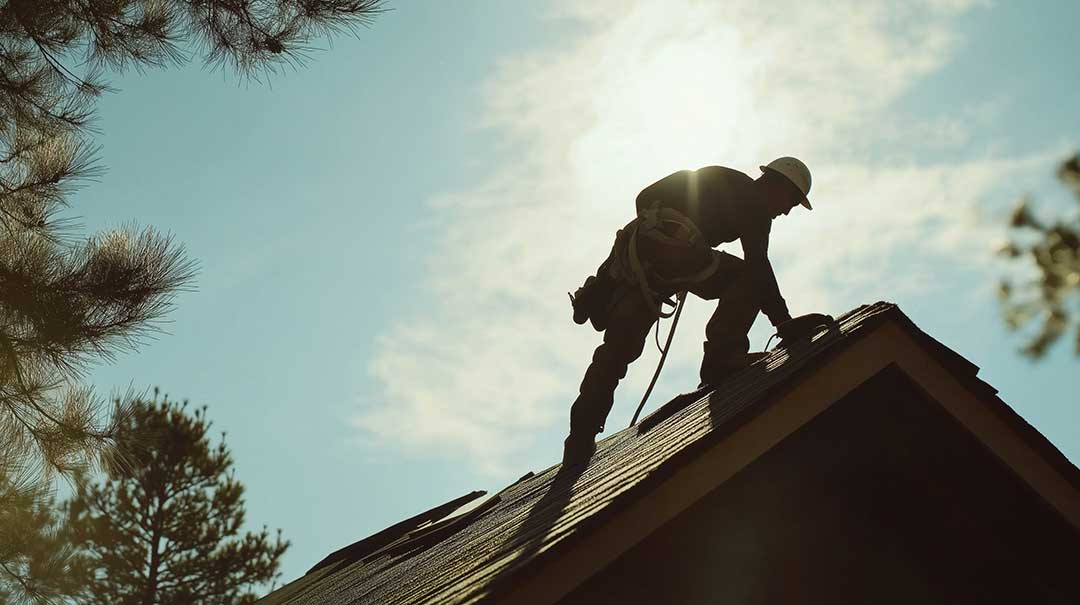
In older homes, additions, porches, dormers, and changes in roof shape can create several intersections where water may enter. A leak may also be connected to an upper roof surface and emerge below, making a simple ceiling stain difficult to diagnose.
Can a roof leak be caused by condensation instead of rain?
Yes. Not every ceiling stain is caused by a hole in the roof. Warm, moist indoor air can move into a cold attic and condense on roof decking, nails, or other surfaces. This is more likely when bathroom or kitchen exhaust is vented into the attic instead of outdoors, attic insulation is uneven, or ventilation is blocked.
Condensation often appears during cold weather and may resemble a roof leak. It can affect multiple areas, create damp insulation, or leave frost that later melts. A careful inspection should compare the timing of the moisture with rainfall, snowmelt, indoor humidity, and temperature changes.
Reducing excessive indoor humidity, using exhaust fans properly, and keeping attic ventilation pathways clear can help limit condensation. These steps do not correct an exterior roof leak, so the two conditions should not be confused.
When does a leak require urgent attention?
Urgent action is justified when water is entering rapidly, the ceiling is bulging, electrical components are wet, the roof has major storm damage, or the building has visible structural concerns. Immediate attention is also warranted if a tree or large branch has struck the roof or if wind has opened a large section of roofing.
Do not climb onto the roof to place a tarp during dangerous weather. Temporary coverings can also be hazardous if installed without secure attachment or if they conceal damaged decking. Safety takes priority over preventing every drop of water.
If the home is rented, notify the property owner or manager promptly and keep written records of the report. Homeowners should retain photographs, notes, receipts for emergency drying supplies, and any other documentation related to the incident.
How long can wet materials remain before they become a problem?
Drying should begin as soon as practical. Porous materials such as drywall, insulation, carpet padding, and unfinished wood can absorb water quickly. The longer they remain damp, the greater the chance of staining, odor, deterioration, and microbial growth.
A small, clean-water leak that is dried quickly may cause limited damage. A recurring leak, contaminated water, or moisture hidden inside walls and ceilings is more complicated. Do not assume that a dry surface means the underlying materials are dry. Persistent odors, soft drywall, peeling paint, swollen trim, or new discoloration indicate that moisture may still be present.
For residents dealing with a roof leak during Ithaca’s changing seasons, the most useful approach is prompt containment, cautious observation, thorough documentation, and attention to both the roof surface and the building’s interior moisture conditions.
