

Hail damage is not always dramatic. A roof can look intact from the ground while individual shingles, metal components, vents, or gutters have been weakened by ice impacts. For residents in Ithaca, NY, knowing what to look for after a severe thunderstorm can help identify problems before water enters the attic or living space.
What does hail damage look like on a roof?
Hail damage commonly appears as small dents, bruised areas, cracks, or missing surface material. The most obvious signs may be visible on asphalt shingles, but damage can also affect flashing, vents, skylights, gutters, siding, and window screens.
From the ground, look for:
- Shingles that appear darker in isolated spots
- Irregular patches where the protective granules are missing
- Cracked, split, or displaced shingles
- Fresh dents on metal vents, flashing, or gutters
- Loose debris in the yard that may have come from the roof
- Downspouts or gutter sections that appear bent or dented
Hailstones do not need to be large to cause trouble. Wind-driven ice can strike roofing materials at an angle, and repeated impacts may weaken a shingle without creating a hole that is immediately visible.
How can hail damage be checked safely from the ground?
A ground-level inspection is the safest first step. Use binoculars if available, and examine roof slopes that face the direction of the storm. Damage may be easier to notice on the side exposed to wind and hail.
Also inspect nearby surfaces for clues. Hail often leaves similar marks on:
- Decks and porch surfaces
- Outdoor furniture
- Air-conditioning equipment
- Mailboxes
- Fences
- Painted wood or vinyl siding
- Window screens
- Vehicles parked outside
These marks do not prove that the roof is damaged, but they can indicate that the storm produced hail with enough force to affect exterior materials.
Avoid climbing onto a wet or steep roof. Roofing surfaces can become slippery after rain, and hidden damage may make certain areas less stable. A ladder should not be used unless it can be positioned securely and safely.
What should asphalt shingles look like after hail?
Asphalt shingles are especially vulnerable because their upper surface contains mineral granules that protect the underlying material from sunlight and weather. Hail impact may dislodge these granules or compress the shingle layers.
Common signs include:
- Small, circular areas with missing granules
- Soft or bruised spots that feel different from surrounding areas
- Cracks radiating from an impact point
- Exposed dark or fiberglass-colored material
- Shingles that are fractured but still lying flat
- Raised edges or sections that have been loosened
A damaged spot may not resemble a perfect circle. Hailstones can strike at different angles, and the impact pattern may be irregular. A shingle may also show a shallow depression rather than a clean puncture.
Granules in gutters are another possible clue, particularly when they appear in unusual amounts shortly after a storm. However, some granule loss is normal as shingles age. The timing, quantity, and condition of the roof should all be considered together.
Can hail damage occur on newer or older roofs?
Yes. Newer roofing is not automatically immune to hail damage, and an older roof is not automatically damaged after every storm.
The outcome depends on several factors:
- Hailstone size and density
- Wind speed and direction
- The angle of the roof
- Roofing material and installation quality
- Existing wear from sun, snow, ice, and temperature changes
- Whether the roof was already brittle or deteriorated
Roofs in Ithaca experience repeated seasonal stress from freeze-thaw cycles, winter precipitation, summer heat, and moisture. Those conditions can make some roofing materials more vulnerable to impact, especially when a storm follows a period of aging or weather exposure.
A roof may also have pre-existing wear that resembles hail damage. Discoloration, surface granule loss, curled shingles, and cracking can result from age rather than a single storm.
What other parts of the home should be inspected?
Hail damage is not limited to the main roof surface. Check roof accessories and exterior components for dents, cracks, or displacement.
Important areas include:
- Ridge caps and hip caps
- Chimney flashing
- Valleys and areas around roof penetrations
- Plumbing vent collars
- Attic vents and turbine vents
- Skylight frames and covers
- Gutters and downspouts
- Siding and trim
- Window screens and exterior shades
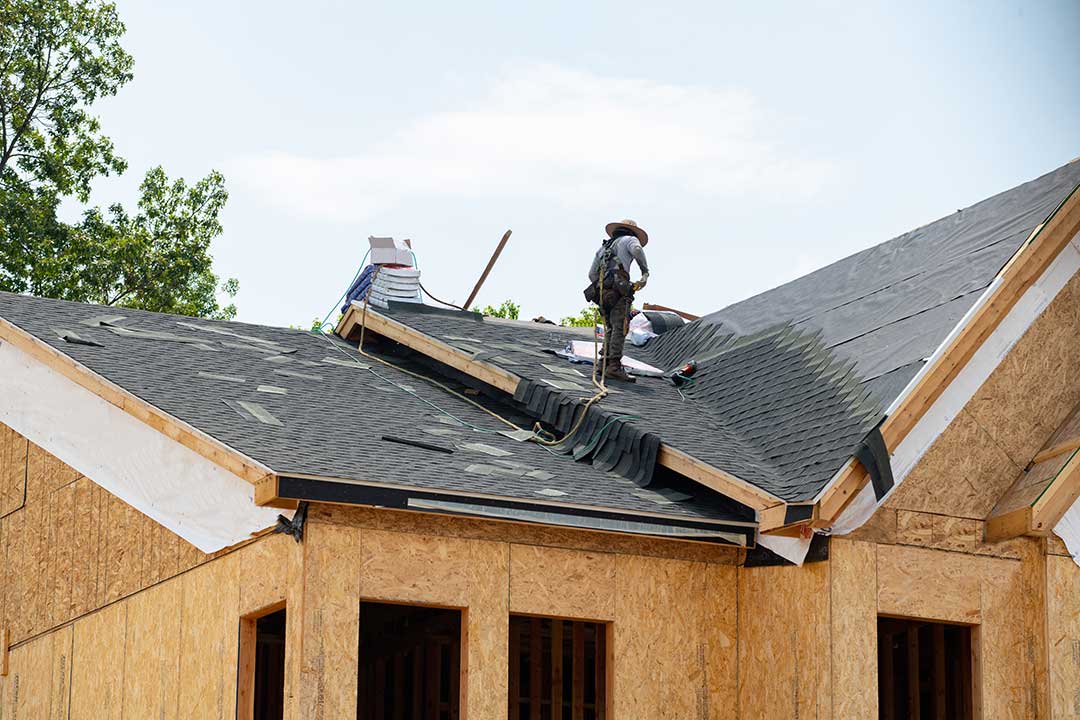
Flashing deserves particular attention because it directs water away from seams, walls, chimneys, and roof openings. A small dent may not cause an immediate leak, but a bent or loosened section can allow water to enter during later rainfall.
After a storm, check the attic if it can be reached safely. Look for damp insulation, water stains, darkened wood, peeling paint, or daylight visible through the roof deck. Keep in mind that water can travel along rafters before appearing inside the home, so the interior stain may not be directly below the original exterior damage.
What does hail damage look like inside a house?
Interior signs often appear after the storm, but not always immediately. Watch for:
- New ceiling stains
- Damp attic insulation
- Drips around chimneys, vents, or skylights
- Bubbling or peeling paint
- Musty odors in the attic
- Moisture around upper-floor walls
- Water marks near roof edges
A leak that begins during heavy rain may stop once the weather clears. That does not mean the roof has dried or the problem has resolved. Moisture trapped in insulation or wood can contribute to staining, deterioration, and mold growth if it remains unnoticed.
If water is near electrical fixtures, wiring, or a ceiling that is bulging, avoid touching the affected area and treat it as an urgent safety issue.
How can hail damage be distinguished from ordinary roof aging?
Hail damage is usually localized and impact-related, while ordinary aging tends to affect broader areas more gradually. For example, widespread curling, uniform fading, brittle edges, and general granule loss are more consistent with age or long-term weather exposure.
Impact damage may appear as:
- Isolated bruises surrounded by otherwise intact shingles
- Freshly exposed areas within the shingle surface
- Cracks that begin at a distinct impact point
- Similar dents across roof accessories and exterior surfaces
- Damage concentrated on one or two storm-facing roof slopes
The distinction is not always obvious. Roofing materials can have several types of damage at once, particularly after years of snow, ice, wind, and temperature changes. Photographs taken from the ground shortly after the storm can help document visible conditions and provide a useful record for comparison later.
What should residents do after finding possible damage?
First, document what can be observed safely. Take photographs of the roof from the ground, damaged exterior surfaces, gutters, attic areas, and any interior staining. Record the approximate date of the storm and whether hail, high wind, or heavy rain was observed.
Next, protect the interior from additional water if necessary. Place containers under active drips, move belongings away from wet areas, and use temporary measures only when they can be applied without climbing onto the roof or creating another hazard.
Do not remove damaged shingles or sweep granules from the roof before the condition has been documented. Avoid making permanent repairs based only on a ground-level view, since hidden damage may be missed.
For safety, legal compliance, or insurance documentation, a qualified roofing inspector may be needed when the roof is steep, difficult to access, visibly unstable, or showing signs of water intrusion. In the meantime, prompt observation and careful documentation can help prevent a small storm-related defect from becoming a larger moisture problem.
