
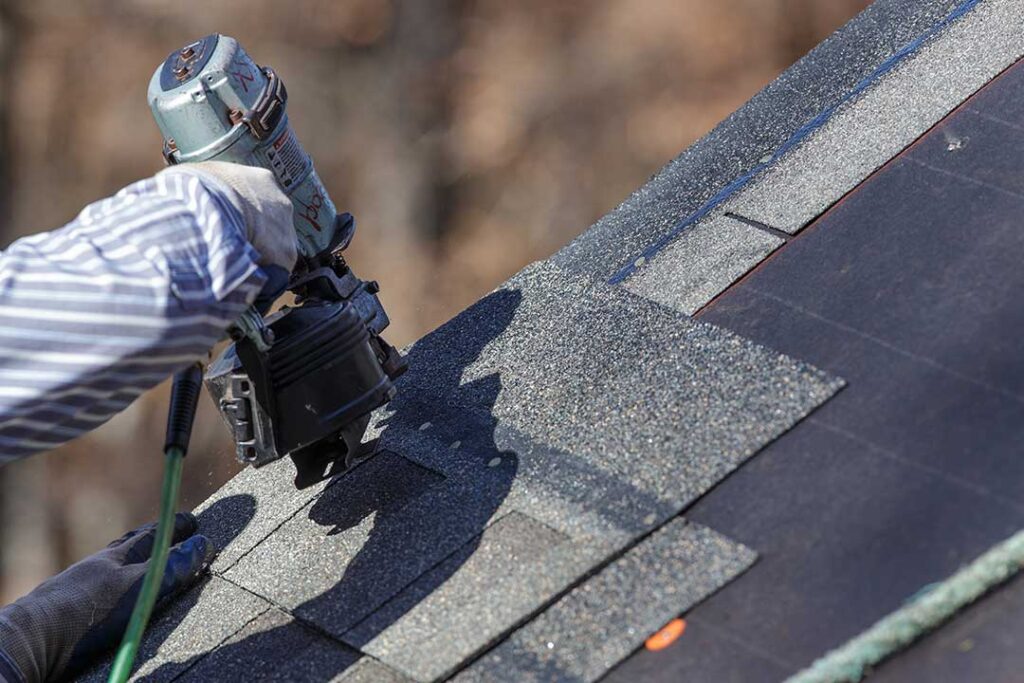
Roof problems do not always wait for convenient timing. A leak may appear during an infectious-disease surge, severe winter weather, a power outage, or another community emergency. For households in Ithaca, NY, the safest approach is to separate urgent damage from repairs that can reasonably wait, then plan work around health, weather, and access conditions.
How can a homeowner tell whether a roof problem is an emergency?
A roof problem is urgent when delaying action could create immediate danger or cause substantial additional damage. Active water entering the living space, a partial roof collapse, large areas of missing roofing, or structural movement should be treated more seriously than a small stain that is no longer growing.
Potential emergency signs include:
- Water near electrical fixtures, outlets, or wiring
- Sagging ceilings or visible roof framing movement
- A tree or large branch resting on the roof
- Widespread damage after wind, ice, or heavy snow
- Water spreading quickly through ceilings or walls
- Interior flooding that threatens flooring, insulation, or essential belongings
People should leave areas with sagging ceilings or unstable materials. Do not stand beneath a bulging ceiling or attempt to cut into it. If electrical equipment may be wet, avoid touching it and use the main shutoff only if doing so is safe.
A small drip, isolated shingle loss, or minor flashing issue may not require immediate full repair, but it still deserves attention before the next period of rain, freezing temperatures, or snow.
What should be done first during a health-related crisis?
Start with remote assessment whenever practical. Clear photographs, a short video of the leak, and notes about when the problem began can help determine whether an in-person visit is necessary. Information should include the roof area involved, the weather that preceded the damage, whether water is still entering, and whether the problem is near electrical equipment.
If someone in the household is sick, immunocompromised, or recently exposed to a respiratory illness, that information should be shared before anyone enters the property. A repair may be possible without indoor access, especially when the visible problem is on an exterior roof surface.
For necessary in-person work:
- Keep communication by phone or electronic message when possible.
- Ask workers to remain outdoors or in a limited work area.
- Keep household members away from ladders, tools, debris, and active work zones.
- Improve ventilation if indoor entry is unavoidable.
- Avoid face-to-face conversations in small rooms.
- Use masks according to current public-health guidance and the health needs of the household.
- Reschedule nonurgent indoor work if someone is actively ill.
A short discussion about access, ventilation, protective equipment, and cleanup can prevent confusion later.
Can roof repairs be postponed during COVID-19 or another emergency?
Some repairs can wait, but postponement is not automatically safe. The decision depends on the rate of damage, the forecast, the roof’s condition, and the consequences of additional moisture.
A repair may be reasonably delayed when:
- The leak has stopped and the affected area is dry
- Damage is cosmetic rather than structural
- Temporary protection is secure
- No electrical, fire, or collapse hazard is present
- Weather conditions are stable enough to monitor the area
A delay becomes riskier when water is entering insulation, ceilings, or wall cavities. In the cold climate around Ithaca, repeated freeze-thaw cycles can enlarge cracks, loosen materials, and allow moisture to move deeper into the roof assembly. Snow and ice can also conceal damage until melting begins.
Temporary measures should not be treated as permanent repairs. A tarp, patch, or interior container may limit immediate damage, but the underlying roof problem can continue unnoticed.
How can a roof be protected temporarily?
Temporary protection should focus on stopping water and preventing additional hazards without creating a new risk. If safe from the ground, inspect the exterior visually. Do not climb onto a wet, icy, snow-covered, or steep roof.
Inside the building:
- Place containers beneath active drips.
- Move furniture, electronics, and important papers away from the affected area.
- Photograph damage before moving belongings or cleaning.
- Mark the location of stains and note whether they are expanding.
- Remove standing water only when electrical hazards are absent.
- Use fans or dehumidification when safe and practical.
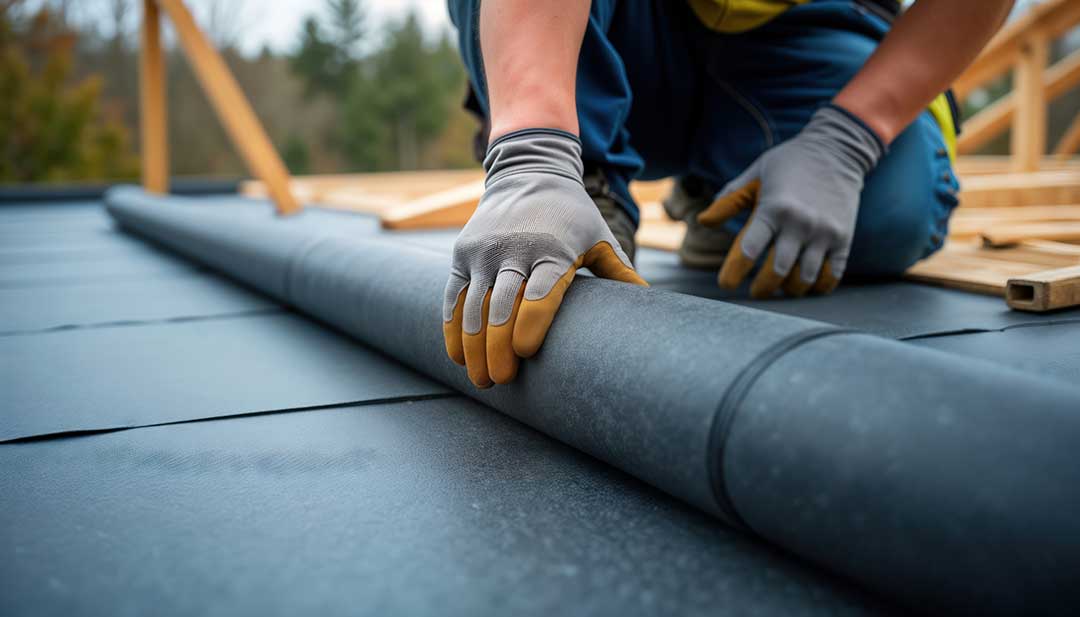
From the ground, look for missing shingles, torn membranes, displaced metal, fallen branches, or damaged gutters. Avoid pulling materials from the roof. A loose branch, damaged chimney component, or unstable sheet of roofing can fall without warning.
If a temporary cover is necessary, it must be secured without placing people on an unsafe surface. Improperly installed tarps can tear in wind, trap moisture, or pull additional roofing materials loose.
What special concerns apply to Ithaca homes?
Seasonal weather can complicate both diagnosis and repair. Snow, ice dams, wind, heavy rain, and rapid temperature changes may all contribute to roof leaks. Water may enter at one location and appear indoors several feet away, making the visible stain an unreliable guide to the actual opening.
Older homes may also have layered roofing, enclosed attics, repaired chimneys, or additions with different roof slopes. These features can make it difficult to identify whether the source is a shingle, flashing joint, valley, vent, gutter, or ice-related backup.
Roof work may be unsafe during winter conditions even when the leak appears serious. Ice-covered surfaces, hidden weak spots, and falling snow or debris create hazards. In some cases, interior water control and temporary exterior protection are safer than attempting a complete repair during a storm or freeze.
How should costs, insurance, and records be handled?
Document the condition as soon as it is safe. Take wide and close photographs, record dates, save receipts for emergency materials, and keep notes about weather and communications. Do not discard damaged roofing materials before documentation is complete if an insurance review may be involved.
Insurance policies differ. Some cover sudden damage from wind, falling objects, or certain weather events, while maintenance issues, wear, and long-term seepage may be excluded. A policy may also require prompt action to prevent additional damage. Reviewing the specific policy and reporting a potentially covered loss promptly can reduce uncertainty.
A crisis may create shortages of materials, delayed inspections, or limited access to buildings. Written records help distinguish the original damage from later deterioration and provide a clearer timeline.
What safety mistakes should be avoided?
The most common mistake is treating a roof as safe because the visible damage looks small. Water can travel through insulation and framing, while a weakened roof surface may fail under a person’s weight.
Avoid:
- Climbing onto icy, wet, or snow-covered roofing
- Using ladders near power lines or unstable ground
- Walking beneath damaged overhangs
- Applying sealant over wet surfaces without understanding the source
- Removing snow or ice from a roof without proper equipment
- Ignoring mold odors, damp insulation, or expanding ceiling stains
- Allowing children or pets near debris and work areas
Professional assistance is justified when the problem involves structural instability, electrical hazards, fire risk, significant water intrusion, hazardous materials, or work at a height that cannot be completed safely. During any crisis, safety and disease-control measures should be planned together rather than treated as separate concerns.
How can households prepare before the next emergency?
A simple roof-response plan can reduce pressure during a crisis. Keep a flashlight, plastic sheeting, containers, towels, gloves, and basic documentation supplies available. Know where the electrical shutoff is located, identify vulnerable ceilings and attic areas, and check that gutters and downspouts are not blocked before severe weather.
After major storms or extended snow, inspect ceilings and attic spaces from a safe position for dampness, staining, drips, or unusual odors. Early detection often allows a controlled temporary response instead of an emergency interior cleanup.
The goal is not to eliminate every roof problem during difficult conditions. It is to control water, protect people, document damage, and postpone only those repairs that can safely wait.
